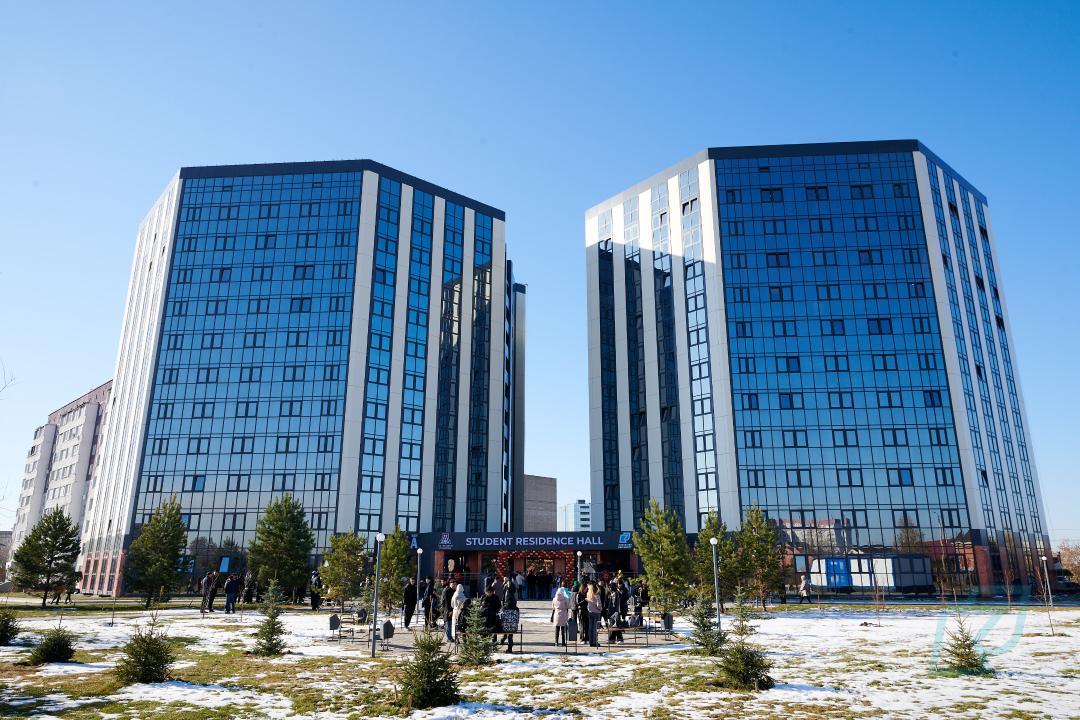
The hostel problem is being systematically solved: results and new initiatives
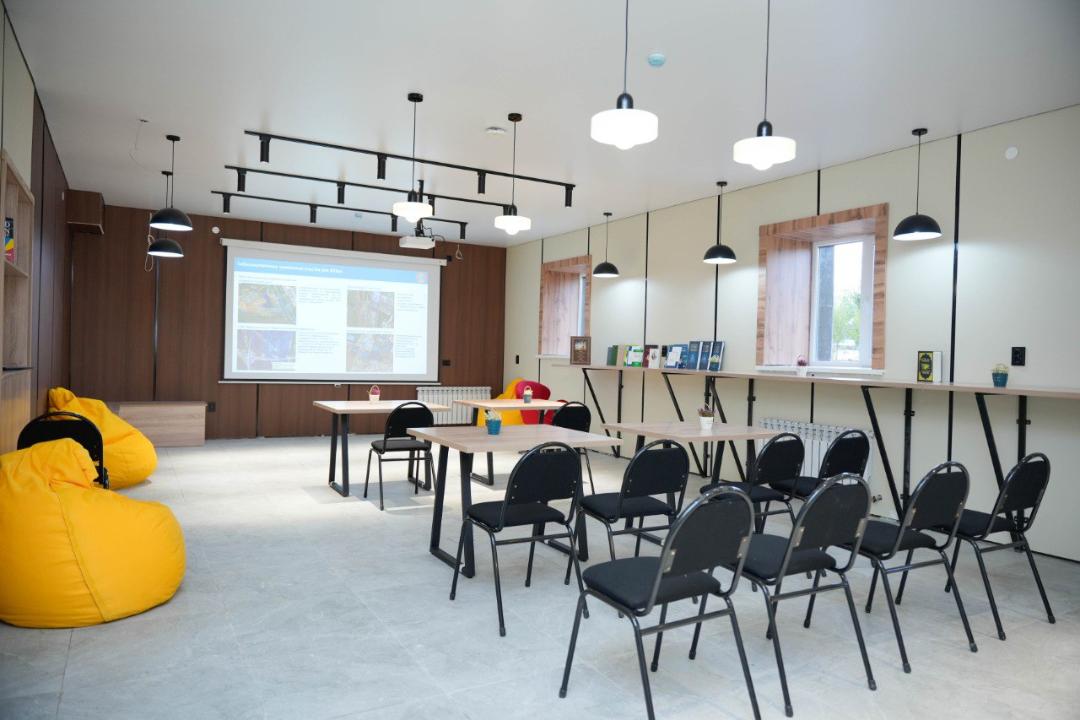
Providing students with comfortable and safe accommodation is one of the most important priorities of higher education in our country. Work in this direction is approved by legislative and strategic documents at the state level.
In order to provide students with accommodation, the Ministry carried out work in several directions. Every year, the department conducts an analysis of the shortage of hostels, studies the contingent of students by region, and conducts an analysis of social conditions.
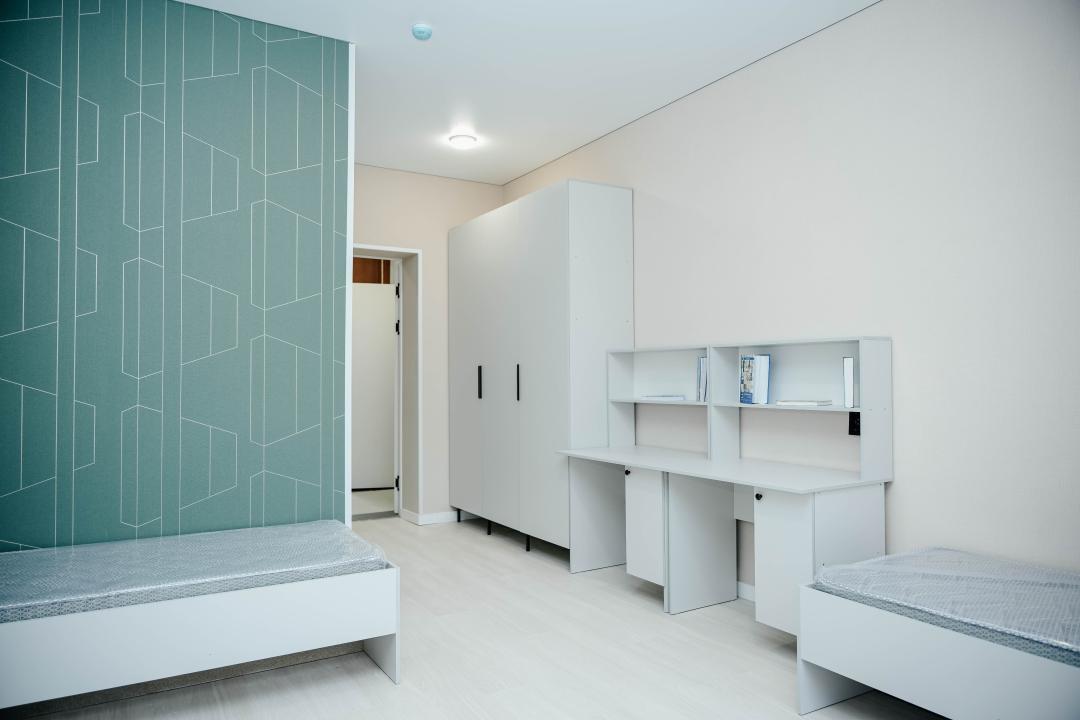
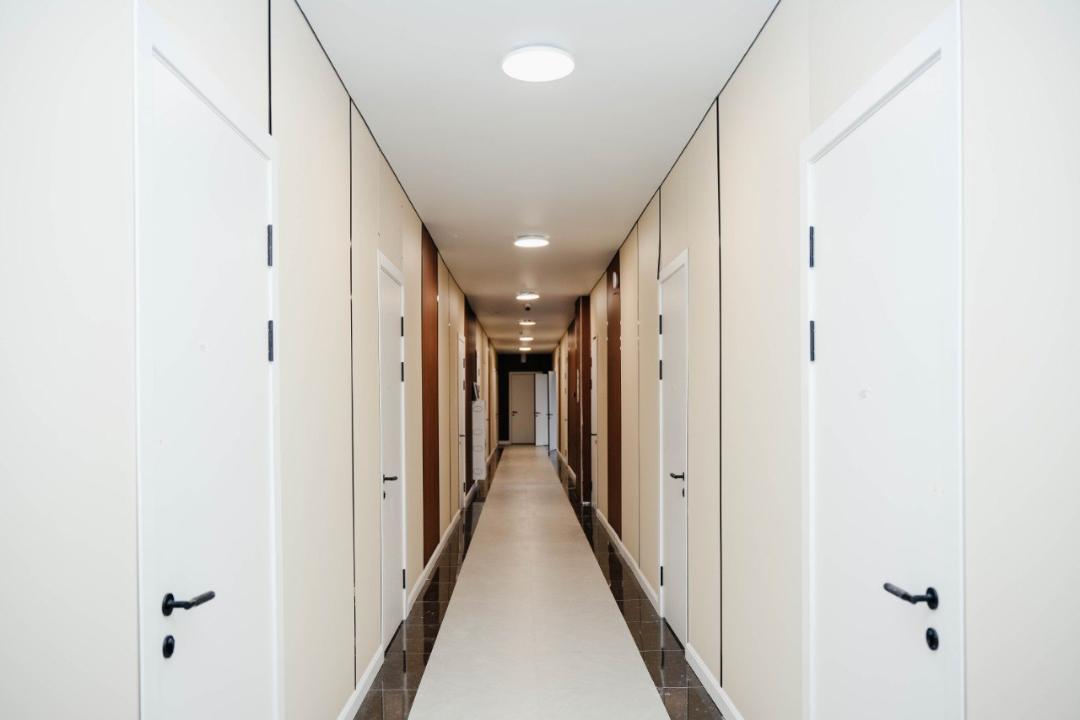
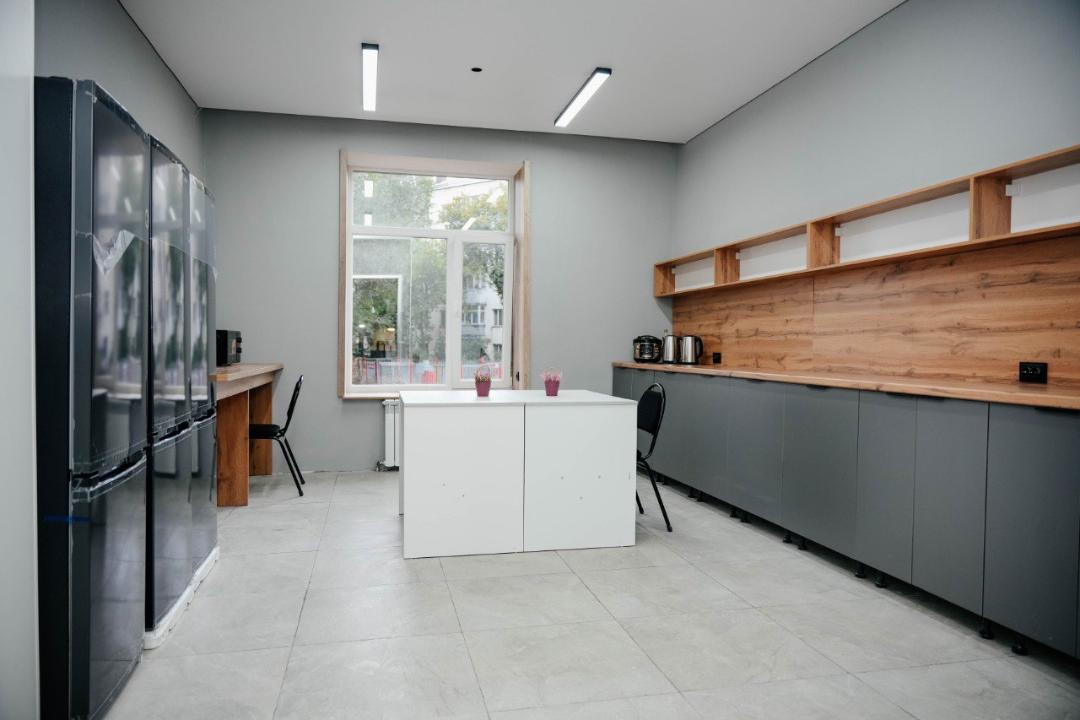
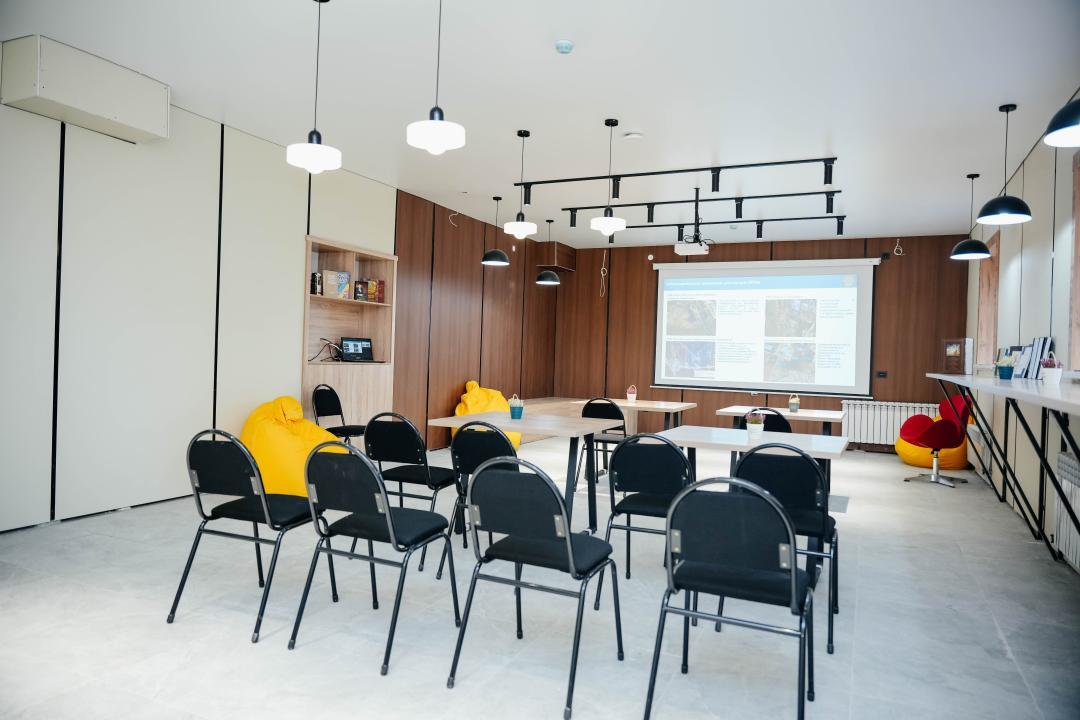
In 2018-2025, 281 dormitories for more than 72 thousand places were commissioned. Among them, 182 dormitories with 51,323 beds for students of higher education institutions, 99 dormitories with 20,802 beds for college students were opened.
Thus, systematic measures implemented since 2018 made it possible to significantly increase the number of beds and significantly reduce the shortage of dormitory places for students of higher education institutions and colleges.
As a result, the shortage of a few years ago has been reduced to 5,176 places today. Currently, the shortage of dormitory places is mainly observed only in the city of Almaty, while the shortage has been completely eliminated in Astana and other regions.
Special attention is paid to the safety and comfort of students. If necessary, higher education institutions rent hostels and ensure that only students stay in them. Safety requirements in these facilities are regulated by special regulatory documents.
In addition, situational and crisis centers were launched in the 2025-2026 academic year. A situational center providing information and advice to students about dormitories was opened on the basis of the Kazakh National Girls' Pedagogical University, while a crisis center providing temporary housing in case of force majeure was opened at the "ALT" university named after Tynyshpaev. To date, 2,500 people have received advice from the situation center, and 10 people have used the services of the crisis center.
In each region, ombudsmen responsible for the urgent solution of students' problems are appointed, and the operational staff works with the support of the Ministry. Also, direct communication channels have been launched on the official websites of higher educational institutions that accept applications and proposals.
These works will continue this academic year, and new initiatives will be implemented in the direction of providing students with affordable and safe accommodation.