Three new partners of Shakarim University: from artificial intelligence to cognitive sciences
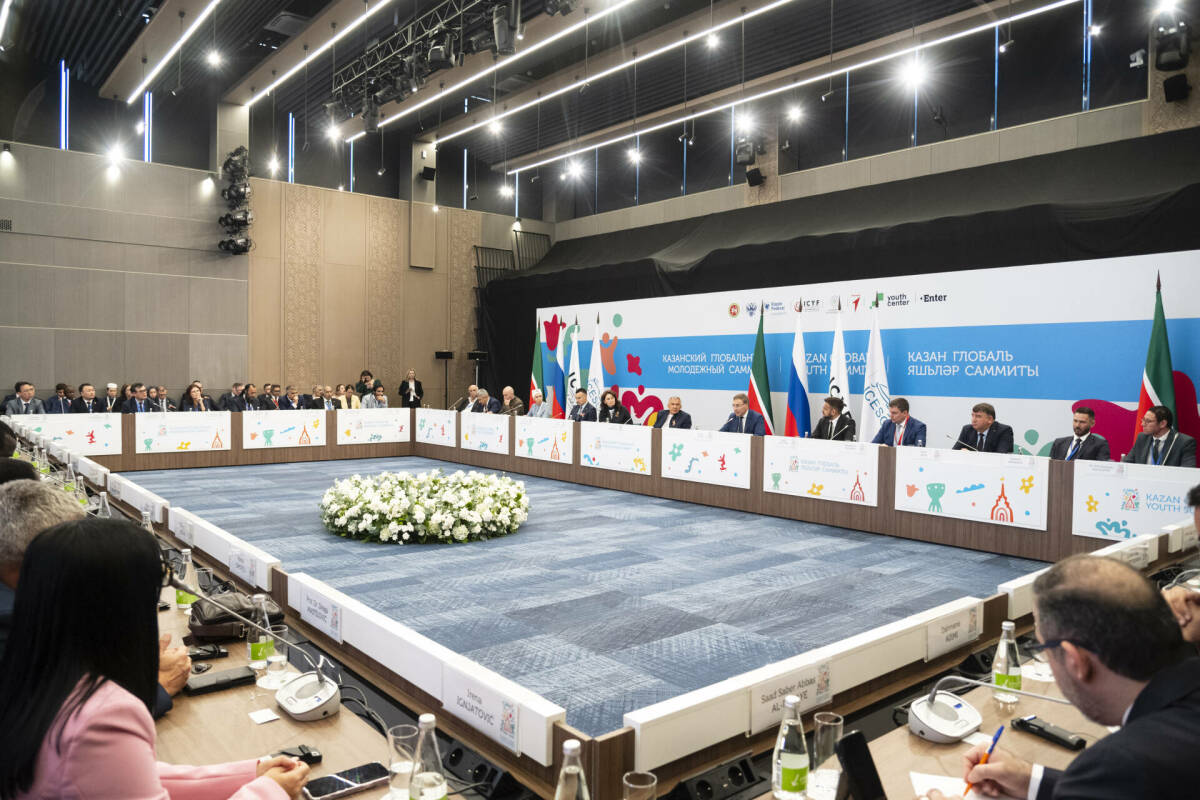
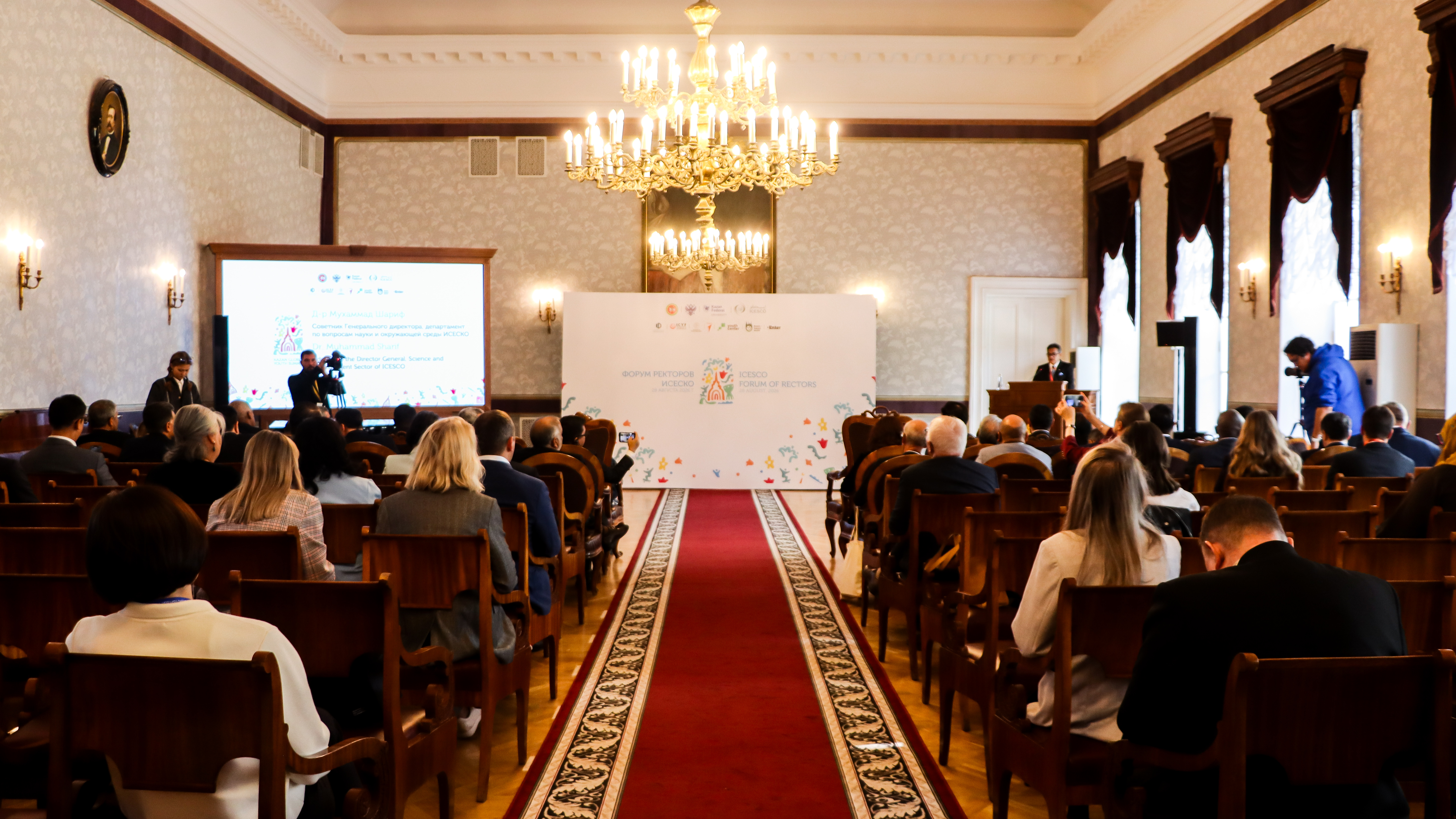
Shakarim University has signed three new agreements on international cooperation within the framework of the V Kazan Global Youth Summit and the International Forum of Rectors ICESCO-FIWU.
The University of Lahore and Bahria University from Pakistan, as well as the Moscow Institute of Psychoanalysis, became partners of the Kazakh university.
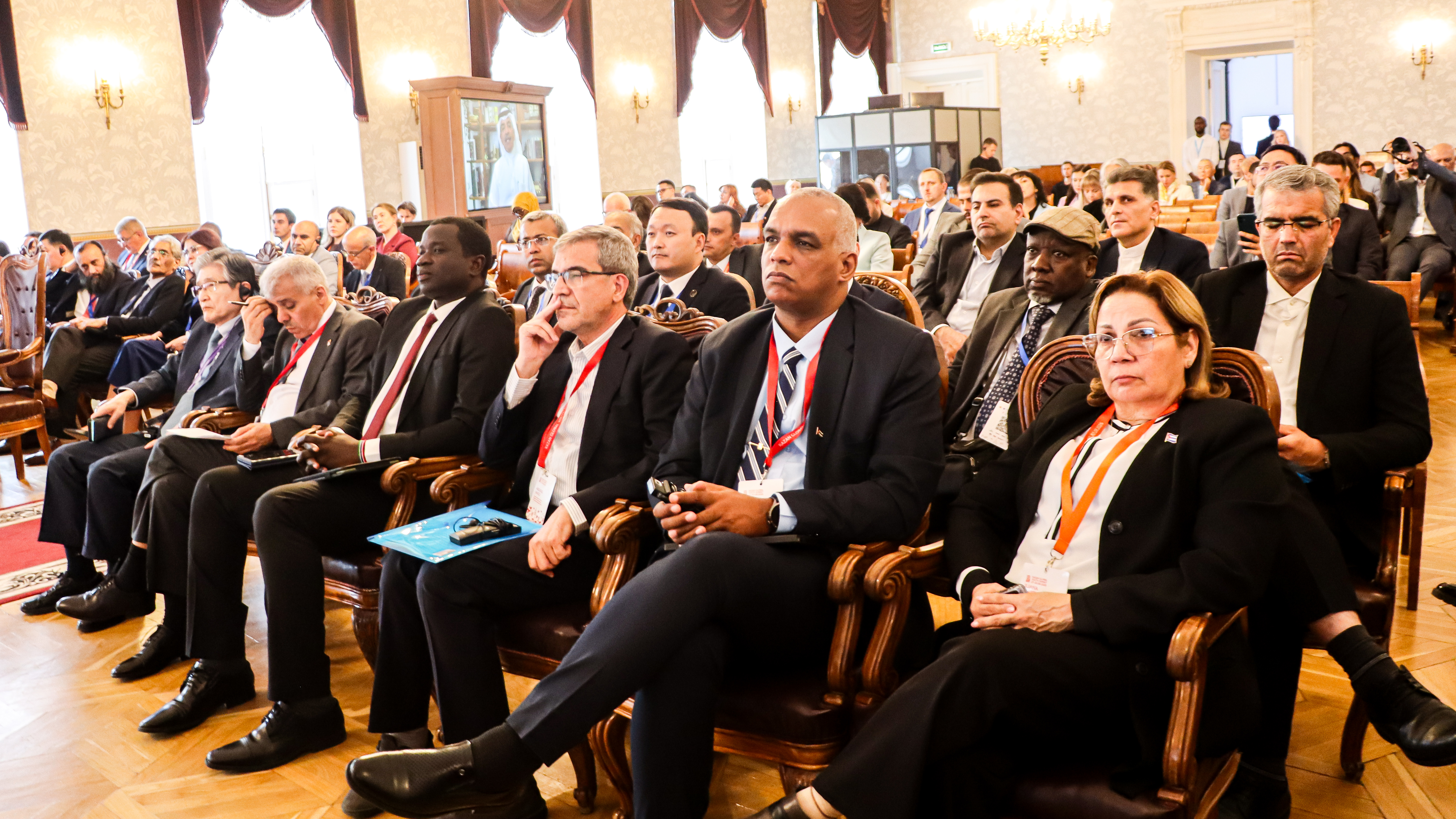
The signing took place within the framework of an international program that brought together representatives of universities, government agencies, scientific and expert communities from dozens of countries. According to the organizers, the central theme of the Forum was the development of human capital in the context of global changes, and separate sessions were devoted to international university networks, new models of higher education, innovations and training of specialists of the future.
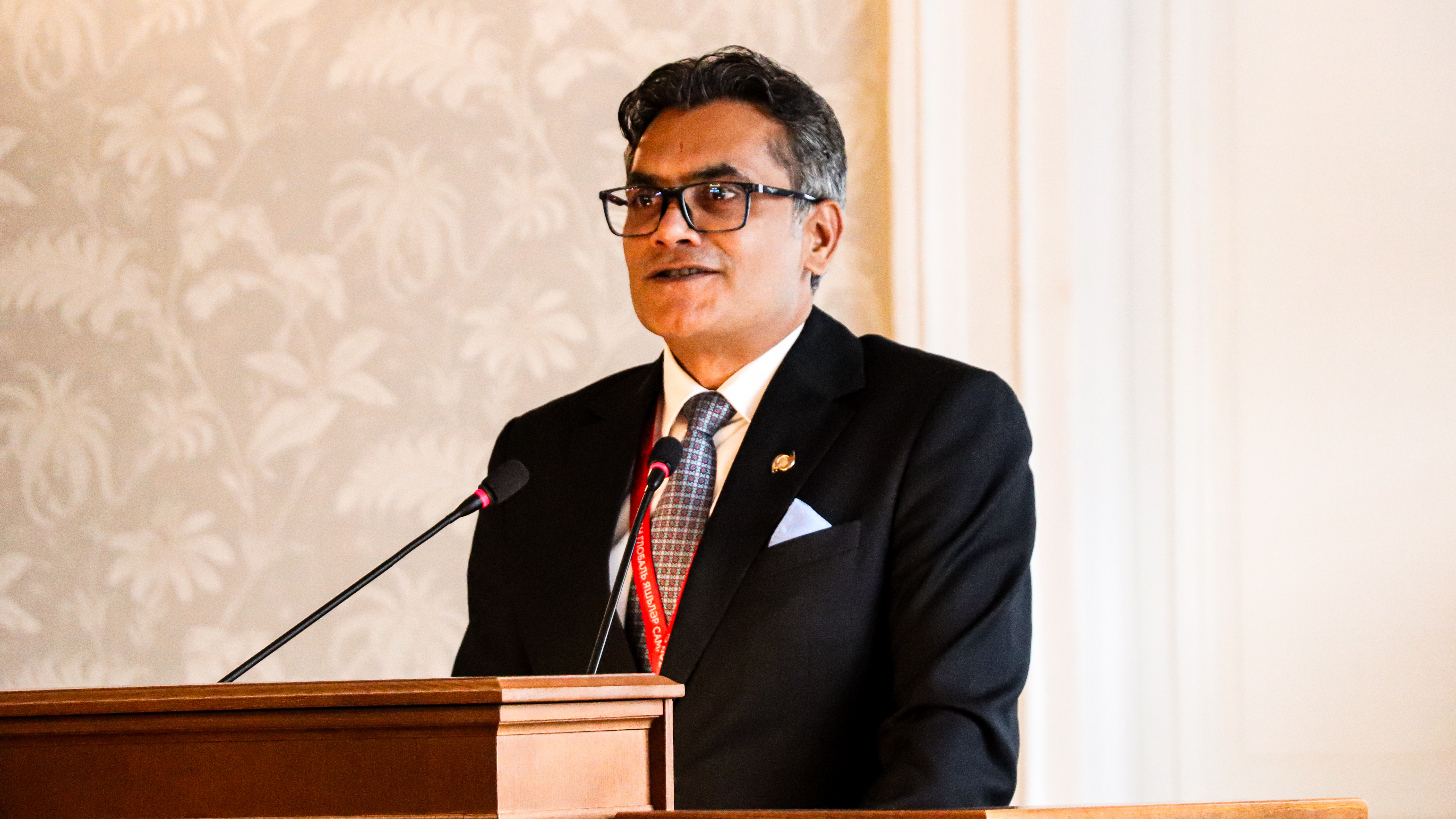
The international agenda of the forum was presented by the heads and representatives of universities of Kazakhstan, Pakistan, Uzbekistan, Morocco, Libya, Russia and other countries, as well as ministers and heads of international organizations. Among the participants were ICESCO Director General Salim Al-Malik, COMSTECH Coordinator Muhammad Iqbal Chowdhary, representatives of the education system of Palestine, Gambia, Cuba and other countries.
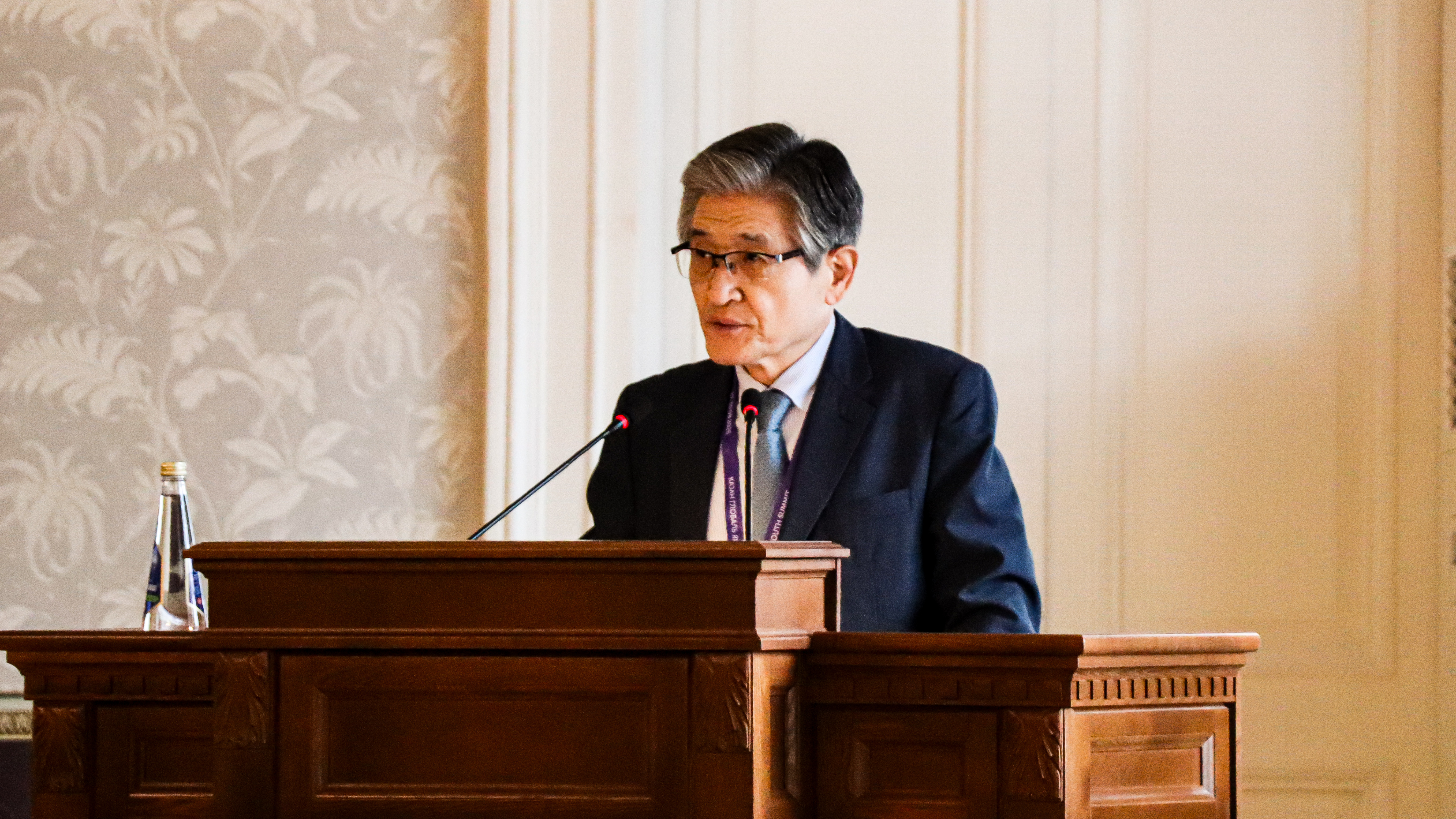
One of the well-known scientists who participated in the forum was the South Korean expert on climate and sustainable development Rae Kwon Chung, who worked for many years in the structures of the Intergovernmental Panel on Climate Change - IPCC. It was the IPCC, together with former US Vice President Al Gore, that was awarded the 2007 Nobel Peace Prize for their work in disseminating knowledge about anthropogenic climate change and shaping measures to counter it.
For Shakarim University, participation in the forum was primarily an opportunity to move from international dialogue to concrete agreements.
Pakistan: Two new university partners
The agreement with The University of Lahore expands Shakarim University's cooperation with universities in South Asia.
The University of Lahore develops a wide international network of academic and scientific connections. Among the foreign organizations with which the university indicates cooperation, universities and research structures from Europe, Asia, North America and Africa are represented. In August 2026, the university also held an international dialogue on cross-border scientific research and the formation of research networks.
The Chairman of the Board of Governors of The University of Lahore, Professor Awais Rauf, was among the speakers of the session of the Forum "Voice of Youth", dedicated to education in the era of global change and the development of human capital.
The second partner of Shakarim University was Bahria University, a public university in Pakistan, established in 2000 and having campuses in several cities of the country.
Of particular interest to Shakarim University are its competencies in the field of artificial intelligence, computer science, engineering, psychology and other areas.
Bahria University has a Centre of Excellence in Artificial Intelligence, working in the fields of machine and deep learning, computer vision, natural language processing, robotics, augmented and virtual reality. Among the applied areas of the center are agriculture and food, education, energy and healthcare.
This creates specific points of contact with the scientific and educational agenda of Shakarim University, including in the field of AI, digital solutions and the application of technologies in the agricultural sector.
The Rector of Bahria University, Vice Admiral Abid Hamid, also participated in the Rectors' Forum and spoke at a session on the role of university associations and global partnerships in the development of higher education.
For the Kazakh university, cooperation with two universities in Pakistan opens up an additional area of international work with South Asia - one of the largest and fastest growing educational regions in the world.
A new direction - psychology and cognitive sciences
Shakarim University has signed a third agreement with the Moscow Institute of Psychoanalysis.
In this case, the parties have already identified a much more specific possible agenda for further work.
The proposals prepared by Shakarim University provide for joint educational programs in the field of psychology, psychological and pedagogical education, counseling and organizational psychology, cognitive sciences, neuropsychology, special and inclusive education.
A joint master's program in psychology with the participation of teachers from the two universities and academic mobility of students is considered as one of the possible pilot projects.
Another proposal is the creation of a joint research laboratory Cognitive Science & Educational Psychology Lab on the basis of Shakarim University.
Her potential research program encompasses cognitive psychology and neuroscience, learning psychology, the intersection of artificial intelligence and psychology, digital behavior and the influence of social media, student psychological well-being, modern diagnostic methods, inclusive education, and cross-cultural psychology.
A particularly relevant study for Kazakhstan could focus on a comparative analysis of how digital environments, social media, and artificial intelligence impact the learning, cognitive development, and behavior of young people.
The Moscow Institute of Psychoanalysis also provides training for scientific personnel, including in the field of "Cognitive Science" and in the area of interdisciplinary research on the brain.
The parties are also exploring the possibility of academic exchanges involving faculty, students, graduate students, and young researchers, as well as scientific internships and the development of short, certificate-based programs. Potential topics include educational psychology, neuropsychology, human resource management, inclusive education, and the application of AI and digital technologies in psychology.
From memoranda to concrete projects
For Shakarim University, it is crucial that the expansion of international collaboration does not simply result in an increase in the number of agreements for the sake of statistics.
Therefore, the next step in working with new partners should focus on identifying specific projects: educational programs, academic mobility, joint research, laboratories, and the exchange of scientists and teachers.
This approach aligns with the central theme of the recent Rectors' Forum. Participants discussed how universities should respond to technological, economic, and social changes, and how international university networks can serve as a real mechanism for scientific and educational collaboration. According to ICESCO, nine memoranda of understanding were signed during the forum.
For Shakarim University, the forum's outcomes are practically relevant.
Following collaborations with universities in China, Europe, and Australia, the university is expanding its partnerships to include South Asia while also strengthening its research in new areas.
In August, another significant partnership was established with Murdoch University (Australia). On August 17th, the Ministry of Science and Higher Education of the Republic of Kazakhstan, along with Minister Nurbek Saýasat, signed a Memorandum of Cooperation with the university. The following day, in Semey, together with Akim of the Abai region, Bekir Uali, discussions took place regarding joint educational programs and dual degree programs, scientific research, academic mobility, and the possibility of establishing a Murdoch University branch at the Shakarim University campus. This partnership is particularly important for the agricultural development of the region, as Murdoch University's strong expertise in agriculture, veterinary medicine, food security, and food technology directly aligns with the needs of the Abai region's economy.
Now, we are adding new partners to our Australian program. The University of Lahore offers opportunities for broader academic and research collaboration with Pakistan. Bahria University is of particular interest due to its focus on artificial intelligence, engineering, and digital technologies. Collaboration with the Moscow Institute of Psychoanalysis could form the basis of a separate area of study in psychology, cognitive sciences, and research into the impact of the digital environment on humans.
The three signed agreements at Shakarim University are being viewed as the beginning of the next phase of their work.
Now, every agreement must have a specific follow-up – whether it's a joint program, a research project, an academic exchange, a laboratory, or a project whose results can be seen by students, scientists, and the local community.
Ultimately, the value of international partnerships for a modern university is measured in this way.