Cooperation between the university and the botanical garden continues
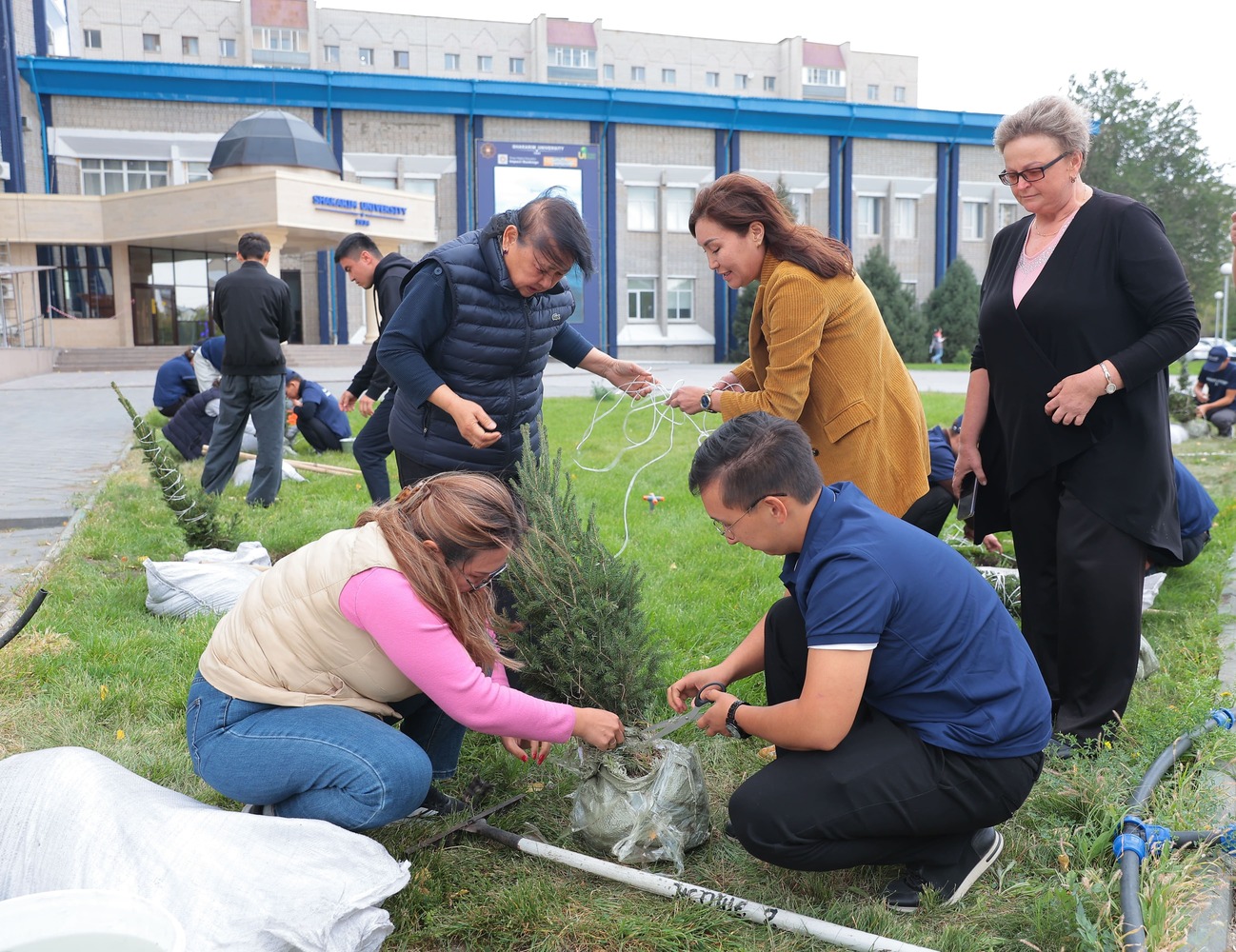
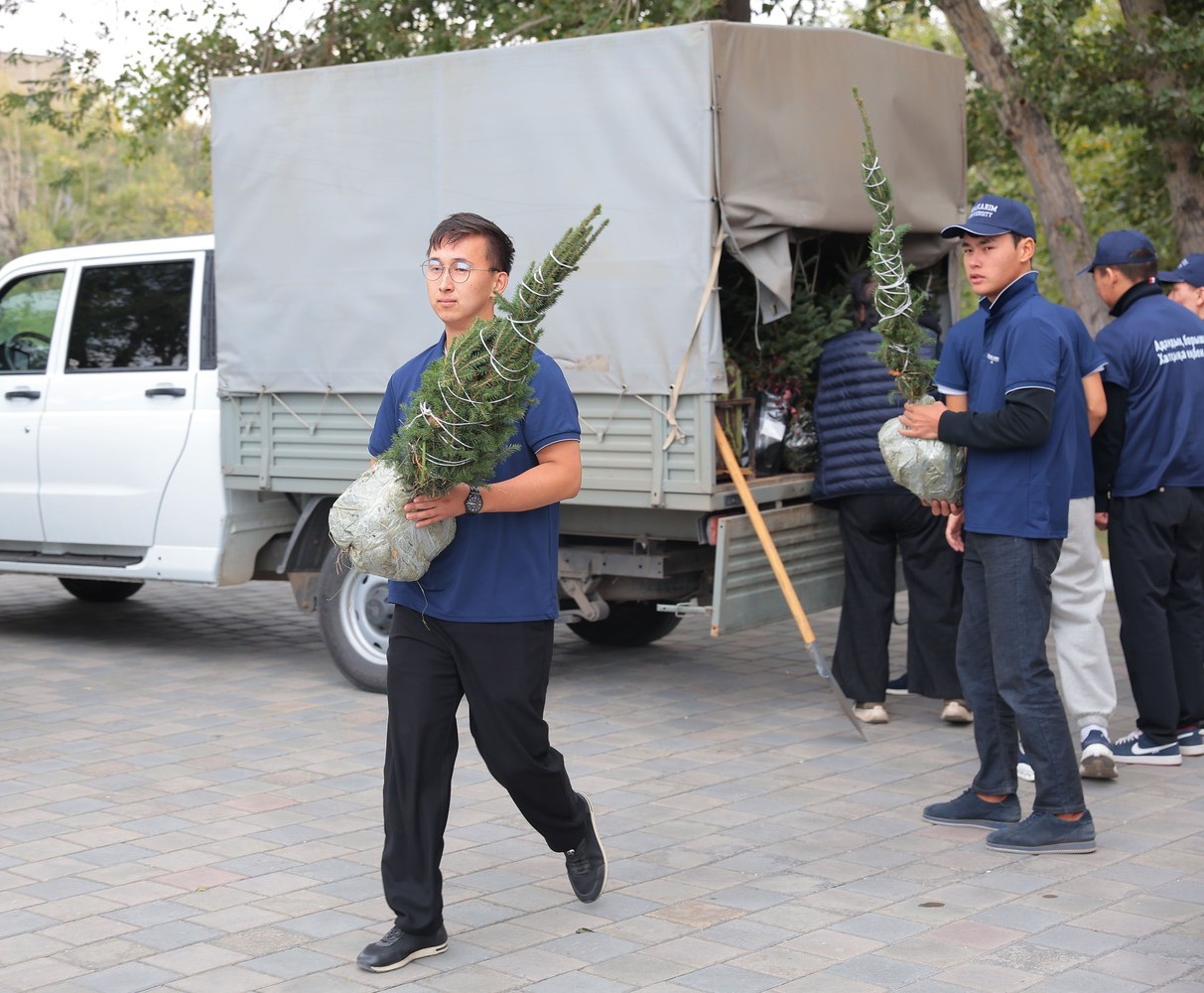
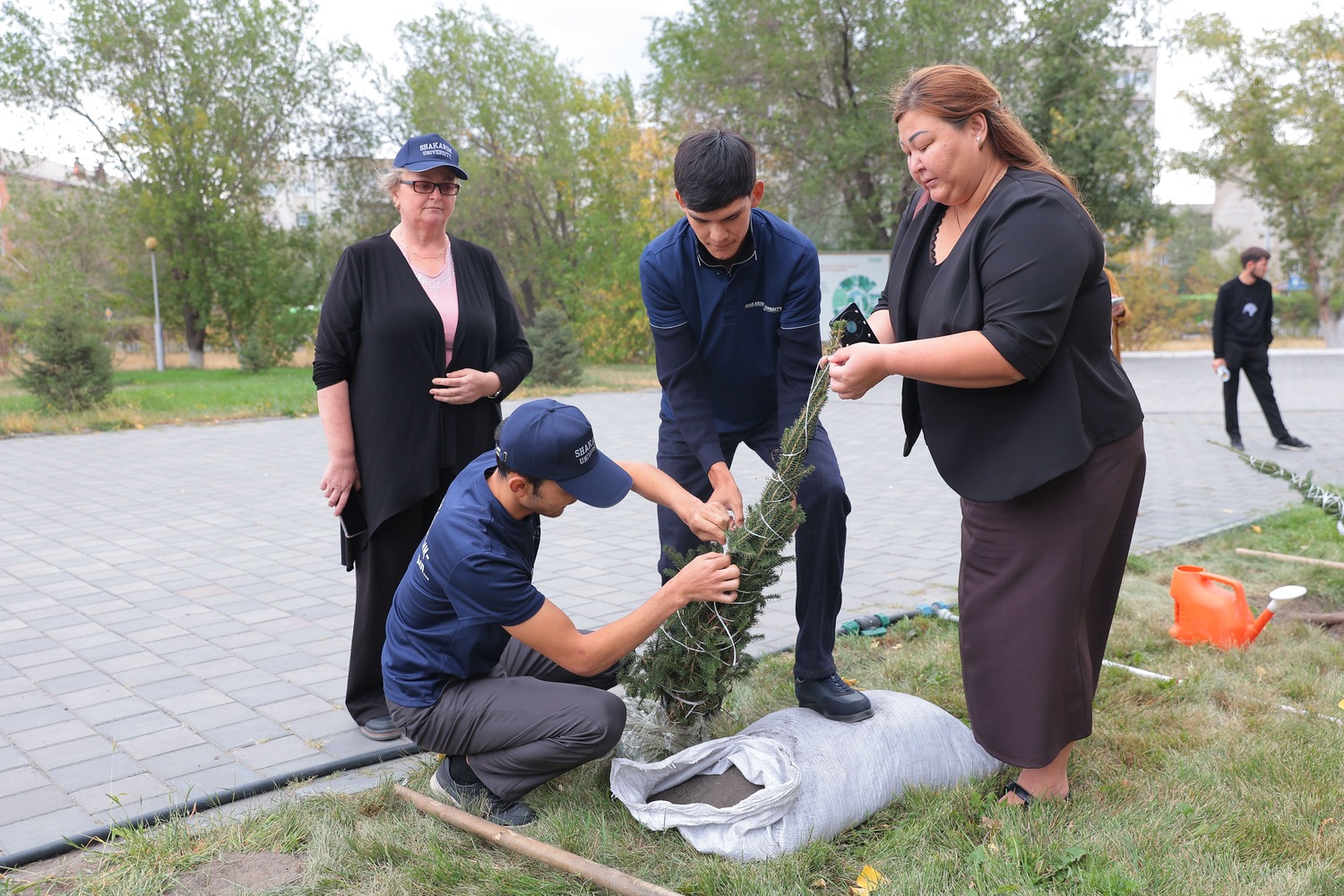
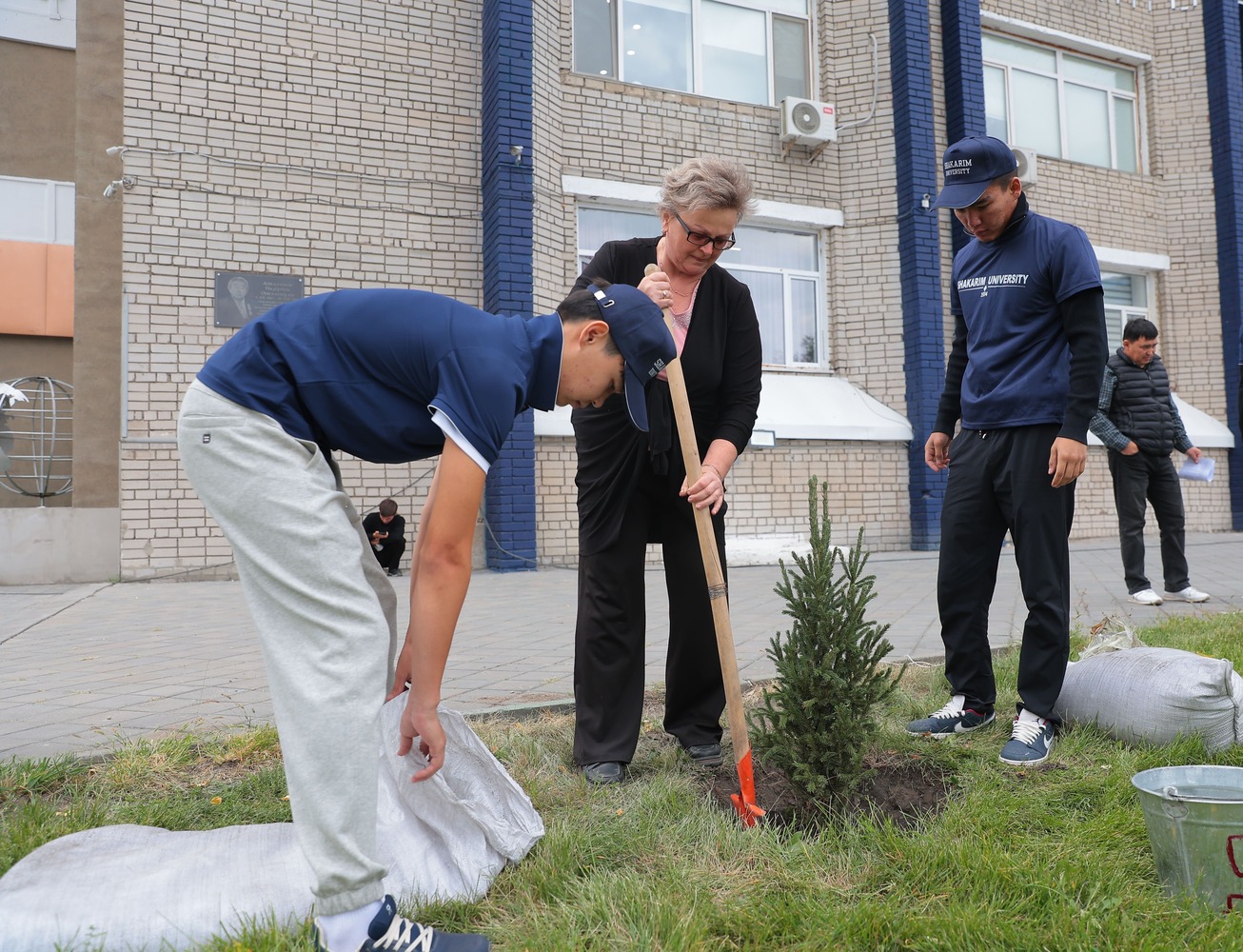
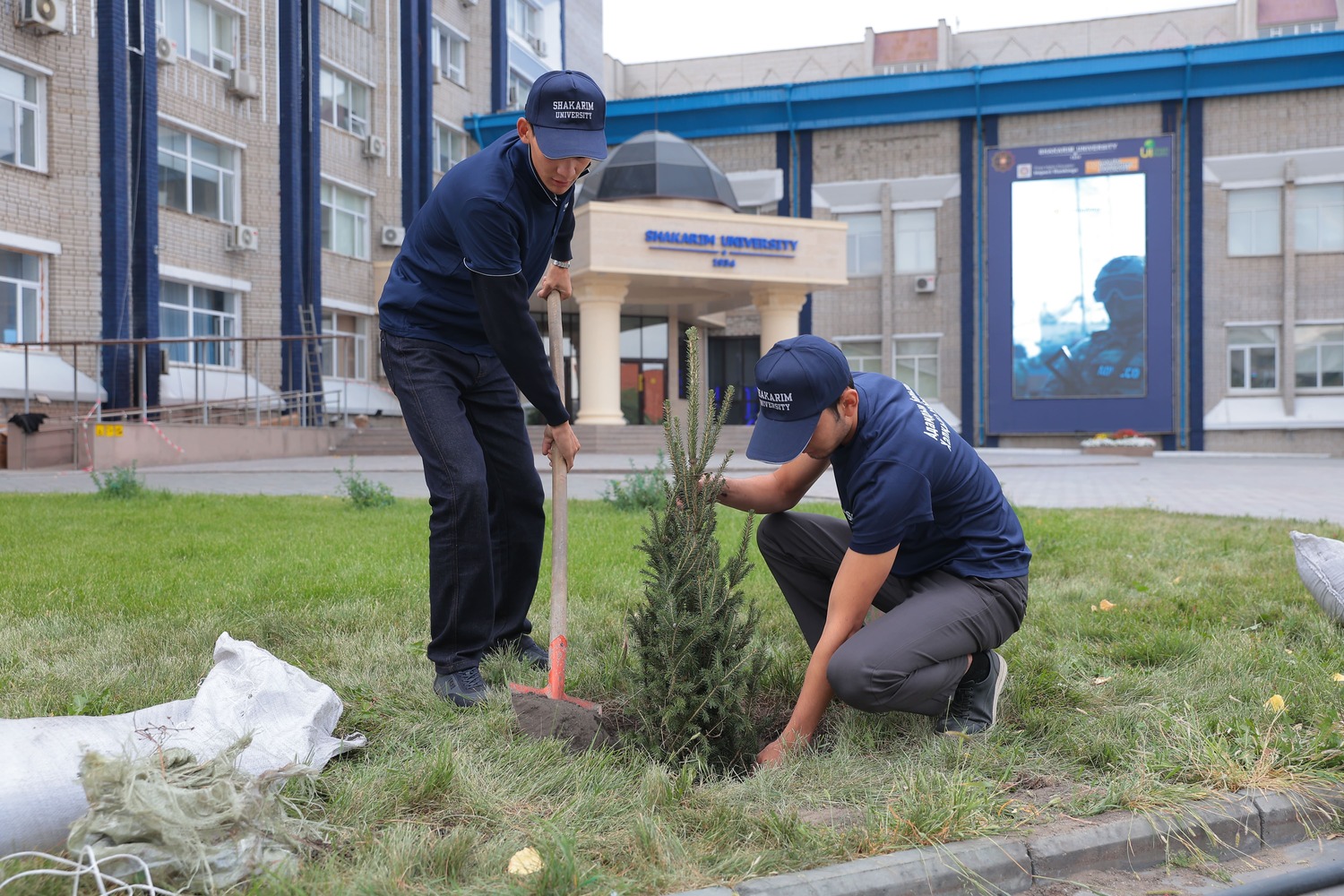
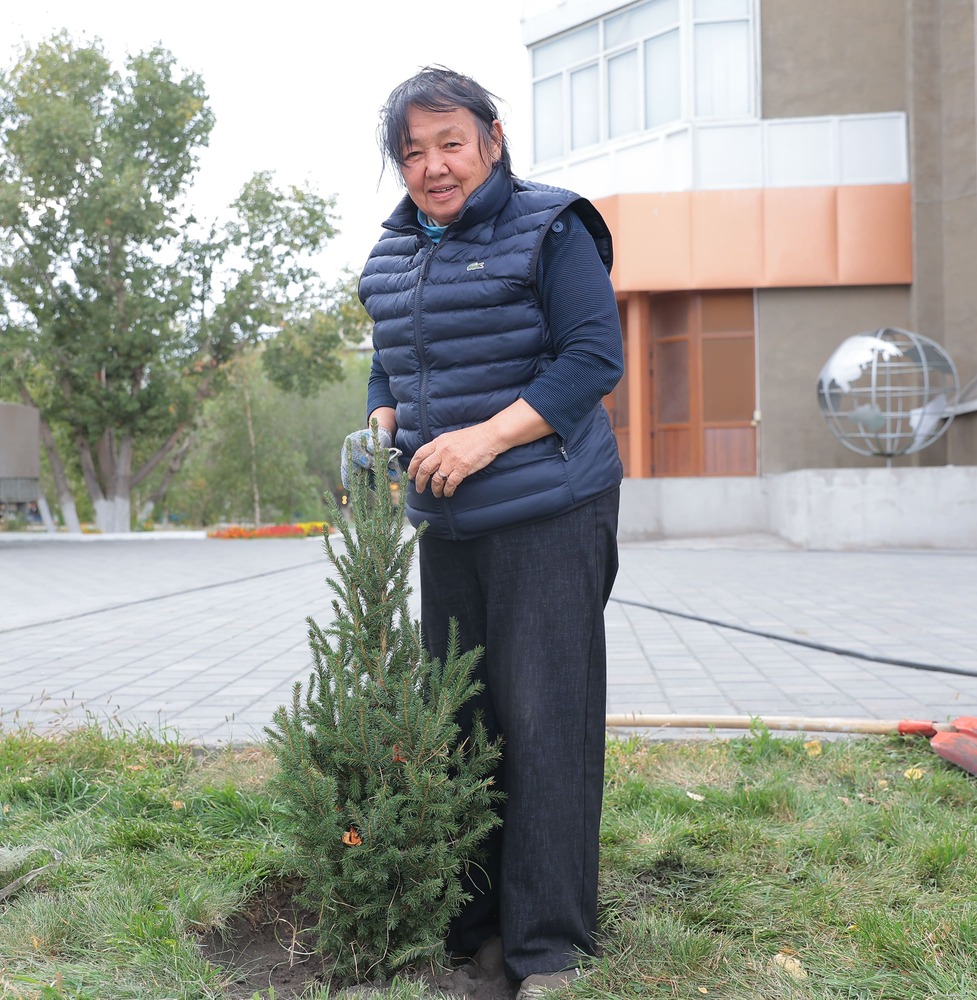
Today Akjunis Imanbayeva, candidate of biological sciences, general director of the Mangyshlak experimental botanical garden of the Science Committee of the Ministry of Science and Higher Education of the Republic of Kazakhstan came to Shakarim University. With the participation of the scientist, 9 spruce seedlings were planted in the yard of the main building of the university.
This visit is another result of scientific and practical cooperation between the university and the Mangyshlak experimental botanical garden that has been going on for almost a year and a half.
One of the first concrete steps of cooperation was made in April 2025. At that time, Akzhunis Altayovna had planted plant seedlings specially brought from the Mangyshlak Botanical Garden on the territory of the university. Among them were tall ailant, three-spined mulberry (Gledichia trehkolyuchkovaya), orange maculura, Semenov and Ginnala maples, Sogdian sycamore (Yasen Sogdiyskiy), oriental biota, common oak and black mulberry.
Mangyshlak experimental botanical garden has accumulated a lot of experience in the direction of introducing plant species that have not been found in the region before. Today, more than 1,500 types of plants are planted in the garden.
Rector Duman Orynbekov initiated the creation of an experimental site for growing rare plants on the territory of Shakarim University. This initiative is not limited to landscaping the university territory. It is part of a landscape design project aimed at researching and transplanting plants adapted to the natural environment, increasing the environmental culture of students, and turning the university territory into a green recreation area. The project also intends to contribute to state initiatives aimed at greening settlements and increasing forest reserves.
"We continue our partnership with Shakarim University in the field of higher education and science. When Duman Rymgalyuly came to Mangystau, he proposed to carry out our scientific work together with the university. Since then, our work in this direction has been systematically carried out.
Last year we delivered seedlings of several tree species. In addition, our joint work with the Altai Botanical Garden within the framework of the targeted program is worth mentioning. This time, we brought spruce seedlings grown in the same Altai Botanical Garden. This is a type of plant that is adapted to the weather and natural conditions of this region," says Akzhunis Altayovna.
The characteristics of adaptation to the local climate of the seedlings planted so far are also being studied during the experiment.
Through this experience, Shakarim University intends to create not only a space of education and science, but also an environmentally friendly environment. This is one direction of long-term work, which begins with the landscaping of the university territory and continues with the study and preservation of the natural potential of the region.