Partnership for quality education and shared water security
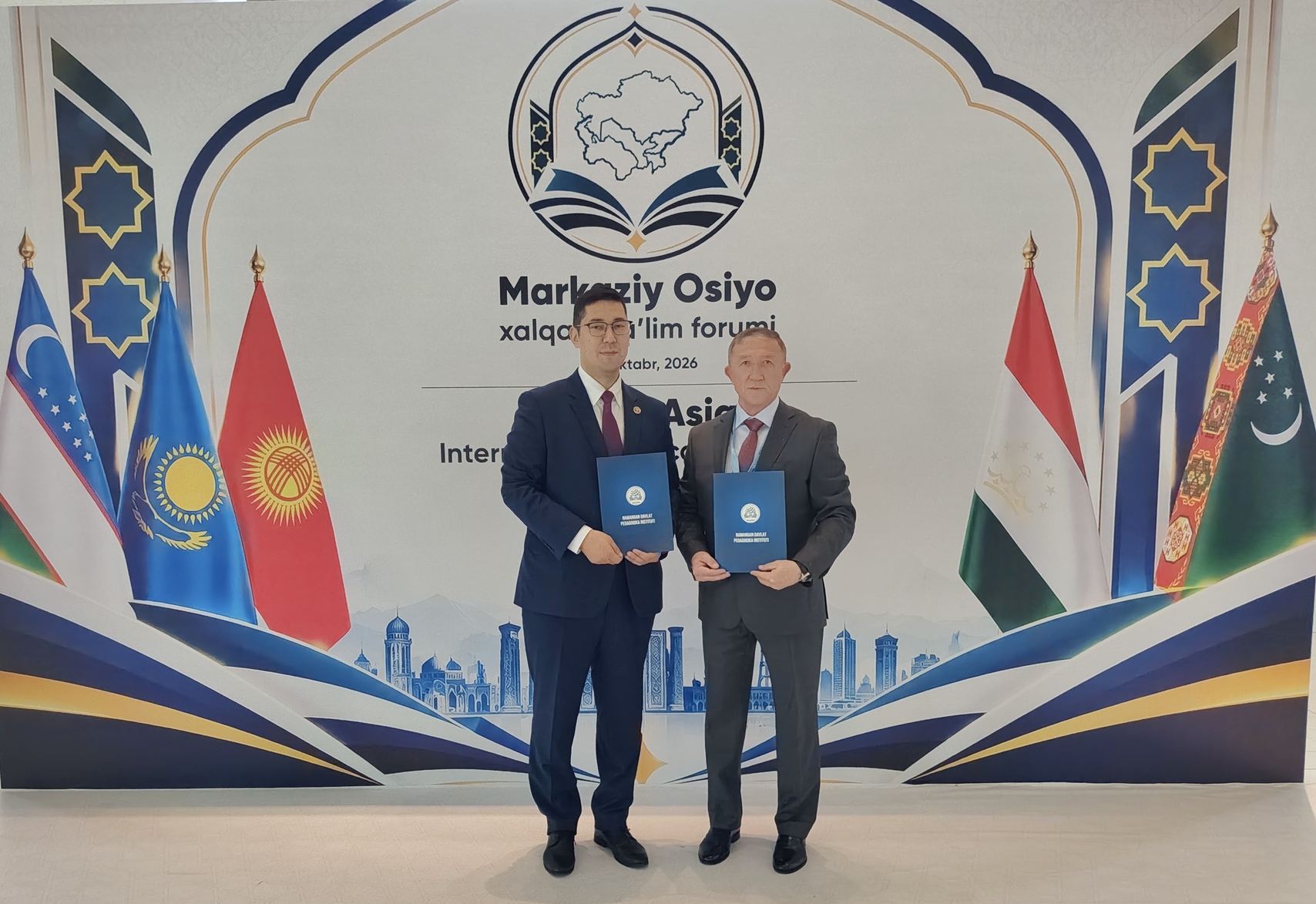
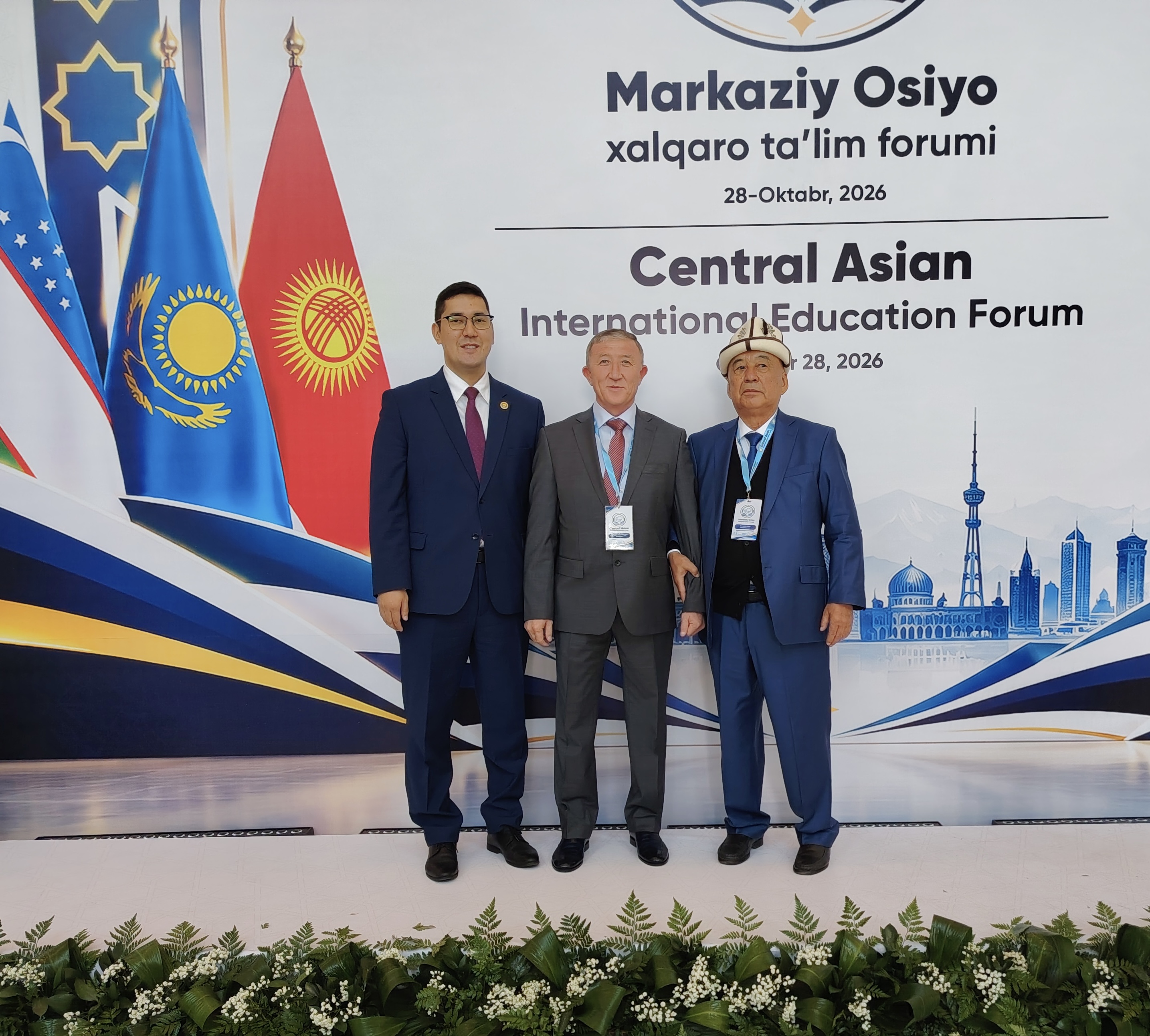
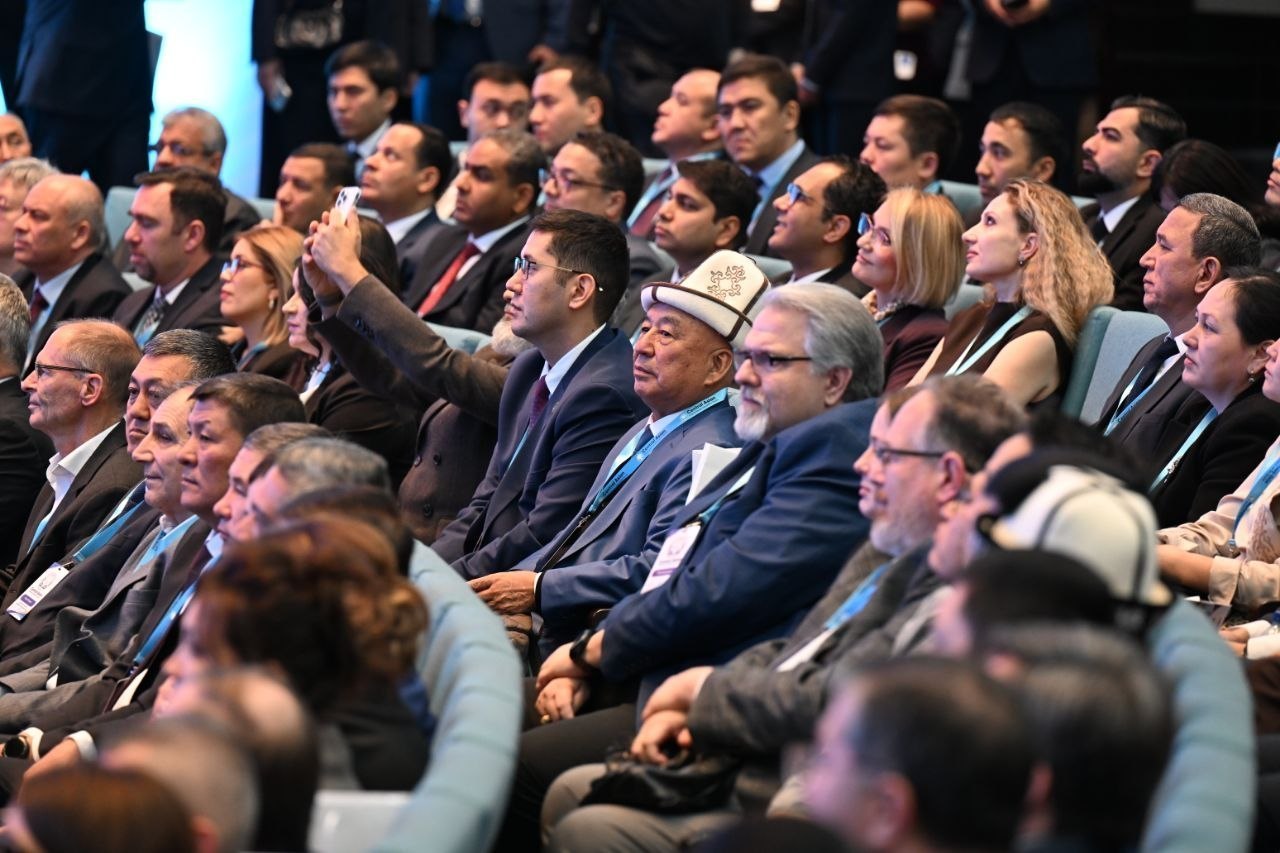
The Central Asian International Education Forum held in Tashkent strengthened Shakarim University's international relations and made it possible to supplement scientific and educational cooperation with new content. Within the framework of the forum, important agreements were made in the direction of establishing partnerships with Uzbekistan's higher educational institutions, training specialists in the field of water resources management, and developing joint scientific initiatives.
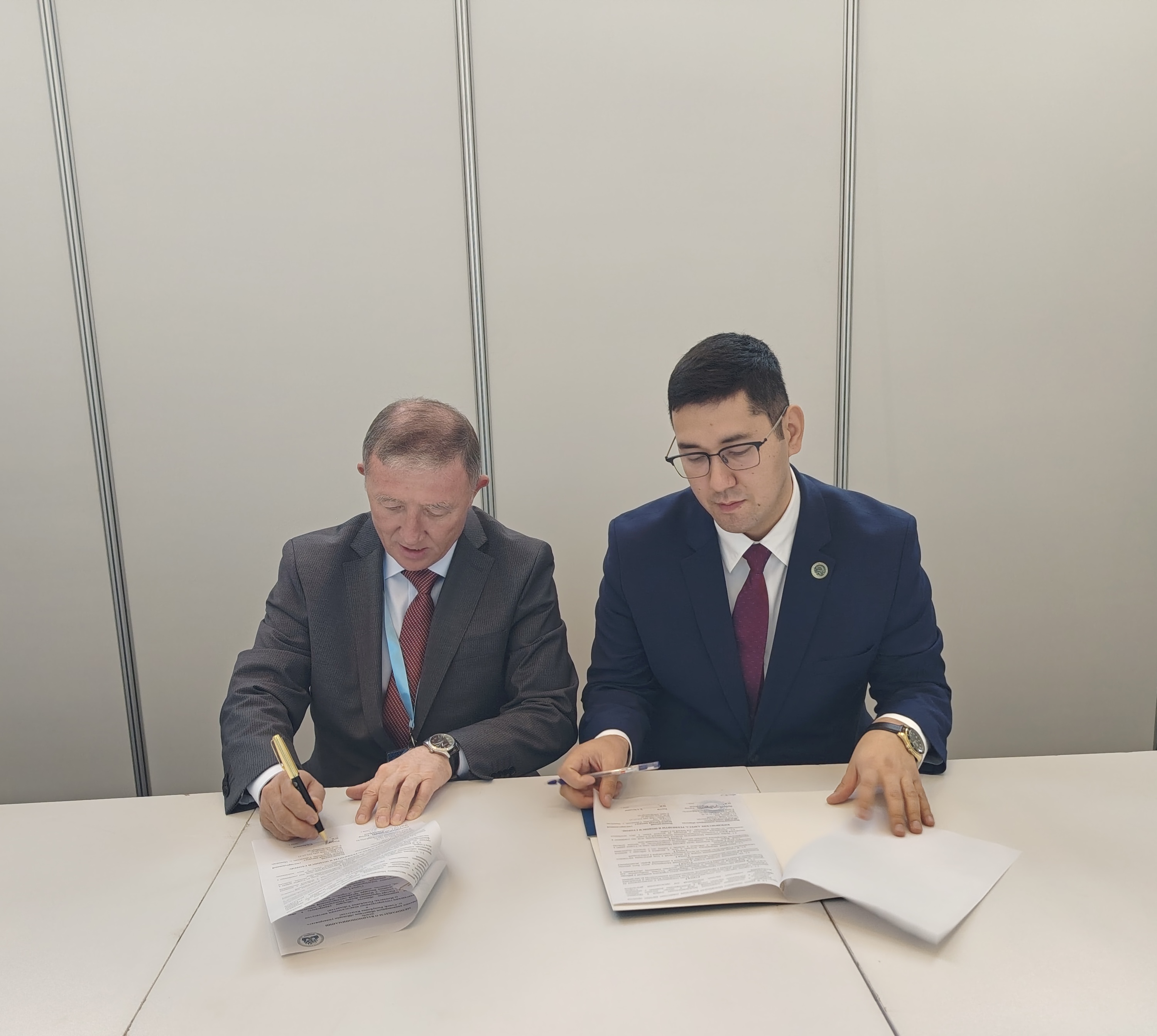
One of the important steps within the framework of the forum is the signing of an agreement on cooperation between Shakarim University and Namangan State Pedagogical University. The document lays the foundation for the systematic development of relations between the two higher educational institutions, the academic exchange of teachers and scientists, the sharing of professional experience and the increase of scientific potential.
The new partnership paves the way for the mutual study of educational experience, the expansion of academic opportunities and the implementation of joint initiatives in the future.
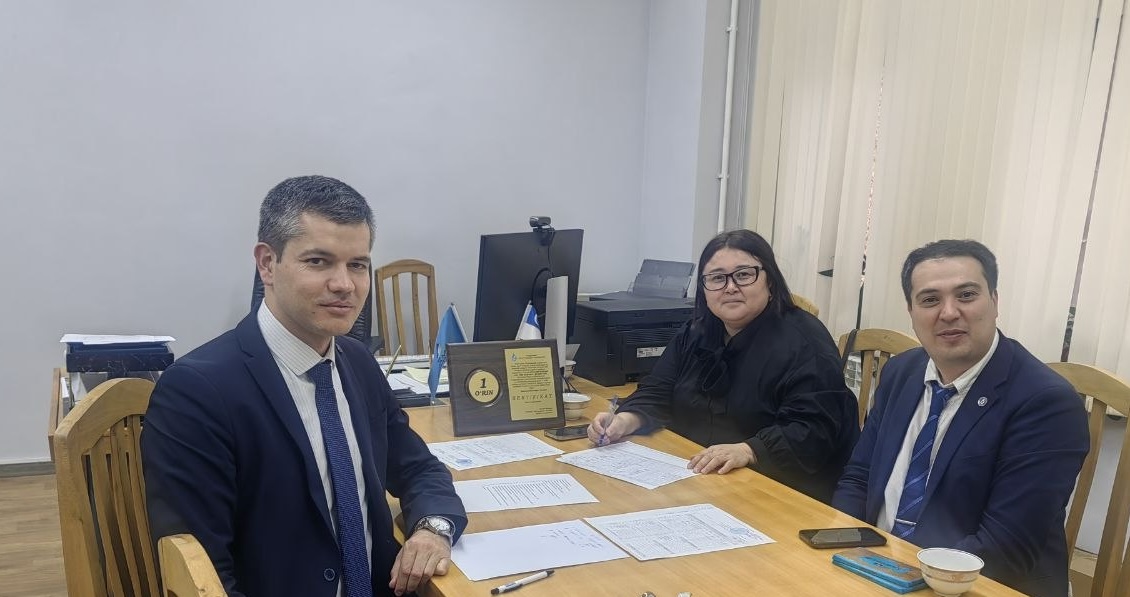
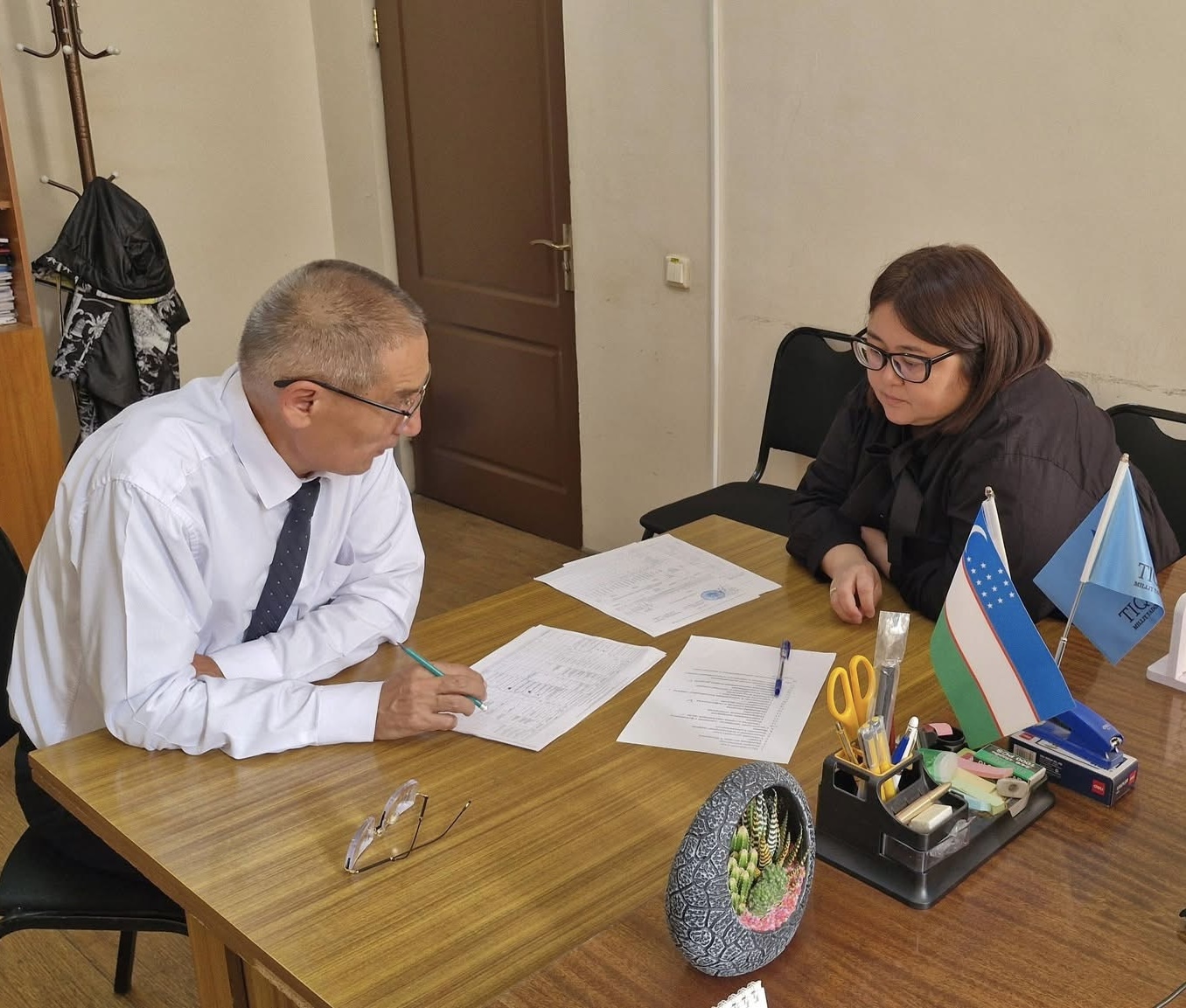
Alfira Sabitova, head of Shakarim University's "Chemistry and Ecology" department, worked with "Tashkent Institute of Irrigation and Agricultural Mechanization Engineers" National Research University (TIIAME). At that time, an agreement on cooperation was signed between the two universities in the direction of the educational program "Water Resources". This year, the opening of the educational program "Water resources and transboundary security" at Shakarim University adds new content to this relationship and allows to expand the scope of joint work. Partnership with TIIAME can serve as a basis for exchanging experience in the areas of water resources management, engineering technologies and environmental protection, improving educational content and developing joint research projects. Most importantly, this cooperation is aimed at training specialists who are familiar with modern requirements in the field of water, have deep professional knowledge and are able to solve complex tasks.
Direction of strategic importance for Abay region
Efficient use of water resources and transboundary water security is one of the issues of special importance for Central Asian countries. Preservation of water resources, its rational management and ensuring ecological balance require scientific cooperation between states, qualified personnel and long-term solutions.
This direction is also relevant for Abay region. The need to manage the water resources of the region, the transboundary importance of the Irtysh River and issues of environmental safety increase the importance of training professionals in this field. Therefore, the introduction of international experience into the educational process, the development of scientific research and joint projects with foreign colleagues can contribute to the sustainable development of the region.
The new educational program of the university and international partnership are one of the important directions that combine these needs. Such contacts allow to strengthen the connection between science and industry, to search for scientifically based solutions to the current problems of the region.
A step towards the future
The participation of Shakarim University in the forum in Tashkent is a manifestation of systematic work aimed at connecting international cooperation with specific educational programs, scientific research and regional demands.
The forum in Tashkent is an important meeting aimed at solving the common tasks of Central Asian countries through education and science. For Shakarim University, this is an important step towards mastering international experience, increasing opportunities for quality education, and promoting scientific and educational initiatives that serve the sustainable development of the Abay region. Education and science aligned to a common goal are a force that strengthens cooperation between countries, and professional training and research aimed at the current issues of the region form a solid foundation for the future.