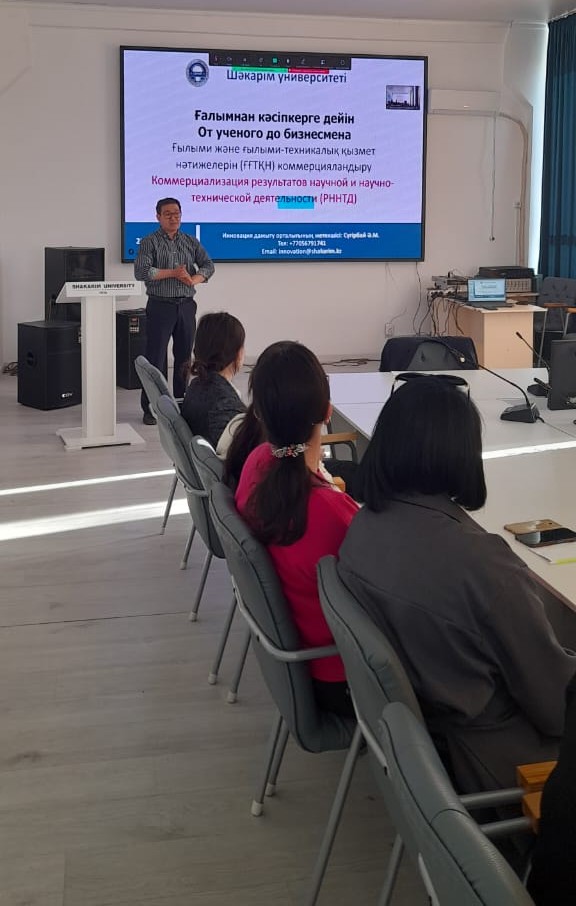
Shakarim University scientists master the tools of FoodTech business
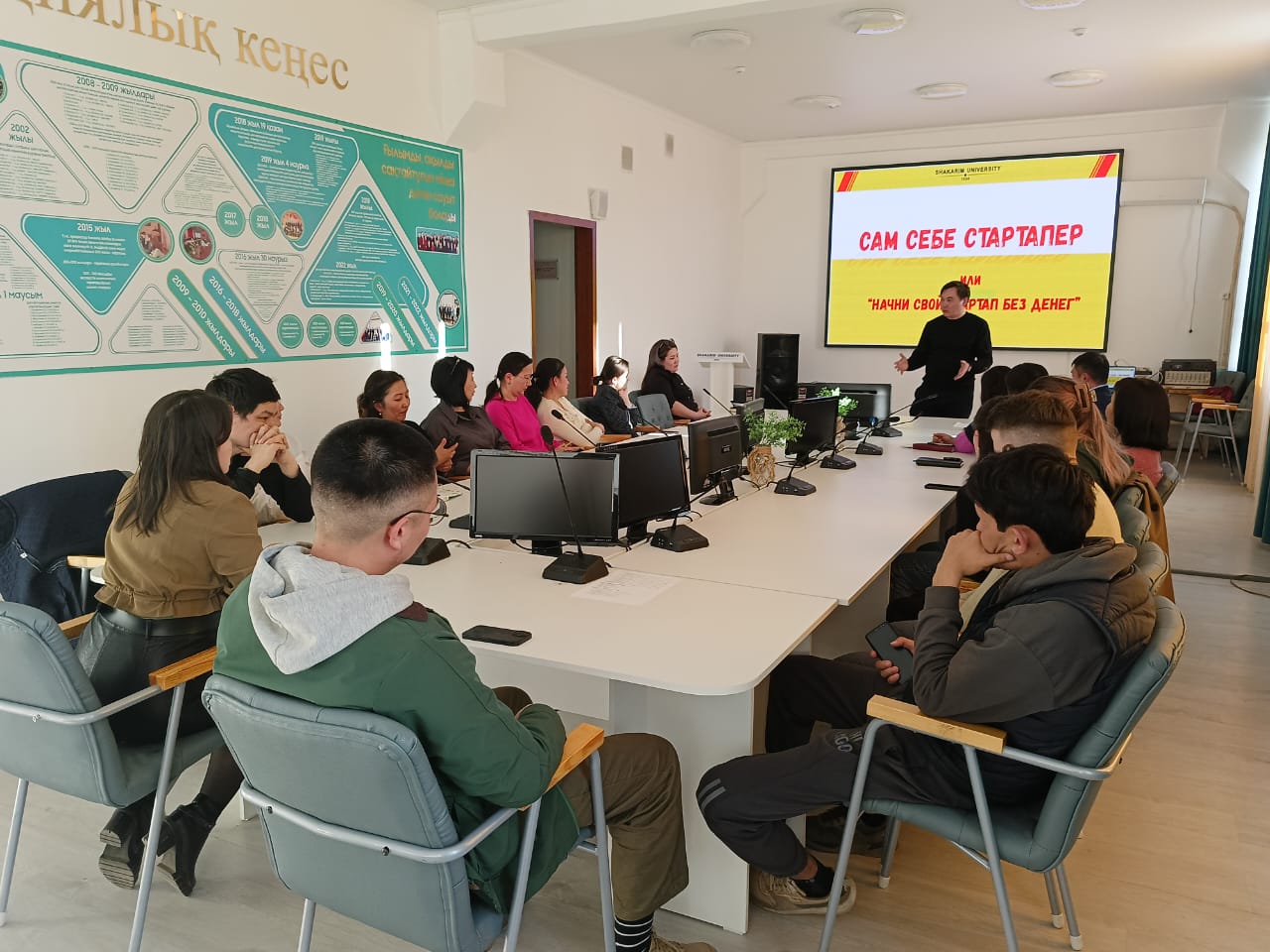
A specialized training seminar was held at the Research School of Food Engineering on the commercialization of scientific developments and the launch of start-ups in the agro-industrial sector.
The modern food industry requires from scientists not only deep knowledge in chemistry and biotechnology, but also a clear understanding of market mechanisms. The event became a practical guide to transforming laboratory research into marketable products.
Specifics of commercialization of projects in the field of food science: from GOST to the end consumer
Participants paid special attention to the industry specifics of FoodTech projects. Unlike other areas, innovation in nutrition is inextricably linked with stringent safety and quality requirements.
During the seminar the following were discussed in detail:
• Regulation and certification: How to take into account food safety requirements at the development stage.
• Scaling: Difficulties in moving from laboratory sample to full-scale production.
• Innovation marketing: How to convey the value of a functional or dietary product to the investor and the end consumer.
Technological readiness (TRL) as a guarantee of investment
The central topic of discussion was the scale of Project Technology Readiness Levels (TRL). For scientists, it is a universal language of communication with investors and government funds.
Participants learned how to classify their developments: from theoretical concept (TRL 1) to prototype production on a real shop floor (TRL 7) to full commercial implementation (TRL 9). Understanding these stages allows the school’s teaching staff to better prepare applications for grant funding and clearly assess the timing of the product’s release to the market.
Results and prospects
The seminar allowed the school's teachers and researchers to conduct an “audit” of their current projects from the point of view of their commercial attractiveness.
“The Food Engineering Research School has enormous potential. Our task today is to give scientists algorithms that will help their unique developments become part of the real economy of the region and the country,” noted the organizers.
Such meetings lay the foundation for the creation of new high-tech industries on the basis of the university, contributing to the development of import substitution and food security in Kazakhstan.