Kazakhstan and the Republic of Korea expand technology partnership
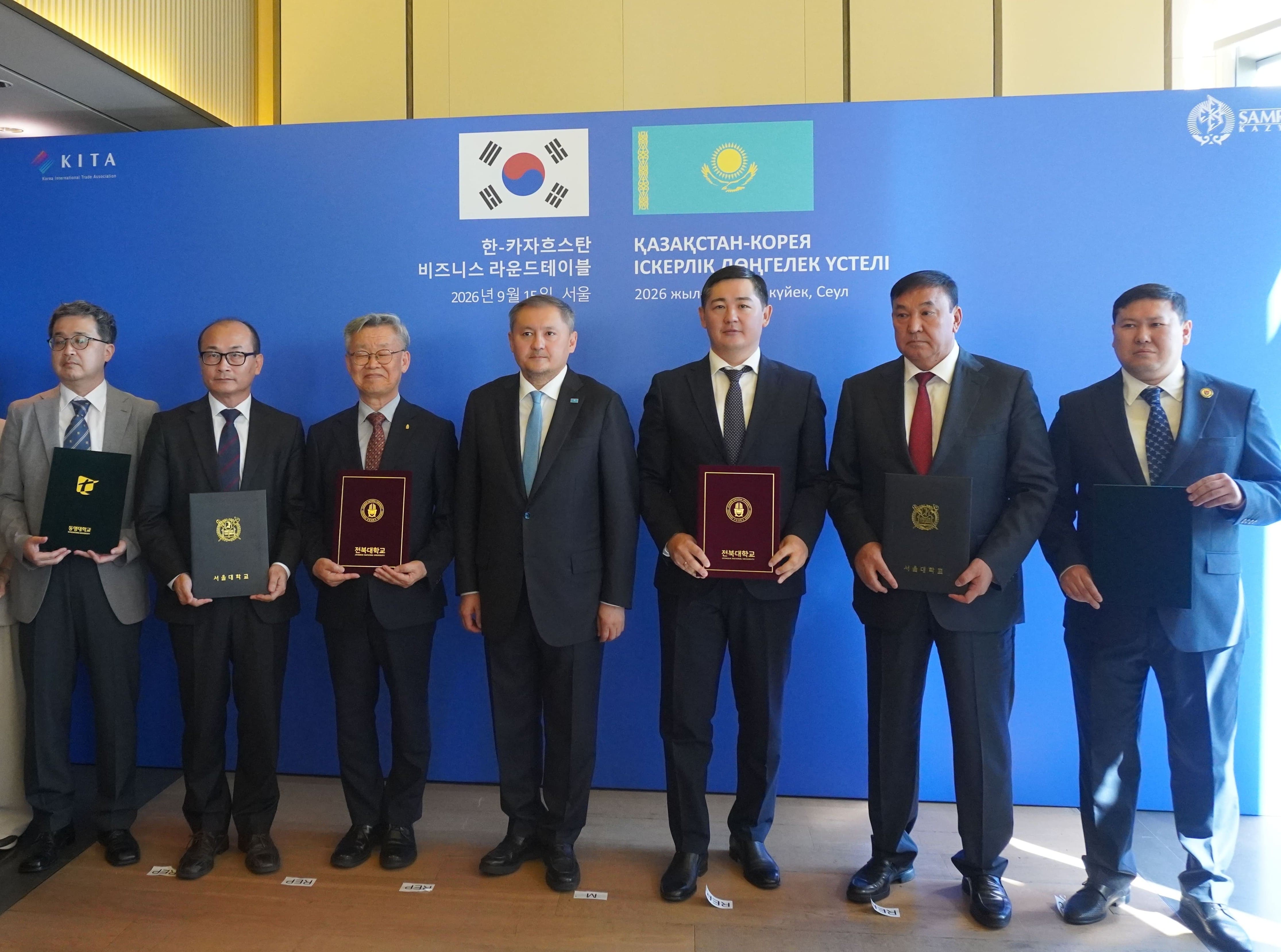
Shakarim University signed a memorandum with Jeonbuk National University
As part of the state visit of the President of the Republic of Kazakhstan Kassym-Jomart Tokayev to the Republic of Korea, more than 40 interdepartmental, interinstitutional and interuniversity documents were signed through the Ministry of Science and Higher Education.
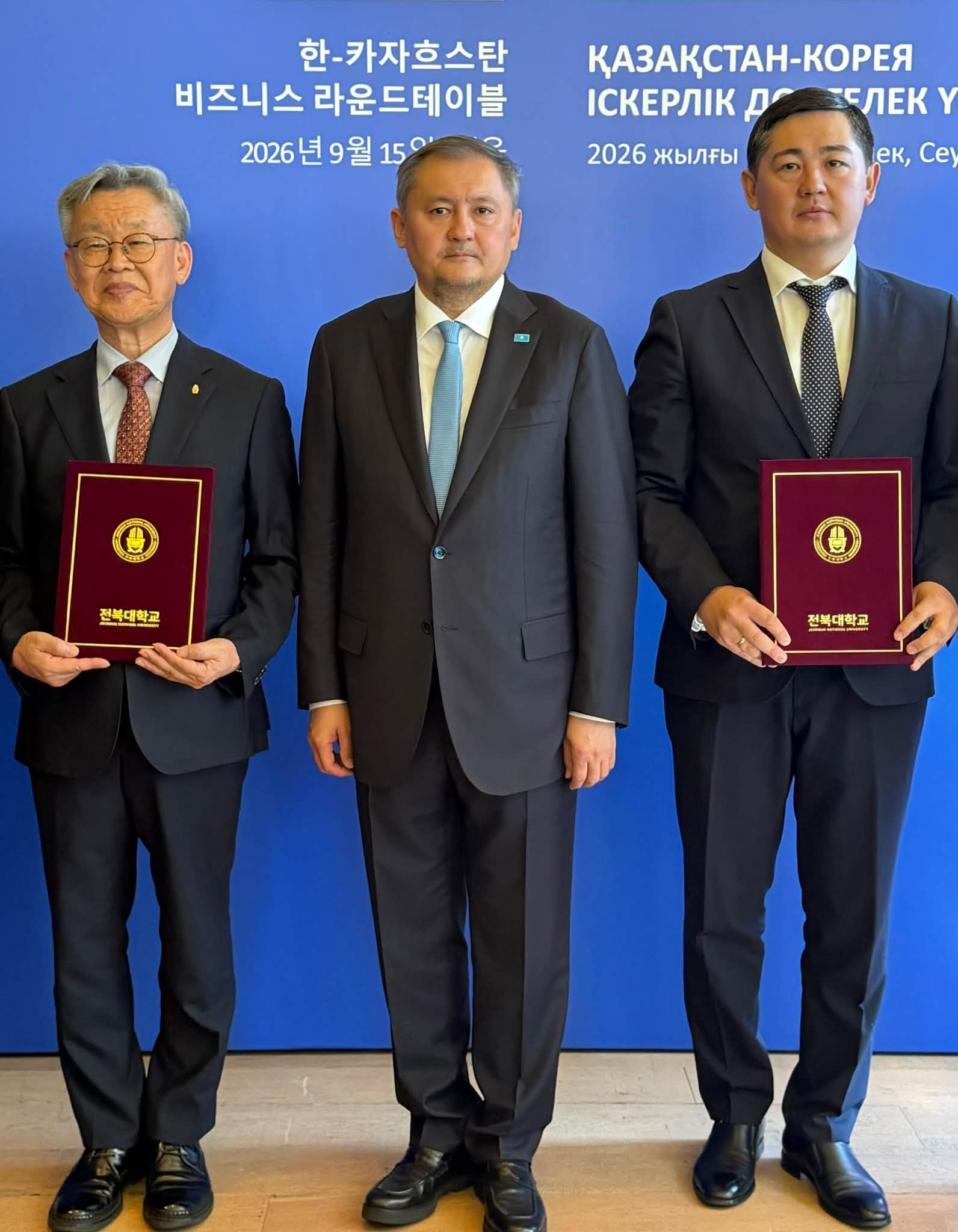
Among the participants in the large-scale cooperation program is Shakarim University, which signed a Memorandum of Understanding with Jeonbuk National University.
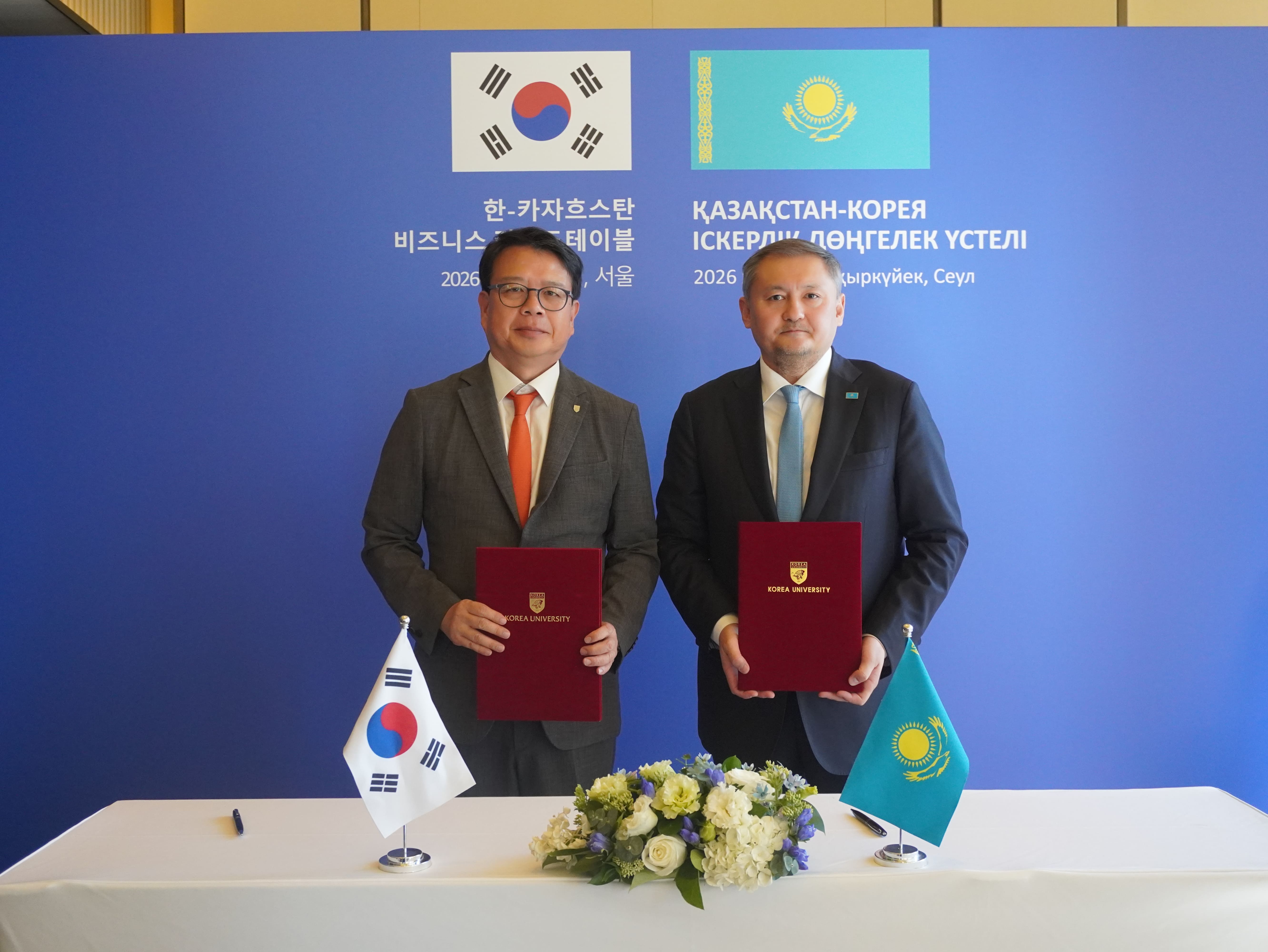
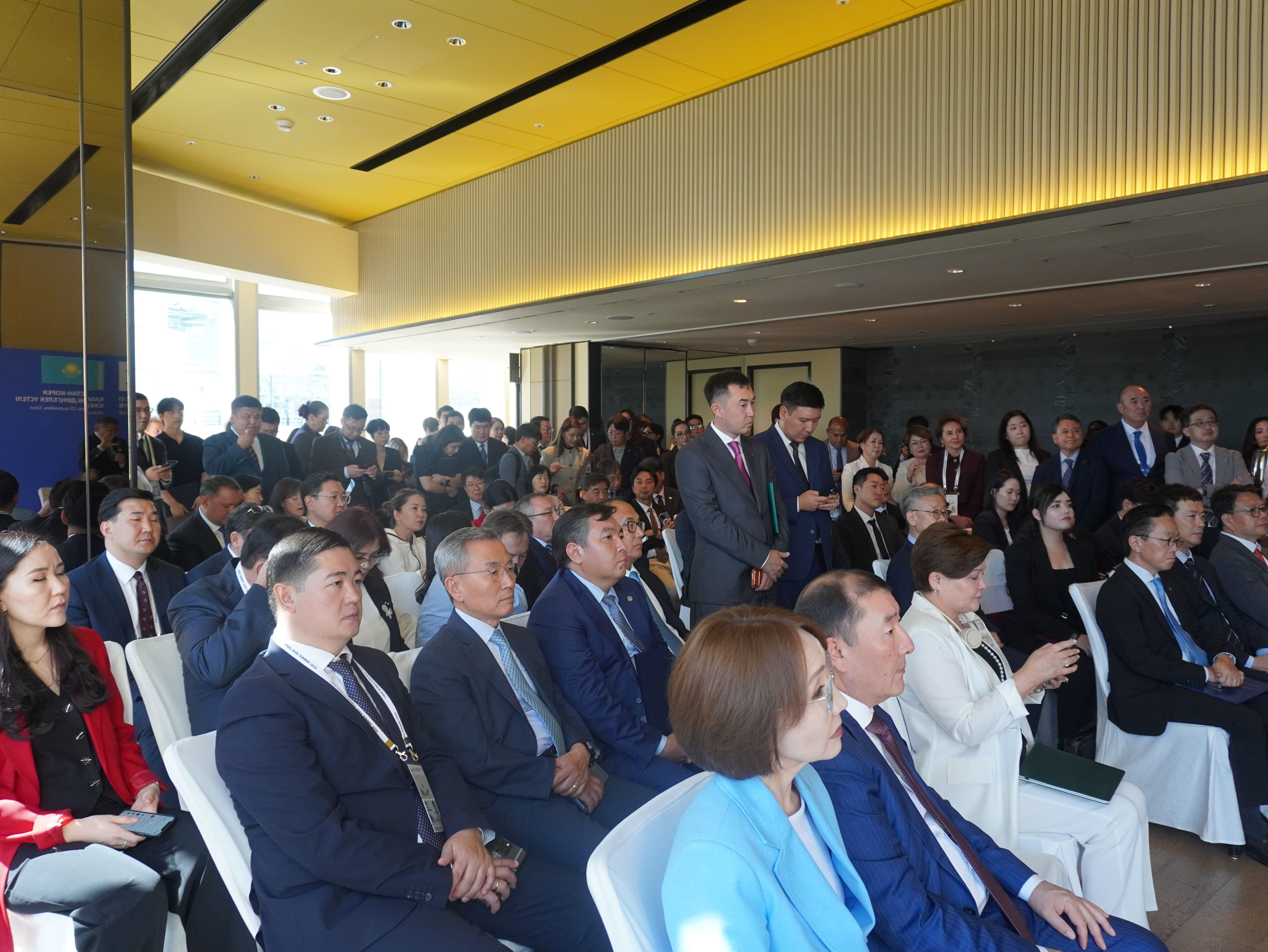
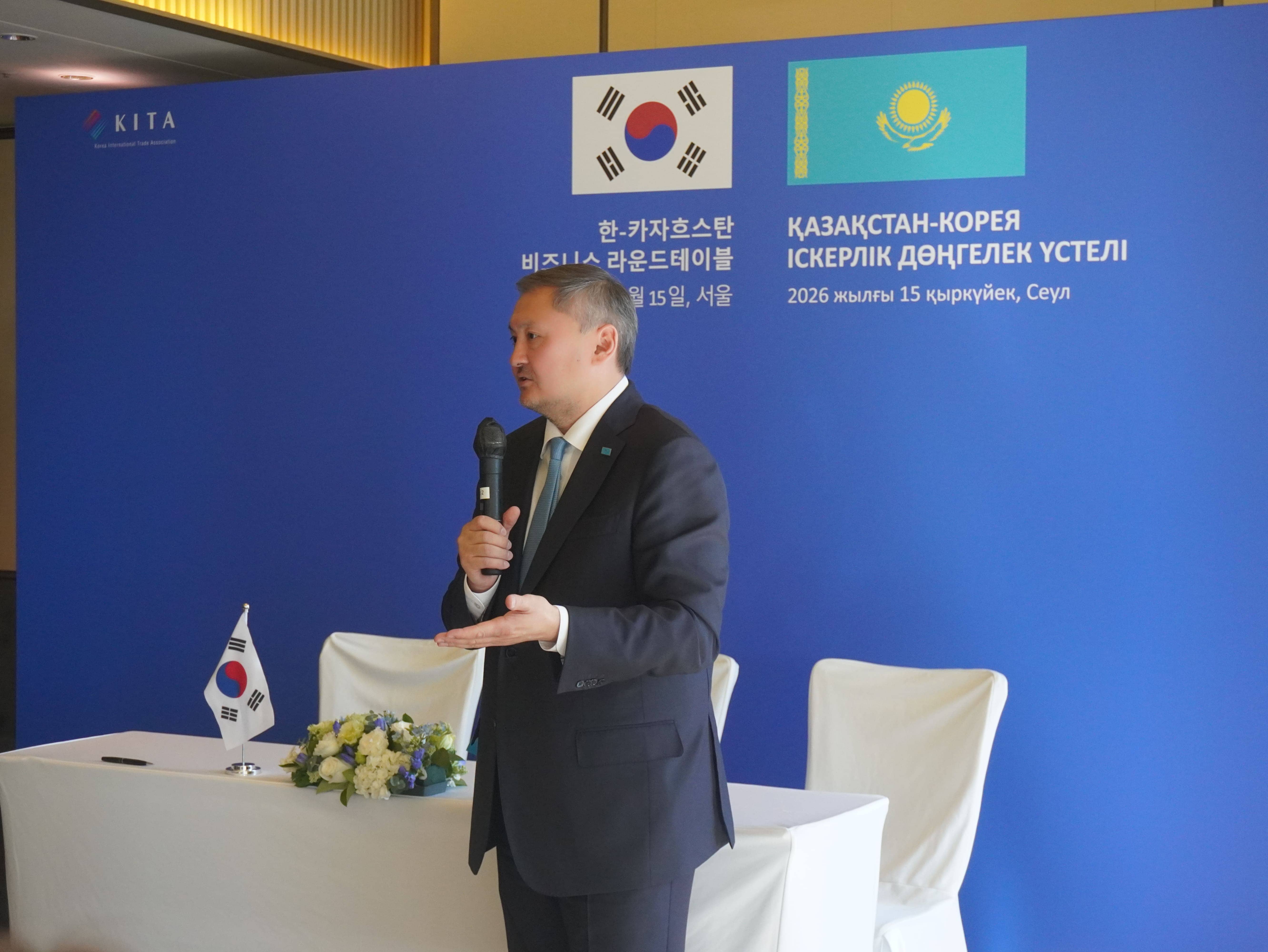
On September 15, 2026, a high-level Kazakh-Korean round table was held in Seoul, which became one of the key platforms of the state visit of the President of Kazakhstan Kassym-Jomart Tokayev to the Republic of Korea.
Through the Ministry of Science and Higher Education Education of the Republic of Kazakhstan has formed a significant package of agreements in the field of science, higher education, artificial intelligence, high technology and personnel training.
The content of the signed documents shows the scale of the tasks that Kazakhstan today associates with universities. We are talking about the development of technological industries, the creation of new research infrastructure, the training of engineering and scientific personnel, technology transfer and the expansion of direct interaction between science and industry.
Shakarim University, among the leading universities in the country, presented regional higher education and expanded cooperation with the University of the Republic of Korea.
Shakarim University and Jeonbuk National University: a new direction of cooperation
Within the framework of the MOU Ceremony Summit “Central Asia - Republic of Korea” Korea" Shakarim University and Jeonbuk National University signed a Memorandum of Understanding.
Shakarim University at the negotiations with Jeonbuk National University, represented by Rector Yang Oh Bong, was represented by Rector Duman Orynbekov and Vice-Rector for Internationalization and Innovation Erasyl Dulatbay.
The parties discussed the prospects for cooperation in education, science and innovation. The signed document forms the basis for the development of joint educational programs, academic mobility, scientific research and innovative projects, as well as the exchange of students, teachers and researchers.
The ceremony united major universities of the two countries. The Kazakhstani side was represented by Al-Farabi Kazakh National University, Gumilyov Eurasian National University, Satpayev University, Shakarim University and other universities. Seoul National University, Korea University, Yonsei University, Inha University, Hanyang University, Kyungpook National University, Jeonbuk National University and other educational and scientific organizations participated from the Korean side.
This level of representation shows that universities are becoming one of the key areas of interaction between Kazakhstan and the Republic of Korea in education, science, technology and innovation.
For Shakarim University, the new agreement continues the already established history of cooperation with the Republic Korea
Since 2016, the university has been developing a partnership with Kyungdong University and collaborating with Gyeongsang National University. The signing of a memorandum with Jeonbuk National University expands the geography of partnerships and opportunities for further collaboration.
At the same time, international cooperation for a regional university is directly related to the development of the territory.
As rector Duman Orynbekov noted, the university’s international partnership should be assessed by its practical results for the region.
- For us, the main question is what technologies and competencies we can attract to the Abay region, what industries to strengthen and what scientific developments to bring to real application. The industry, agricultural sector, energy, automation and digital technologies of the Abay region determine the areas where scientific competencies, new technologies and international experience can receive practical application.
Therefore, we also consider the agreement with Jeonbuk National University as the beginning of concrete joint work.
From agreements - to a new interaction between science and economics
The package of documents signed in Seoul allows us to see more a broad process of which Shakarim University becomes a part.
One of the areas of Kazakh-Korean cooperation was industrial cooperation in the field of rare and rare earth metals with the participation of JSC Institute of Metallurgy and Beneficiation of Satbayev University and Korean partners. On the basis of Satbayev University, it is also planned to create a Center for Technological Cooperation.
In the automotive industry, Kostanay Regional University named after A. Baitursynuly and Dong-Eui University agreed to create a joint artificial intelligence laboratory.
A separate strategic direction is the development of KAIST Kazakhstan. The corresponding document provides for the development of the university according to the model of a leading Korean research university.
If we consider these decisions together, a general principle becomes obvious: education, science, technology and industry are increasingly united in one system.
The university in this model trains specialists for new tasks of the economy, while simultaneously conducting research and working on technologies. Scientific development receives an industrial partner. International cooperation opens up access to new competencies, research practices and technologies.
This is why the experience of the Republic of Korea is of particular interest to Kazakhstan.
Korea has gone from being dependent on external technologies to becoming one of the world's technology leaders. Universities and research centers, working closely with industry, have played a significant role in this development.
For Kazakhstan, the question today is becoming practical: how much of the emerging new economy can domestic universities take on? For regional universities it is even more specific: what sectors of their region they are able to technologically strengthen, what research to bring to application, what international competencies to attract and what specialists to train for the real needs of the economy.
Shakarim University this issue is directly related to the Abay region. University science and personnel training should take into account the development of industry, the agricultural sector, energy, automation and digital technologies of the region.
Thus, international partnership takes on a specific economic dimension: it should contribute to the emergence of new competencies, technologies, research and personnel directly in the region.
Science and culture create long-term ties between countries
Another event of the state visit showed another important side of relations between Kazakhstan and the Republic of Korea, the role of scientists, teachers and culture.
In Seoul, President Kassym-Jomart Tokayev awarded the Order of Dostyk, II degree, to the President of Seoul Cyber University Lee Sang-kyun and Professor of the Hankuk University of Foreign Studies Son Yong-hun, director of the Institute of Central Asian Studies.
The story of Professor Son Yong-hun is especially indicative for the university community.
For more than twenty years, the scientist has been teaching the Kazakh language in Korea, studies Kazakhstan and Central Asia. The professor said words of gratitude to the President and the people of Kazakhstan in the Kazakh language.
There is much more behind this than knowledge of the language.
For many years, the scientist, through language, history, literature and culture, has been shaping the idea of one country about another. Thousands of people get acquainted with Kazakhstan through his students. In the future, they become specialists, researchers, teachers, diplomats, business representatives and continue to develop connections between countries in their professional environment.
This is how mutual understanding and trust are formed, which cannot be created only with official documents.
During the state visit, the President of Kazakhstan separately noted the importance of cultural and humanitarian ties between the two countries, the role of the Korean community of Kazakhstan, numbering more than 100 thousand people, Korean cultural centers and the Korean theater in Almaty.
Economic cooperation can be measured by the volume of trade and investment. Technological - the number of joint ventures, laboratories and projects. And the depth of relations between societies is largely determined by how much people know each other’s language, history and culture.
And here universities again find themselves at the center of the process. Through education, research, academic mobility and cultural exchange, they form bonds that can last for decades.
The University as a participant in the technological development of the country
More than 40 documents signed in Seoul through the Ministry of Science and Higher Education of the Republic of Kazakhstan should be considered as part of a larger process. A model is being formed in the country in which the university receives a much broader role in the development of the country. Higher education is connected with industry, scientific research with technological tasks, international partnerships with the attraction of competencies, and personnel training with the needs of the economy.
In this model, the result of cooperation is determined by specific changes: an established laboratory, joint research, new technology, an educational program, a trained specialist, an implemented development.
It is in this context that Shakarim University considers the further development of partnerships with Jeonbuk National University and other foreign universities.
The task is to ensure that the international relations of the university bring concrete results to students and scientists, strengthen the scientific potential of Shakarim University and at the same time work for the technological and economic development of the Abay region.
The state visit to the Republic of Korea outlined the vector very clearly: higher education institutions are becoming a direct participant in the technological development of the country, and science, education, economics and international cooperation are increasingly working for a common result.