Traces of ancient civilization: archaeological research in Abay region
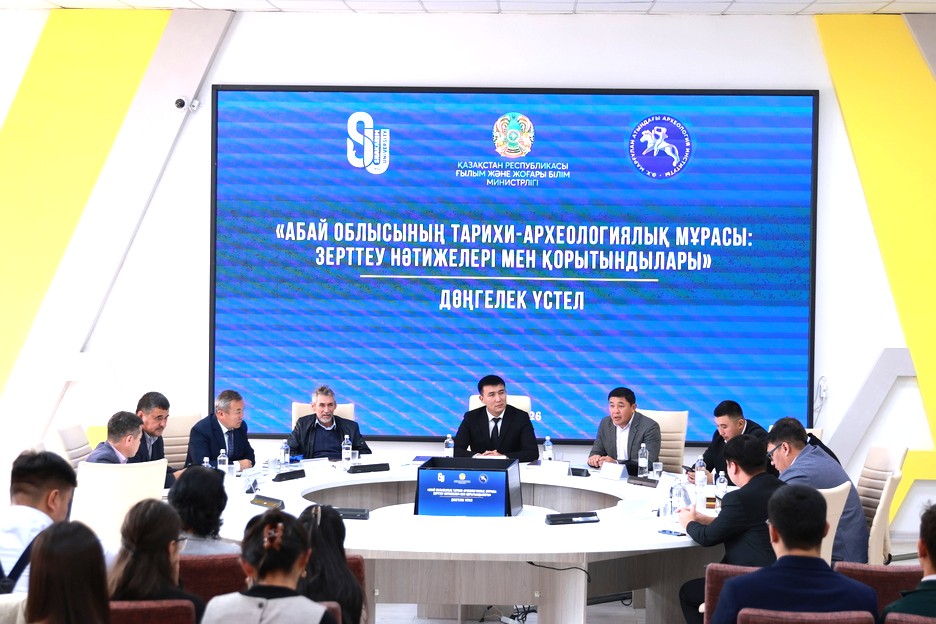
Scientific round table on "Historical and archaeological heritage of Abay region: research results and conclusions" was held at Shakarim University. The event was organized within the framework of the project BR24992916 "Comprehensive historical-archaeological research of Abay region" implemented within the framework of the programmatic funding of the Science Committee of the Ministry of Science and Higher Education of the Republic of Kazakhstan.
The scientific meeting was organized by Shakarim University and A. It was held jointly by the Institute of Archeology named after Margulan. Its purpose is to present the results of archaeological research conducted in the Abay region, to discuss new scientific data related to the ancient and medieval history of the region, to determine the directions of research and preservation of the historical and cultural heritage.
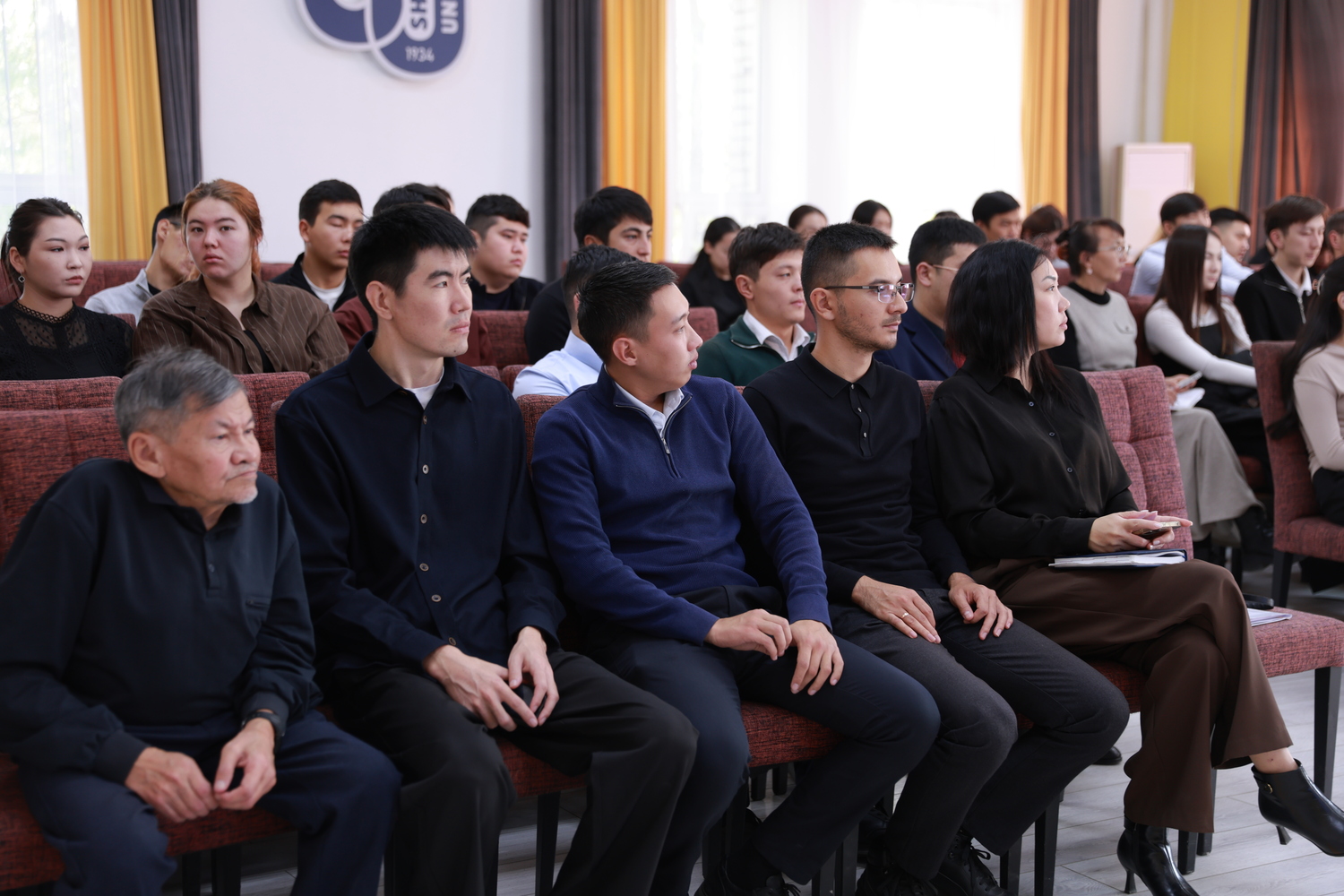
Leading archaeologists, historians, specialists in the field of physical anthropology and ethnoarchaeology from the scientific and educational organizations of Kazakhstan participated in the round table work.
Within the event, the results of the study of Stone Age monuments In 2025-2026, special attention was paid to the works carried out by the Zhanasemey archaeological team, to new materials from the Karatumsyk archaeological complex, to the study of the Early Iron Age settlements of Saryarka, and to ethnoarchaeological research in the region.
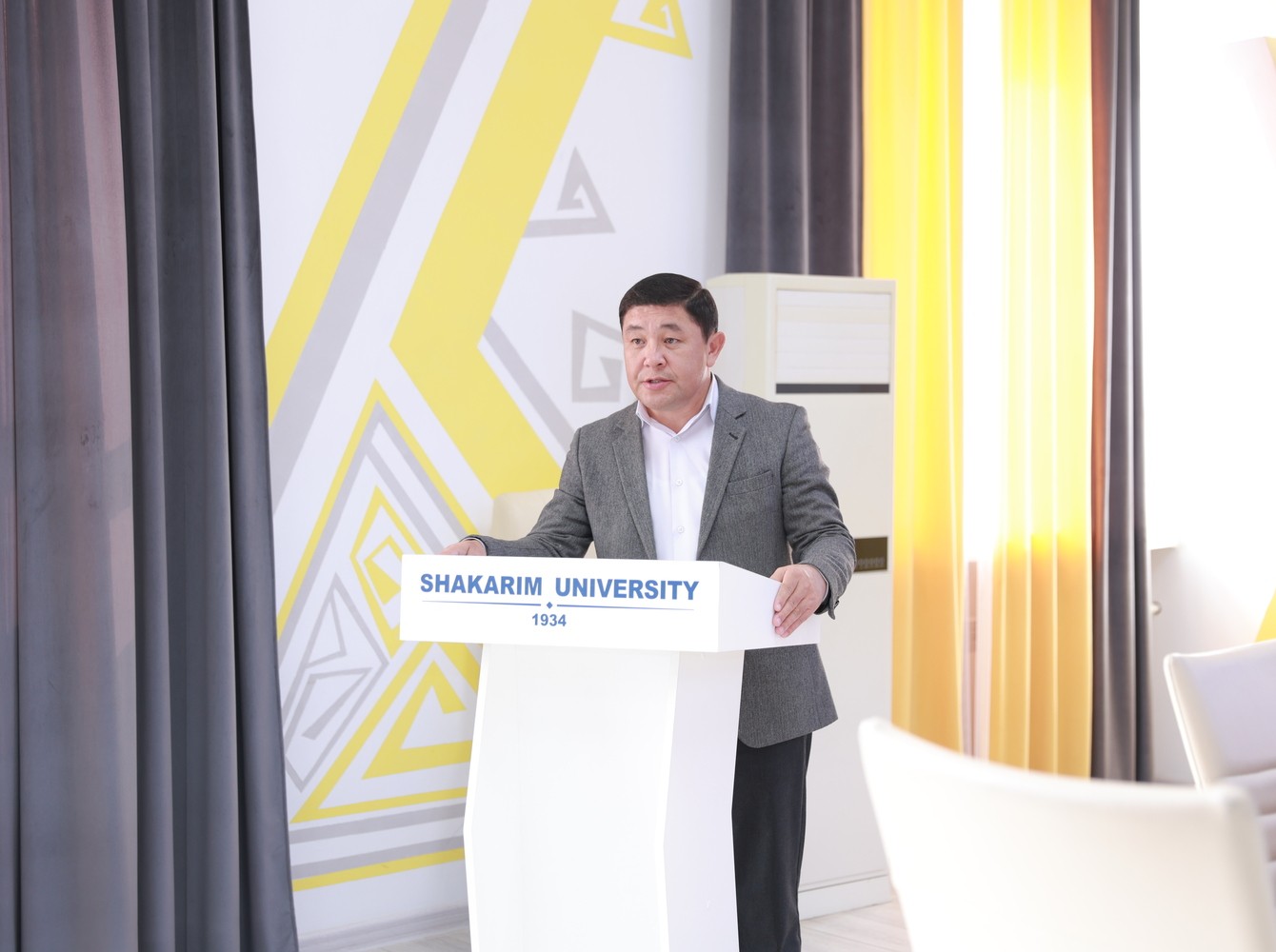
A.Kh. Akan Ongaruly, general director of Margulan Institute of Archaeology, candidate of historical sciences, opened. He presented the congratulatory speech to Askar Kasymov, vice-rector for strategy and social development of Shakarim University. Kairat Sabyrbay, director of the regional historical and local history museum of Semey city, expressed his best wishes to the participants.
The results of archaeological exploration and research in Abay region were widely discussed at the meeting. Thanks to space surveys and field research, the information about the historical monuments in the region is quite complete. Initially, only nine monuments were known in the Abay district, but during subsequent research, more than a thousand archaeological objects were identified, and 475 of them were included in the research work. At the same time, five research groups conducted exploration of monuments related to the Stone, Bronze, Early Iron Ages, the Middle Ages and the ethno-archaeological heritage of the Kazakh people. In addition, archaeological excavations were carried out in a number of objects"- said Akan Ongaruly.
In their speeches, the participants noted the importance of identifying historical monuments, as well as their preservation and scientific circulation. In this regard, the work of scientist Viktor Mertz was specially appreciated. The work of a scientist who conducted research at his own expense and contributed to the identification of many valuable monuments and the preservation of historical heritage was cited as a bright example of research responsibility. Viktor Merts, director of the United Archaeological Research Center named after Margulan, highlighted a number of results of the study of the Stone Age in the Abay region. He presented the features of the Koken, Zhalpak 1, Zhalpak 3 and Zhetyzhar (Semiyarka) settlements, the artifacts found in these objects, and research data on the lifestyle of the ancient inhabitants.
One of the main cores of the report was the Zhetyzhar (Semiyarka) settlement. This large Late Bronze Age settlement is unique in terms of its size and planning, as well as its subsistence system, on the Eurasian steppe. The monument with an area of about 140 hectares was opened in 2000. Research in the settlement has been going on for several years.
According to Viktor Mertz, in the central part of the settlement territory there is a private building that may have been used for public purposes. Researchers are looking into its function, including the possibility that it was a place of worship. The scientist also noted the possibility of building a special dome structure for the protection and display of excavation works at the new stage of the monument research. Such a decision would pave the way for the preservation of the archaeological site and the organization of research at the international scientific level.
The scientific significance of the Zhetizhar settlement is recognized at the international level. The results of research on the monument were published in the British scientific journal Antiquity. Also, scientists from Xi'an University of China paid attention to Semiyarka during the study of major archaeological discoveries along the Great Silk Road. Chinese scientists included it among the best innovations in the direction of the Great Silk Road in 2025 and invited Viktor Mertz to give a lecture about this monument.
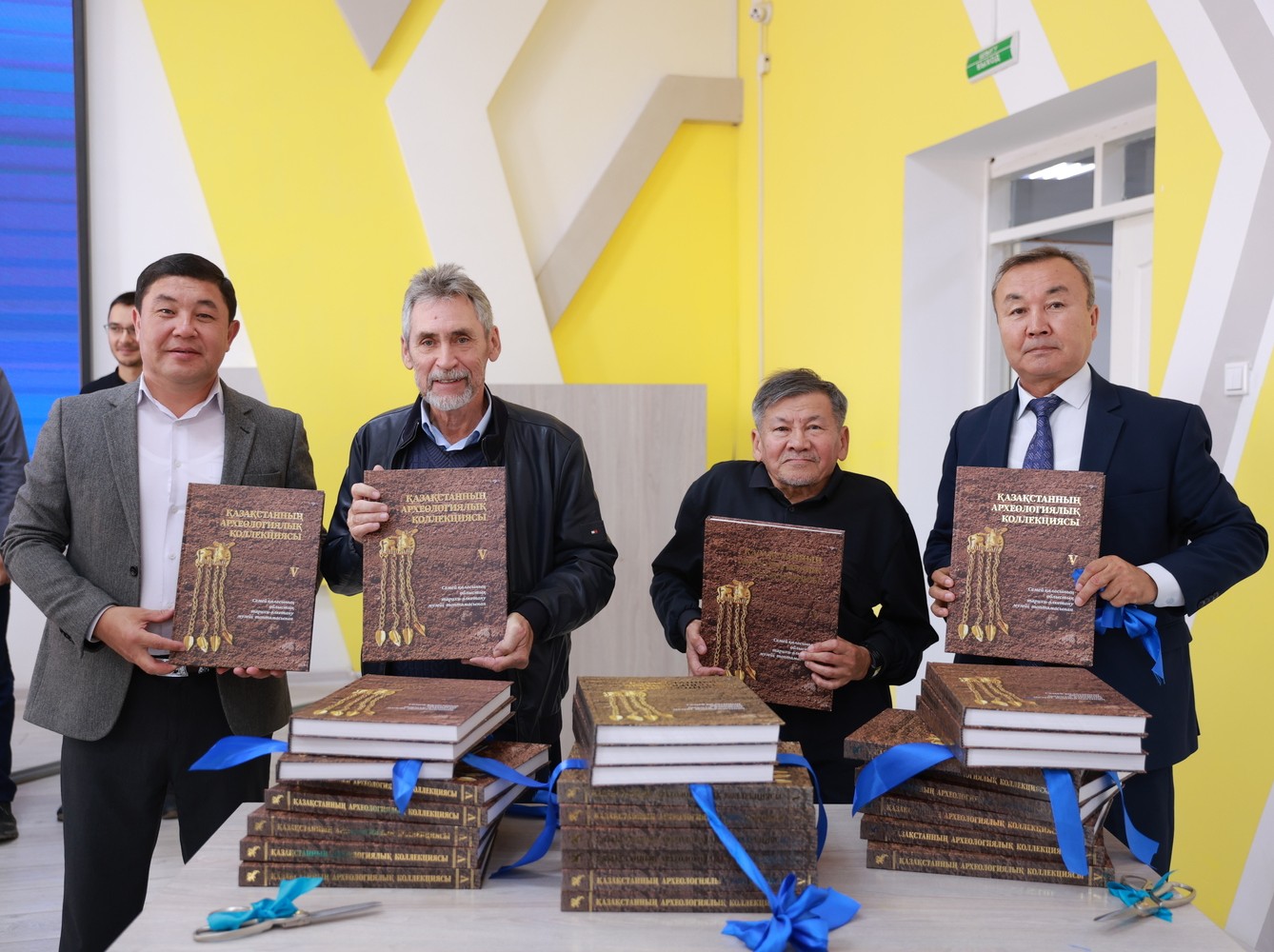
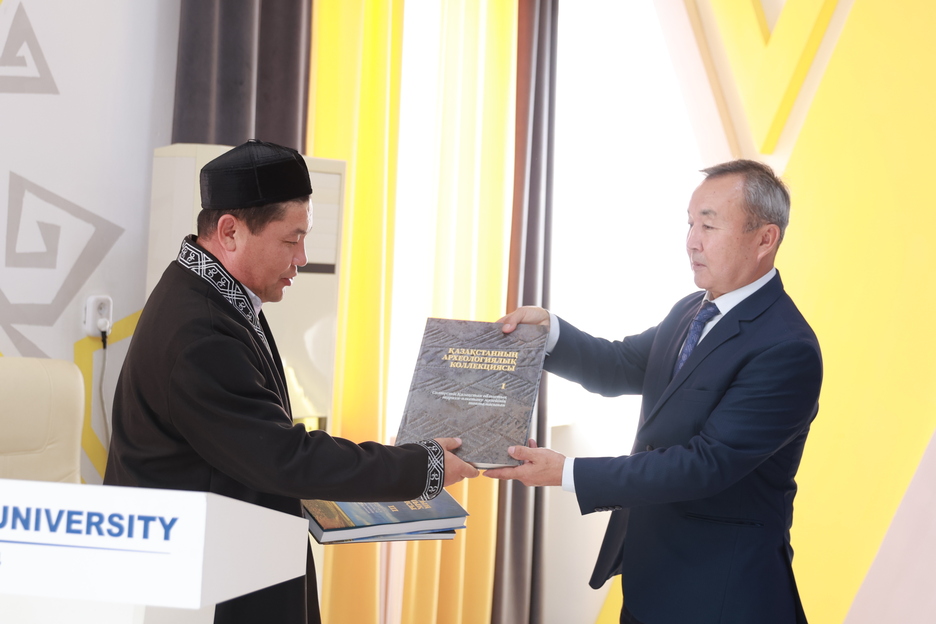
A.H. The head of the physical anthropology laboratory of the Institute of Archeology named after Margulan, Ramazan Januzak, spoke about the study of paleoanthropological materials belonging to the Hun-Sanbi period in the Kazakh Altai. The scientific results in this direction allow to study the history of the ancient inhabitants in depth and to consider the historical development of the region in a comprehensive way, combining the data of related sciences such as archeology and anthropology. The presentation ceremony of the fifth volume of the scientific catalog "from the collection of the regional historical and local history museum of Semey" was held. The publication prepared within the framework of the scientific project BR24992916 is aimed at introducing archaeological materials stored in museum funds into scientific circulation and expanding the scope of sources necessary for the study of the ancient history of the region.
The reports presented at the round table showed that the historical and archaeological heritage of Abay region still needs in-depth research.
At the scientific gathering, the importance of comprehensive research of historical monuments, introduction of archaeological finds into scientific circulation and their preservation for future generations was determined.