Historical continuity in the great steppe

The Council of Veterans of Shakarim University held a round table on the topic "The Golden Horde and today's Kazakhstan: historical continuity".
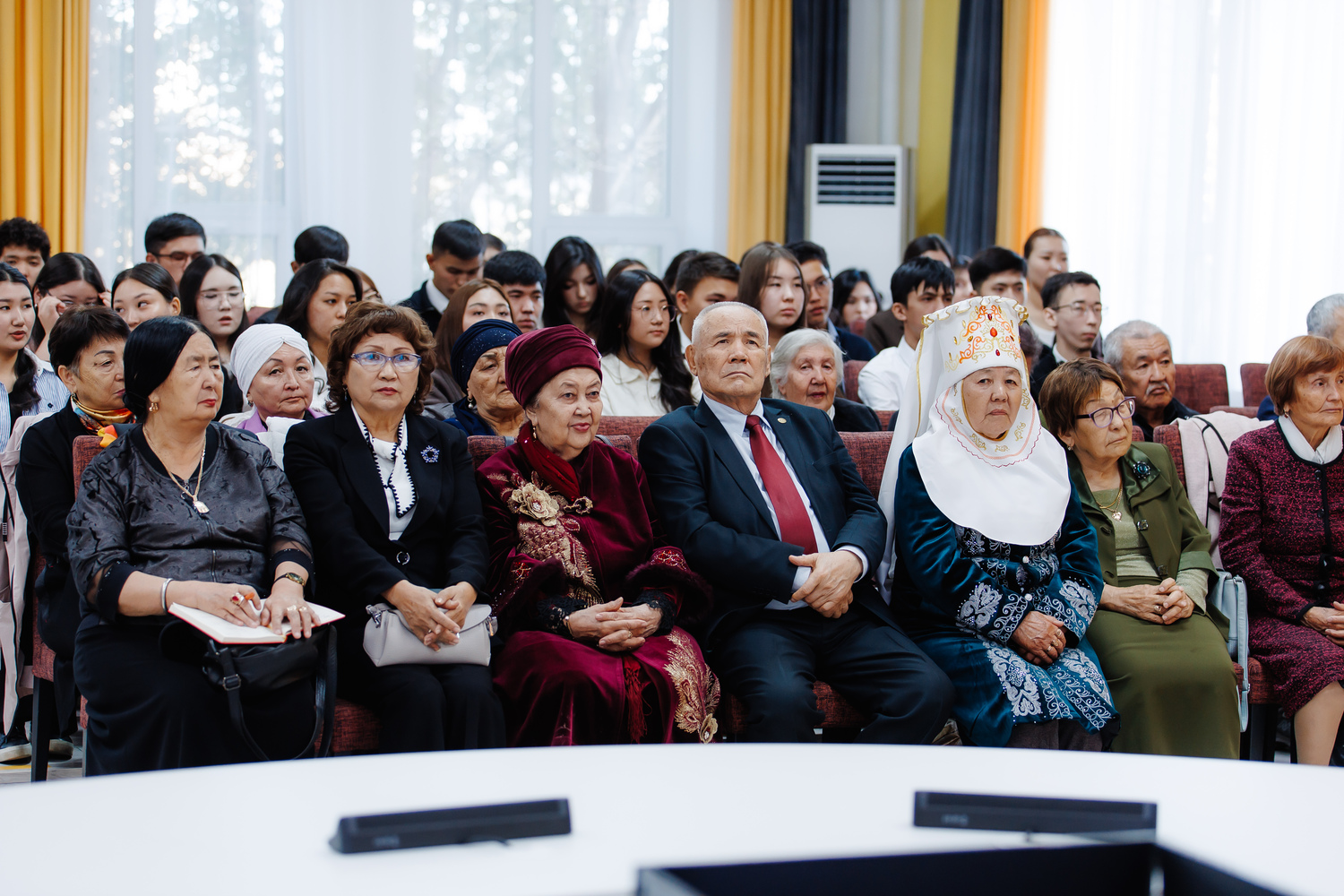
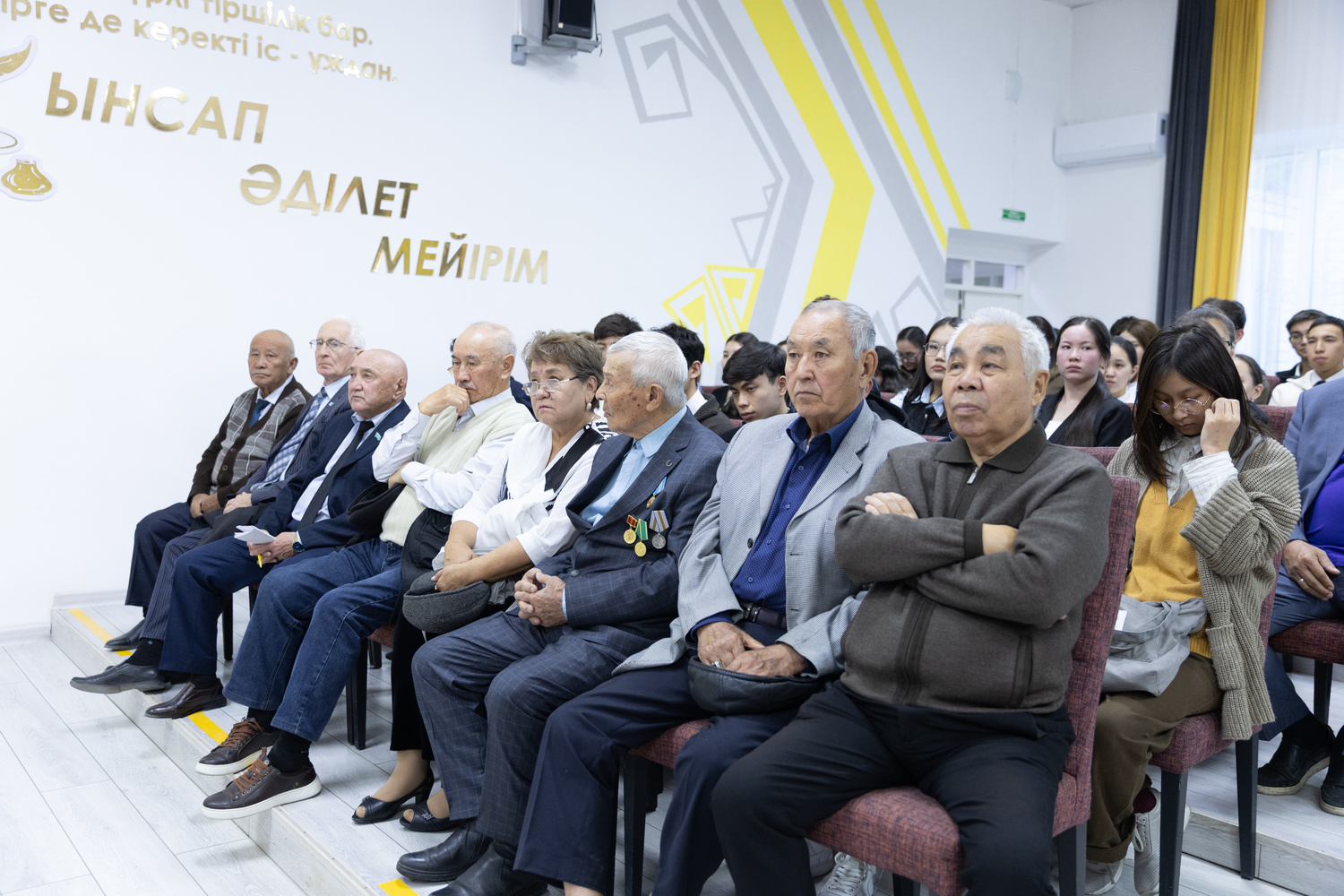
On the eve of the International Day of the Elderly, the event organized by the initiative of the Semey City Veterans Council took place within the ten-day period "Respect to Veterans: Succession of Generations and National Values". The meeting was attended by members of the city council of veterans, historians-scientists, professors and young students.
The event was conducted by Kumarbek Amirkhanov, doctor of technical sciences, professor, chairman of the Council of Veterans of Shakarim University.
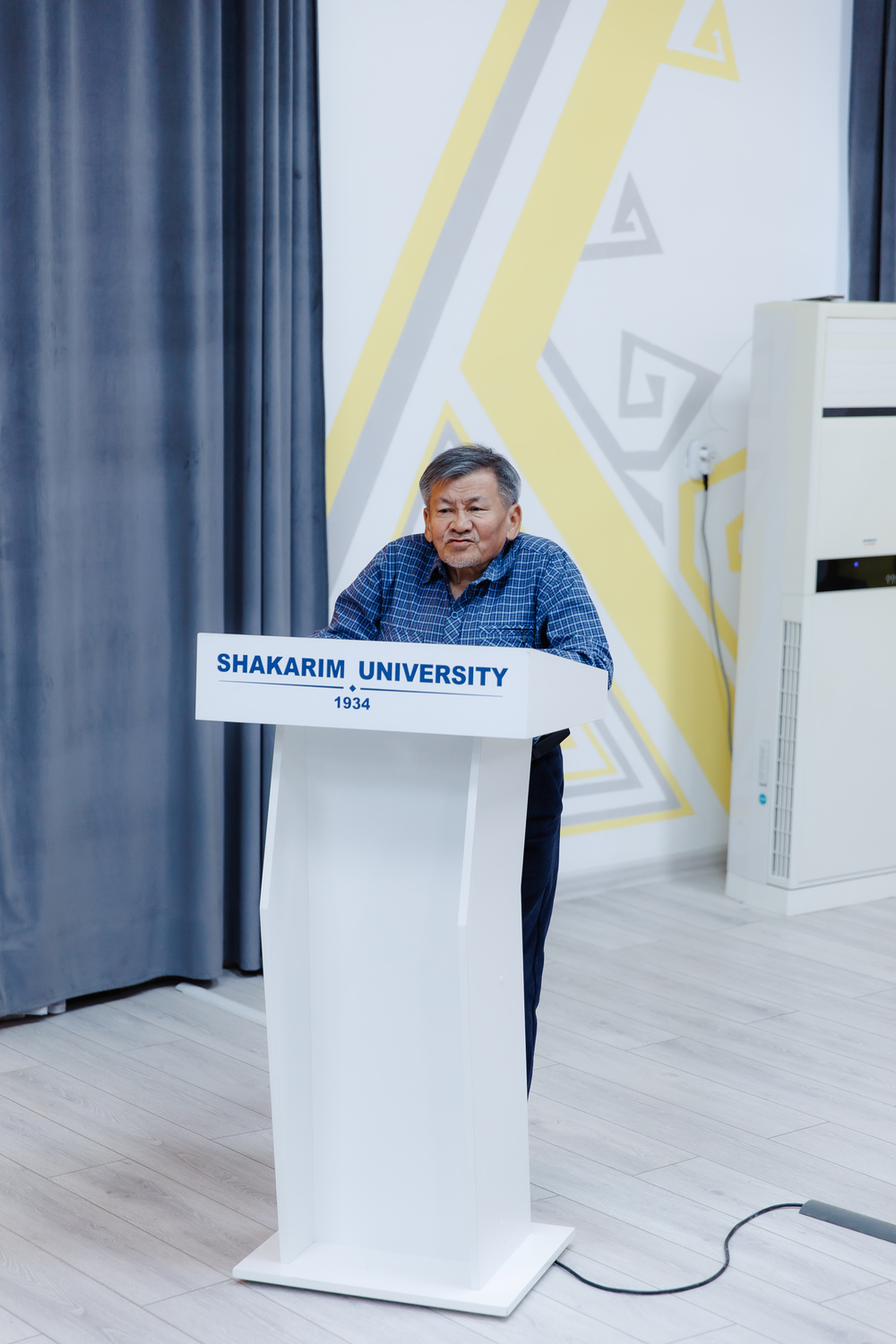
At the round table, candidate of historical sciences, professor Amantai Isin gave a speech on the topic "The Golden Horde and its successors in history" and participated in the history of the "Golden Horde". focused on the importance of output data. According to the scientist, the history of the territories and peoples of the Golden Horde is closely connected with the Great Steppe civilization.
The Golden Horde, one of the largest states that existed between the 13th and 15th centuries, was created based on the greatness of Joshi, the eldest son of Genghis Khan. The state was founded by Batu Khan, and its territory covered a large part of the Eurasian steppe.
- Central steppe - Deshti-Kipchak is divided into East and West Deshti-Kipchak. The main part of Eastern Deshti-Kipchak belongs to the territory of modern Kazakhstan. This period occupies an important place in the ethnic and historical formation of the Kazakh people. The construction of a family in the Kazakh steppe by the son of Joshi is also an important manifestation of this continuity. Therefore, we have every right to call ourselves the heirs of the Golden Horde,- said Amantai Isin.
The professor considered the era of the Golden Horde as an integral part of the history of the Great Plain and emphasized the importance of studying its historical heritage.
Veteran of the field of culture, public figure Kusmiliya Nurkasym discussed the study of the history of the Golden Horde in the Soviet period and keeping it in our historical consciousness. According to him, in that period there were limited opportunities to express a positive opinion about a historical figure like Abylai Khan, let alone Chinggis Khagan. He especially noted the work of Ilyas Esenberlin in the revival of the history of the Golden Horde in the Kazakh mind.
- It was Ilyas Esenberlin who first brought the light of the Golden Horde into our minds. In 1979, the writer's historical novel-trilogy "Golden Horde" flashed like lightning in the Kazakh sky. True, this was not a scientific study, and it was a work of art written in the era of strict censorship, inhibition and repression, without sharp words. Nevertheless, we must note that it was not only cognitive, but also political-social in significance for us, - said Kusmiliya Zyrgalyuly.
Also, he touched on the ideological restrictions of the Soviet period related to the study of the history of the Golden Horde, and said that it influenced the study of the common historical heritage of the Turkic peoples. One of them is the resolution of the Central Committee of BK(b)P issued on August 9, 1944 "On the state of mass-political and ideological work in the Tatar party organization and measures to improve it" In it, justifying or describing the history of the Golden Horde in a positive light is recognized as a "nationalistic mistake" and is prohibited.
If we talk about the main meaning and consequences of this document, it was strictly forbidden to study and publish the heroic song of the Turkic peoples (Kazakh, Tatar, Nogai, etc.) - the saga "Edige Batyr", because it was directly related to Edige Tokhtamys Khan and the history of the Golden Horde.
This decision affected not only Tatarstan, but all the allied republics. After this document, Alkei Margulan, the father of Kazakh history, was subjected to political persecution for studying the poem "Edige", and academician Kanysh Satbaev for publishing the epic "ER Edige". Also, this ideological pressure opened the way for Yermukhan Bekmakhanov's works on the Kenesary movement to be subjected to repression. Today, he is a source of pride and a spiritual example for us," he concluded.
Mukhtarbek Karimov, candidate of historical sciences, professor of Shakarim University, also expressed his opinion on the subject.
During the round table, the participants exchanged opinions on the history of the Golden Horde and its place in Kazakh statehood and national historical consciousness. Special attention was paid to the scientific study of the historical heritage and its transmission to the younger generation.