Science, security and peaceful atom
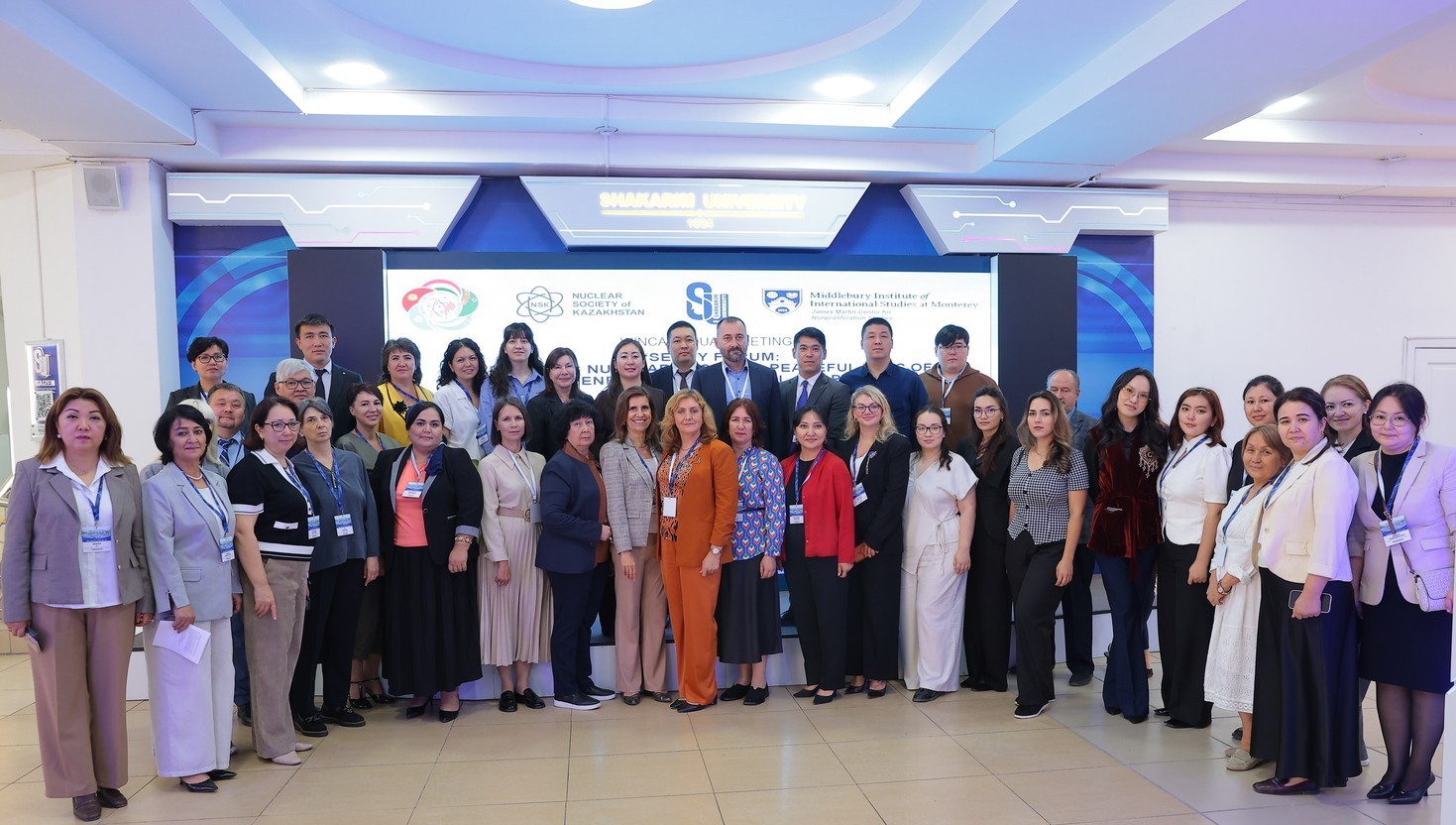
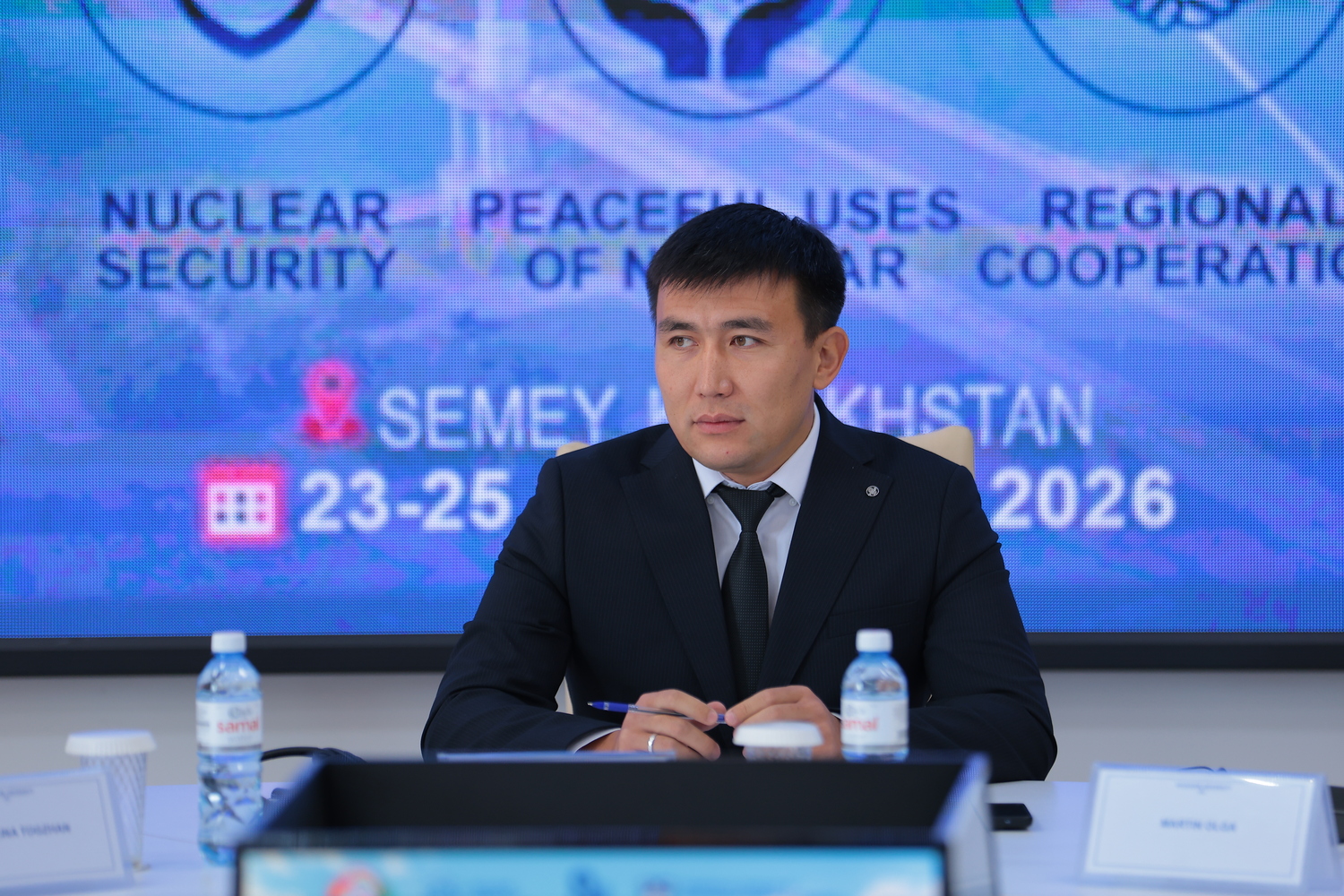
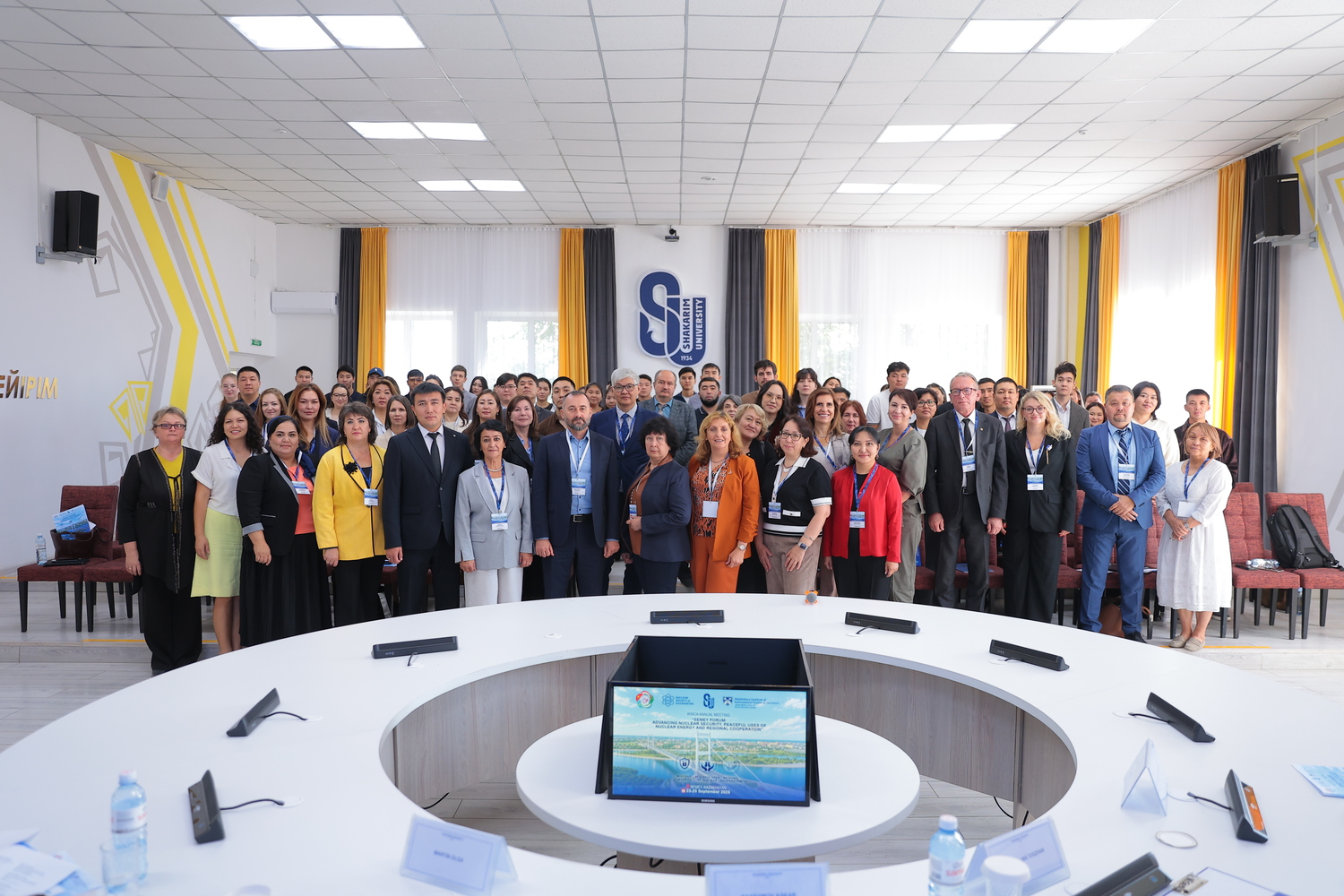
From September 23 to 25, Shakarim University hosts the international forum “Family Forum: Strengthening Nuclear Security, Peaceful Use of Nuclear Energy and Regional Cooperation.” The event was organized by the Women in Nuclear Central Asia Network (WINCA - Women in Nuclear Central Asia).
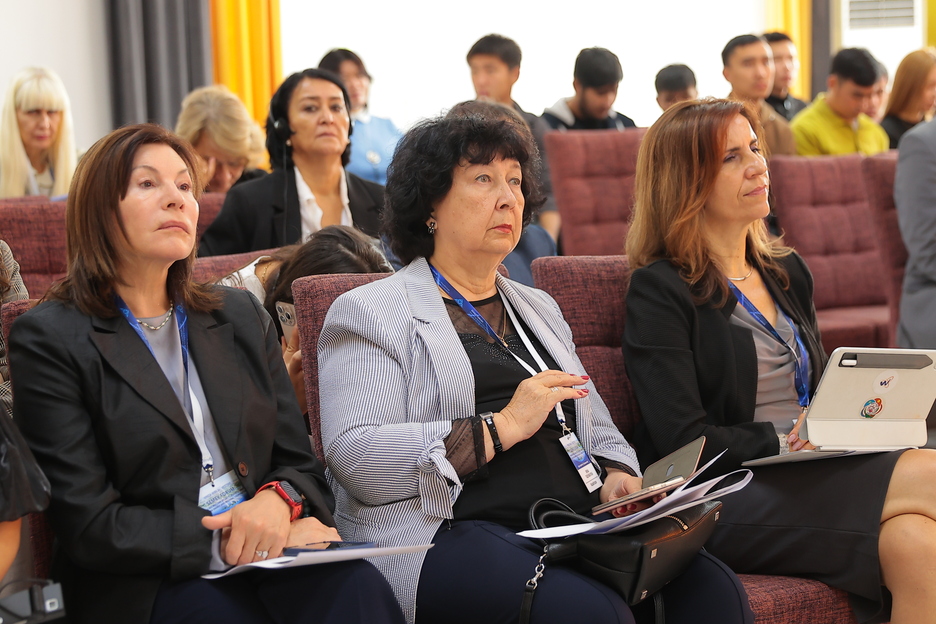
The three-day forum brought together experts from the United States, Central Asian countries and other regions, scientists, representatives of the academic community, government agencies, international organizations, nuclear industry specialists, students and young professionals, becoming a platform for professional dialogue and exchange of opinions.
During the event, participants discussed issues of ensuring nuclear safety, peaceful use of nuclear technologies, training personnel for the nuclear industry, introducing international standards and strengthening regional cooperation. The forum program included expert panel discussions, technical presentations and special sessions for students.
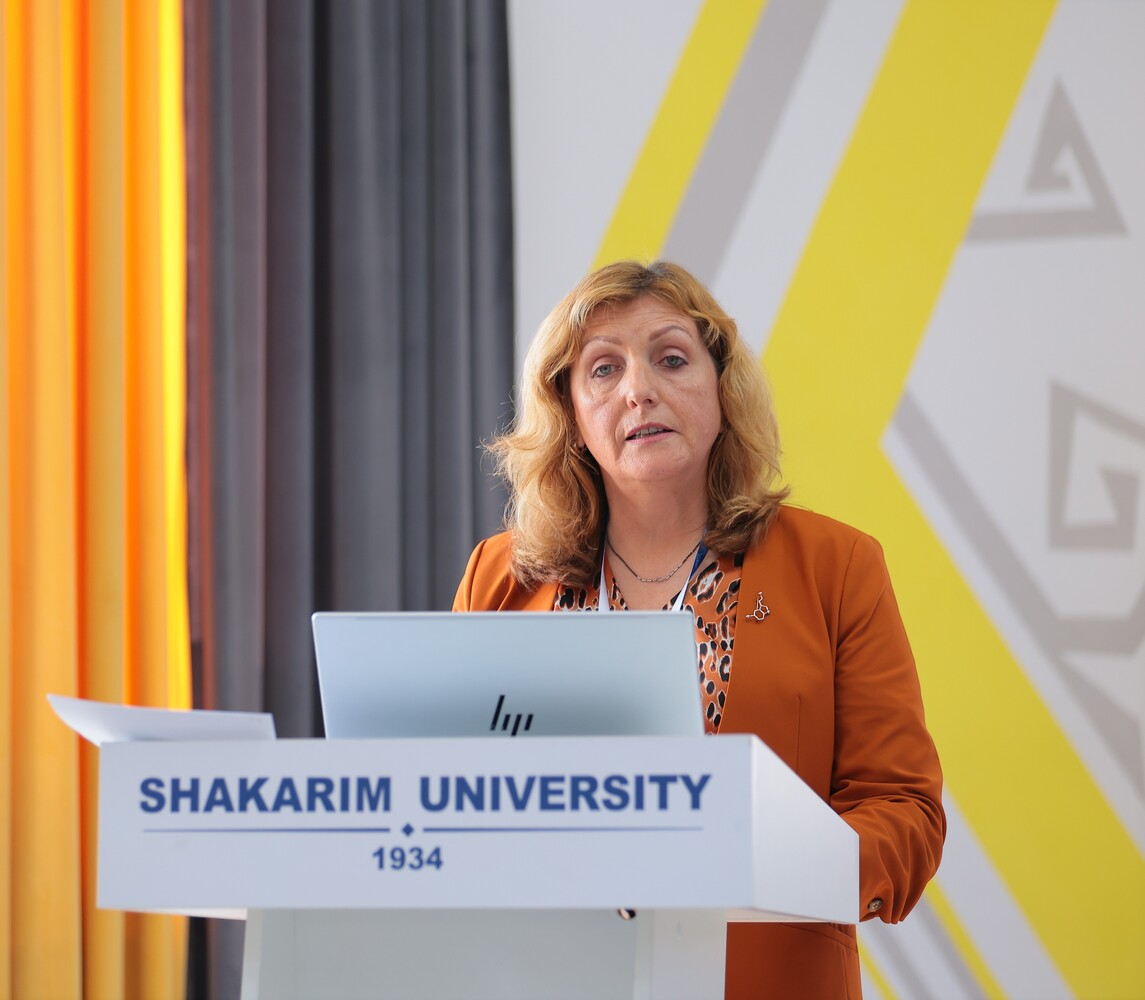
Forum coordinator Margarita Kalinina-Pohl expressed gratitude to the Kazakhstan Nuclear Society for their joint work in organizing the event.
“Today’s meeting has special significance. This year marks the 35th anniversary of the closure of the Semey nuclear test site. This date gives us the opportunity not only to reconsider the history and legacy of nuclear testing, but also to discuss ways to create a safe nuclear future,” she noted.
Margarita Kalinina-Pohl is director of the Chemical, Biological, Radiological and Nuclear Security Program at the James Martin Center for Nuclear Nonproliferation Studies at the Middlebury Institute of International Studies in Monterey (California, USA).
According to her, one of The key ideas of the forum are the formation of a bridge to the future, and a special role in this process belongs to young people. The event also presented the activities of WINCA, a network uniting women and men working in the nuclear and related fields of Central Asia.
On behalf of Shakarim University, the forum participants were welcomed by Vice-Rector for Strategy and Social Development Askar Kasymov. He emphasized the special importance of holding an international event in Semey.
“Holding this forum on the sacred land of Abay, in a region that is well aware of the history and consequences of nuclear tests, has deep meaning. Therefore, our university sets itself the task of actively participating in the development of peaceful nuclear energy and ensuring global nuclear safety,” noted Askar Bagdatovich.
The vice-rector also spoke about the university’s experience in the nuclear industry. Shakarim University has maintained close cooperation with the National Nuclear Center of the Republic of Kazakhstan for more than 30 years.
“Over these three decades, our university has made a significant contribution to scientific research and, above all, to the training of highly qualified specialists for the nuclear industry. The goals of the forum related to improving the training system and supporting women’s leadership in the nuclear field are fully consistent with the mission of our university,” said the vice-rector.
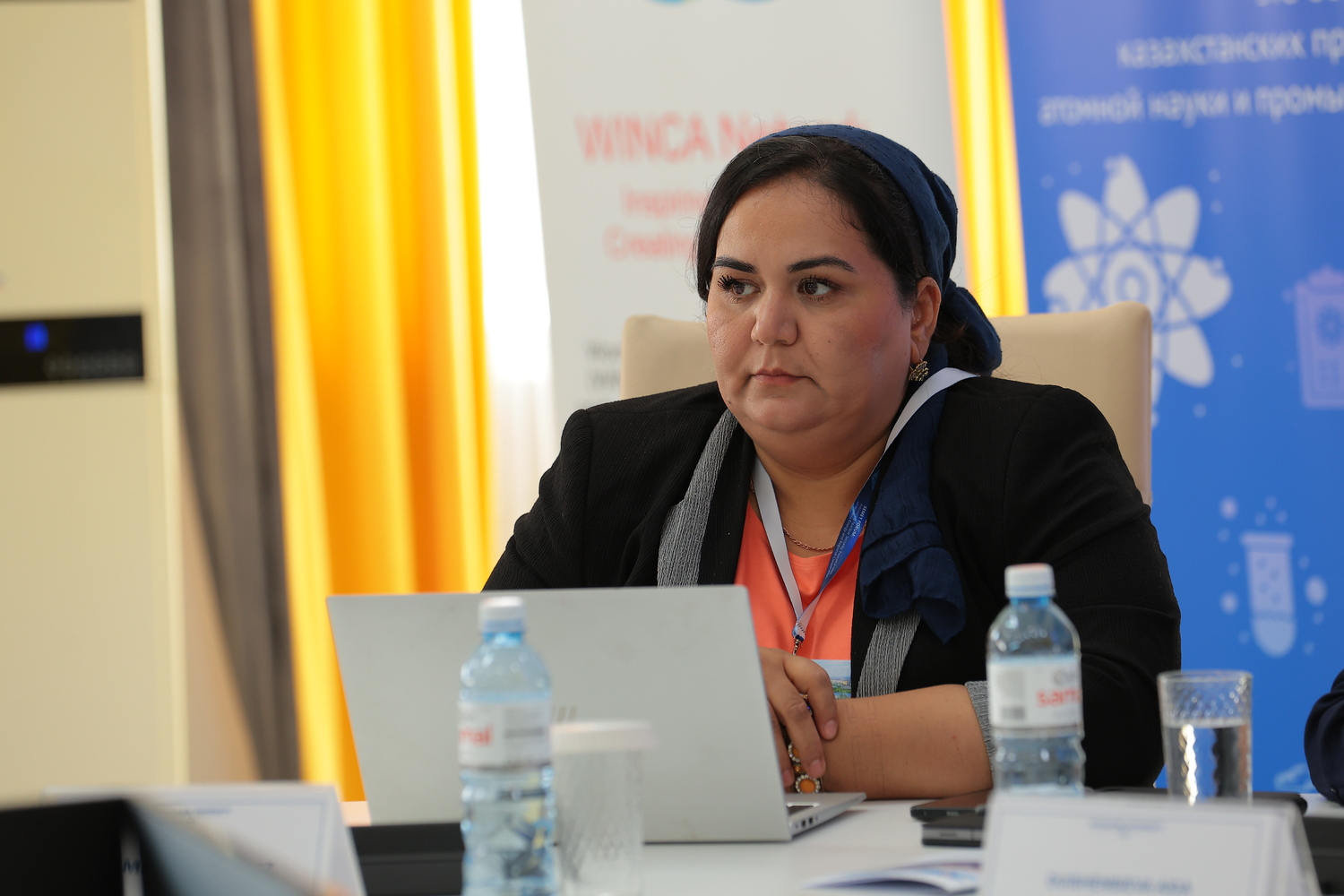
WINCA President Togzhan Seifullina noted that ensuring nuclear safety is a common task not of individual states, but of the entire international community.
According to her, the safe use of nuclear technologies requires not only a high level of professional training, but also mutual trust between states, open dialogue and close cooperation.
Particular attention in the scientific program of the forum was paid to the role of science in strengthening nuclear security and the nuclear non-proliferation regime. Chairman of the Board of the Kazakhstan Nuclear Society Association Irina Tazhibaeva emphasized the importance of scientific research for the nuclear safety system.
In her opinion, scientific achievements make it possible to ensure the safe operation of nuclear facilities, improve control of nuclear materials and develop non-proliferation mechanisms. At the same time, international scientific cooperation helps to strengthen trust between states and creates opportunities for joint solution of common problems.
The professor also noted the importance of such mechanisms as joint monitoring of the state of the environment, exchange of research results and the involvement of scientists from different countries in the implementation of international scientific projects. According to her, it is precisely such tools that contribute to the formation of open and sustainable cooperation.
One of the key areas of the forum was the training of a new generation of specialists for the nuclear industry. Students and young professionals had the opportunity to communicate directly with experts, discuss current issues of nuclear safety and nuclear energy, as well as get acquainted with the prospects for scientific activity and international cooperation.
This format not only strengthens professional ties between experienced specialists and future personnel, but also expands opportunities for young people interested in scientific and professional activities in the nuclear industry.
A feature of the forum was the combination of theoretical discussions with the opportunity for participants to directly get acquainted with the nuclear history and scientific potential of the region. As part of the program, guests will visit the National Nuclear Center of the Republic of Kazakhstan and get acquainted with the territory of the former Semipalatinsk nuclear test site.