A Laboratory for the Study of Historical Artefacts Opens at Shakarim University
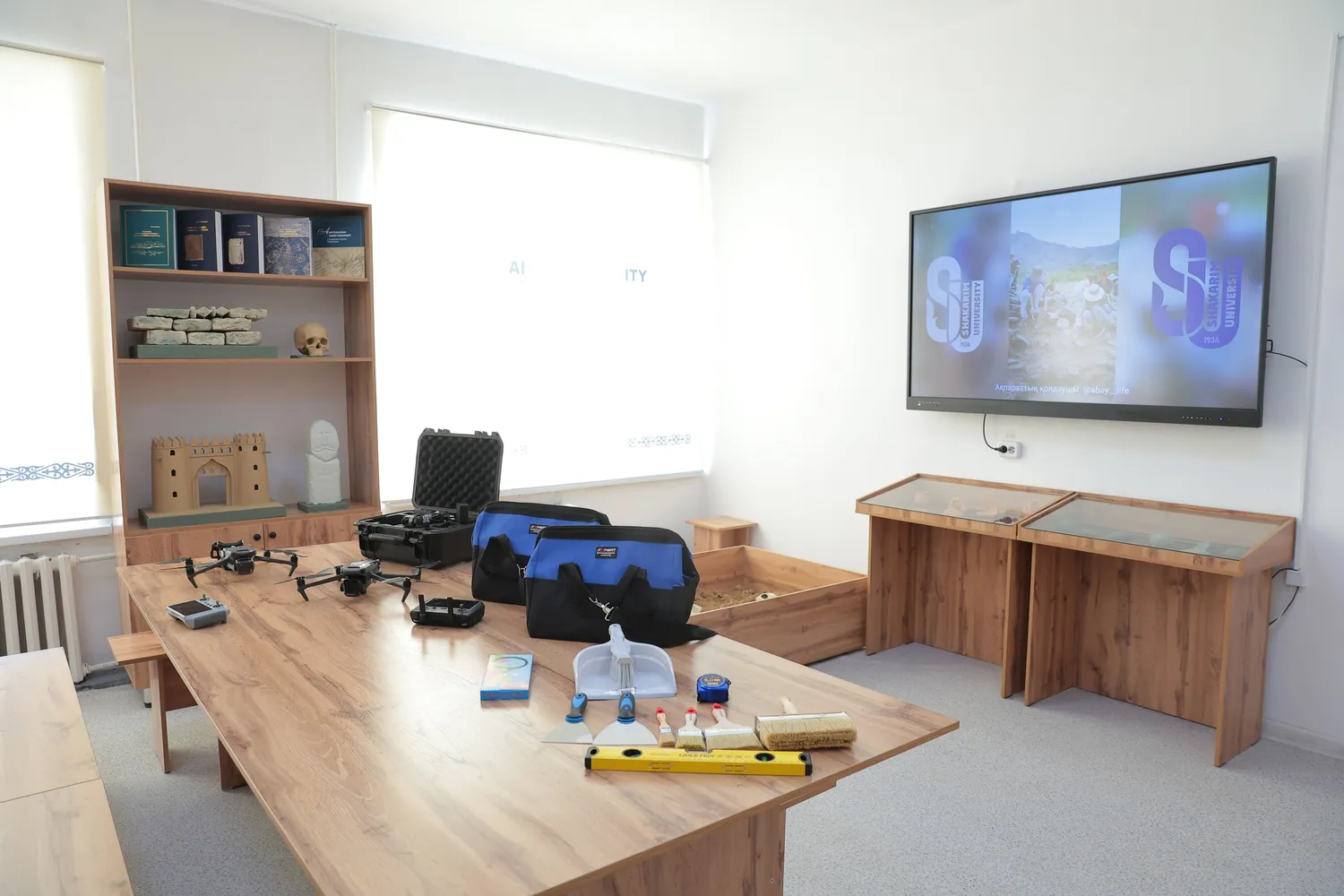
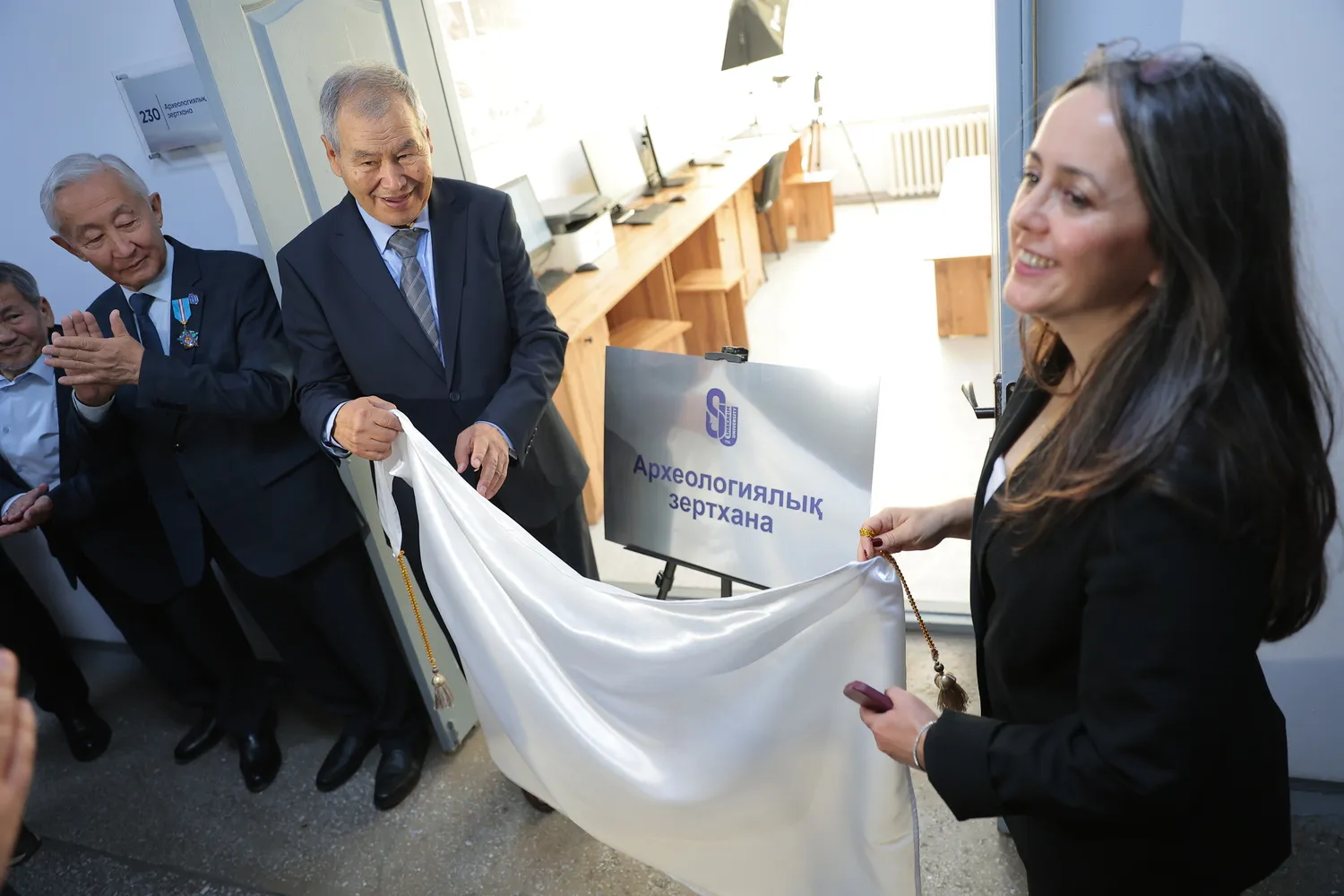
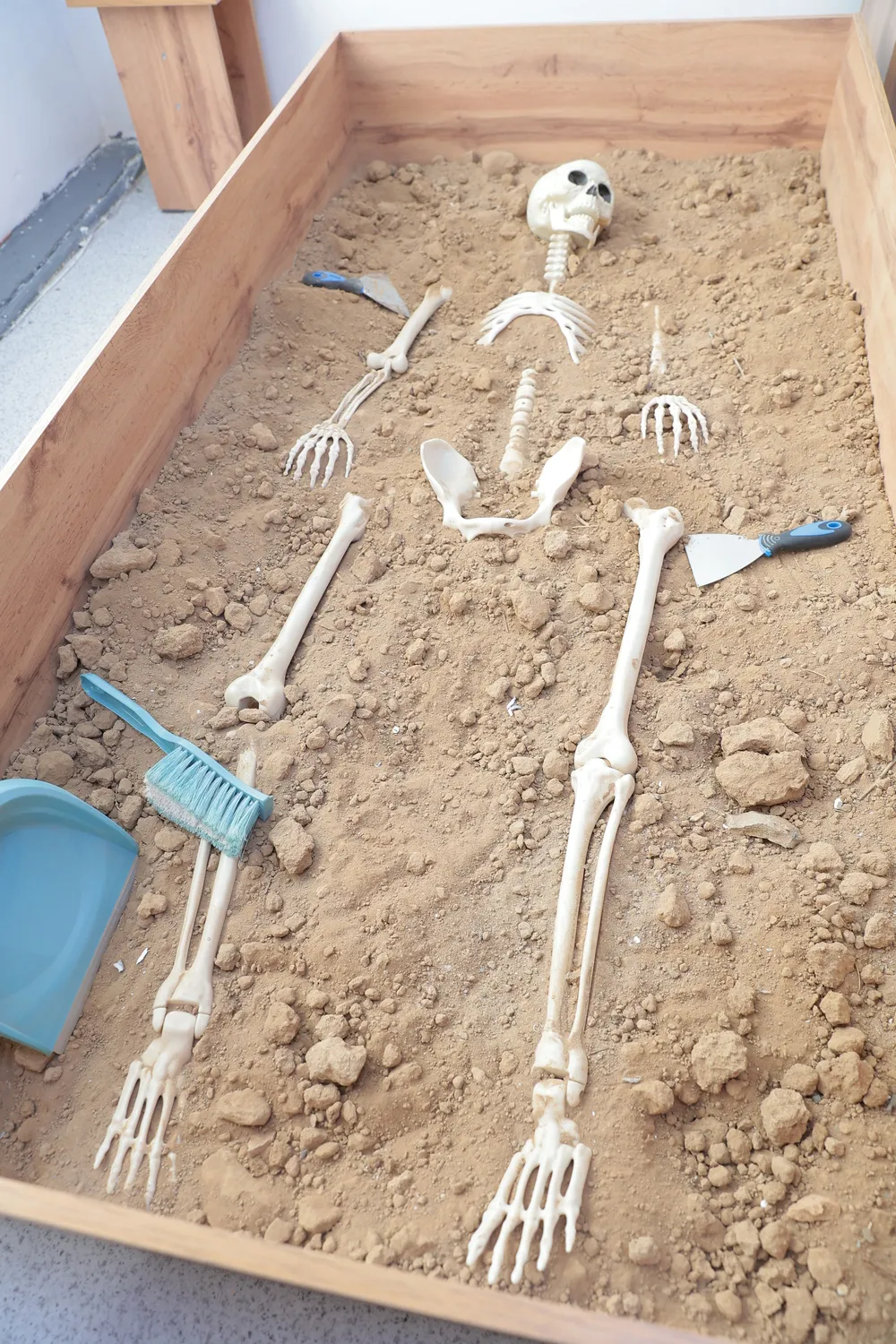
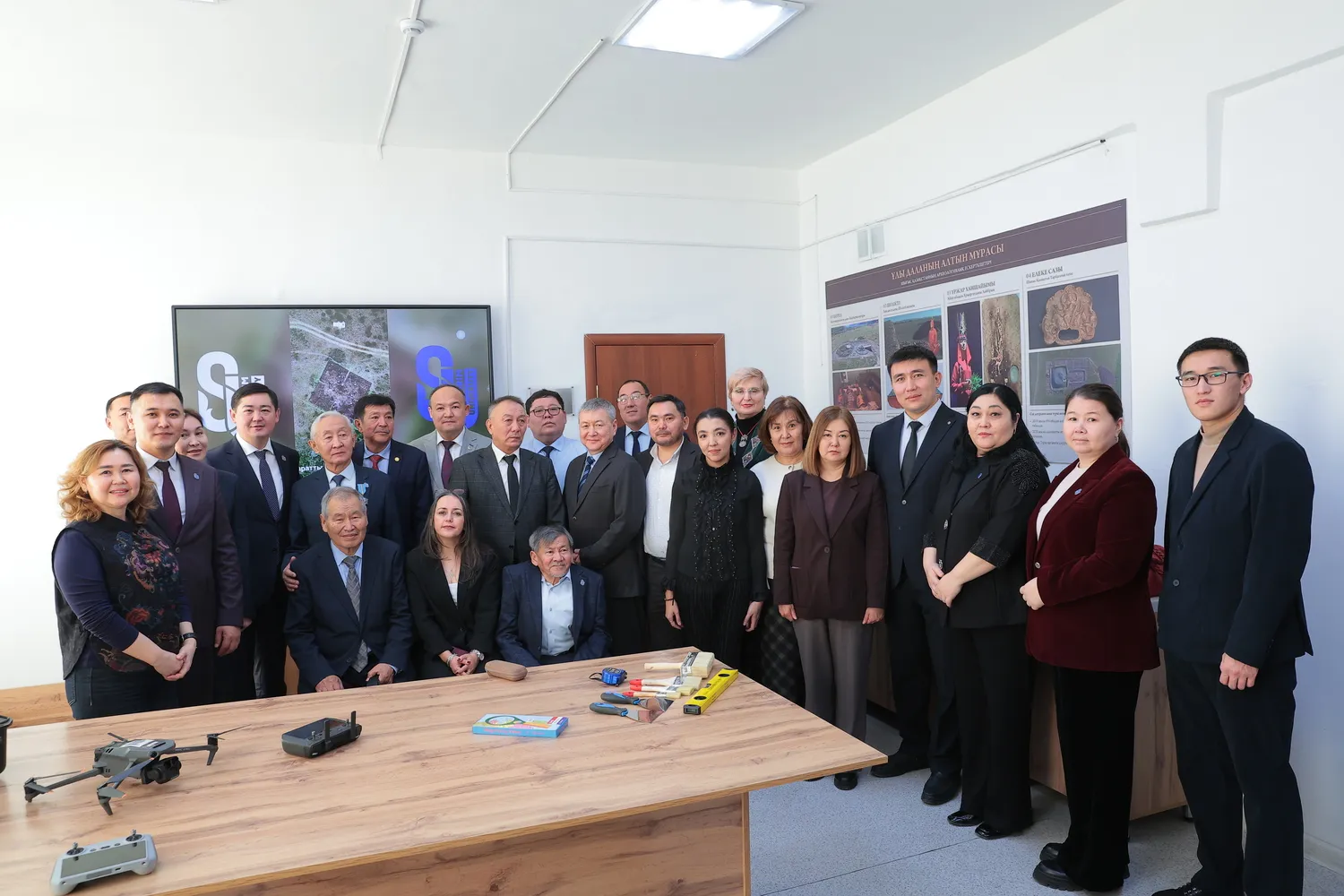
Today, Shakarim University held the official opening ceremony of its Archaeological Laboratory. The new research facility will provide opportunities to study the historical and archaeological heritage of Abai Region, conduct scientific examinations of artefacts discovered during archaeological excavations, and strengthen the practical training of future archaeologists.
In recent years, research into the historical and archaeological sites of the Abai Region has gained considerable momentum. Scientific projects and programmes implemented by Shakarim University in collaboration with the country's leading research institutes have made a significant contribution to these efforts. The opening of the new laboratory will further advance research in this field and provide opportunities to systematise scientific findings.
The honour of officially inaugurating the laboratory was bestowed upon Elvin Yıldırım, Doctor of Historical Sciences, Professor, Chief Research Fellow at the Ch. Ch. Valikhanov Institute of History and Ethnology, Honorary Academician of the Academy of Sciences of Kazakhstan, as well as PhD, Associate Professor and Head of the Department of History and Archaeology at Istanbul Aydın University.
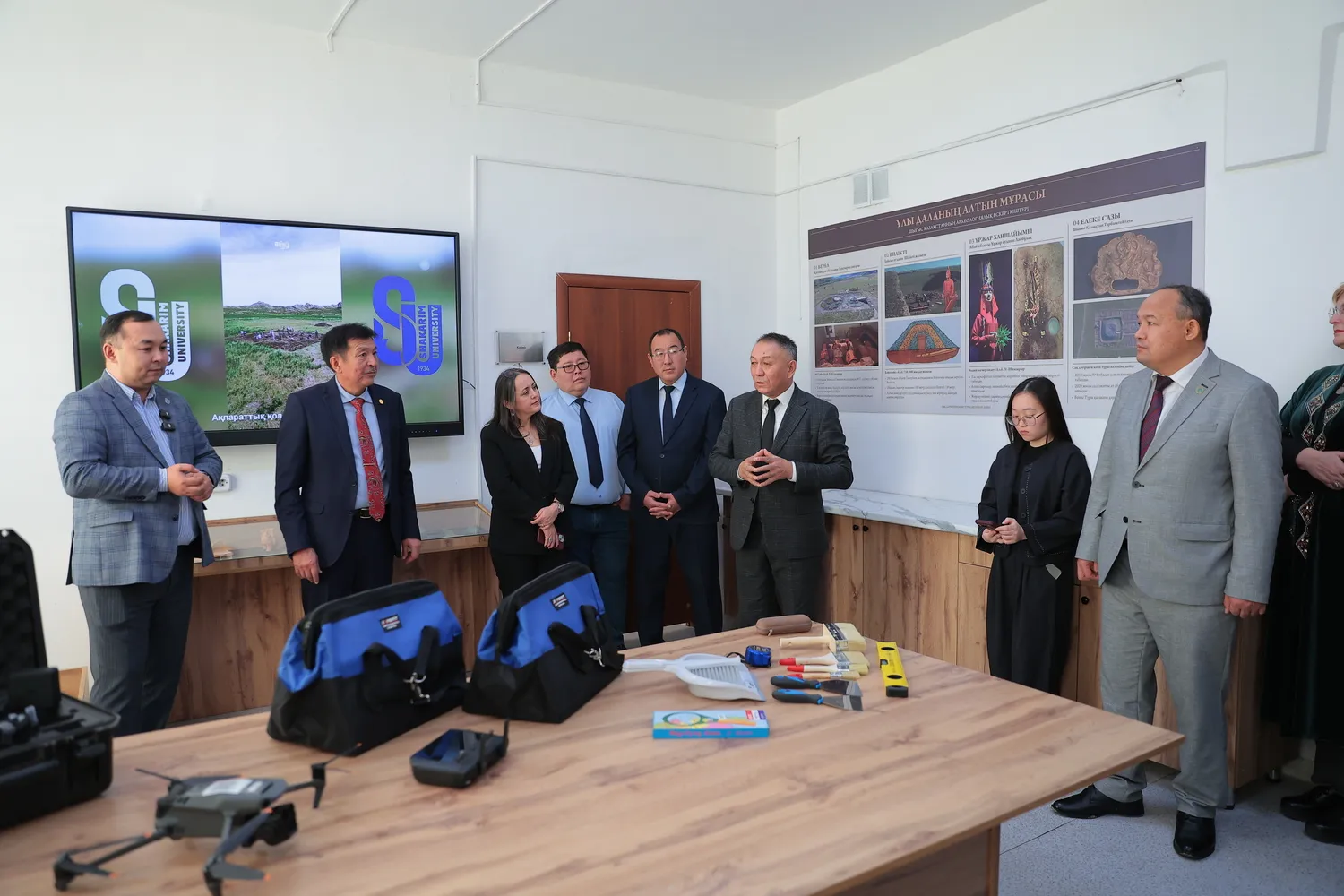
Following the ceremony, Botabek Tokishkadyrov, Head of the Department of History and Art, introduced the guests to the laboratory's main areas of activity and technical facilities.
The new laboratory will serve not only as an important centre for the study and preservation of archaeological finds but also as a practical training facility for students. Here, students will have the opportunity to work directly with artefacts recovered during excavations and develop skills in their scientific description, classification and analysis. The laboratory has been fully equipped with the necessary facilities through university funding and research projects.
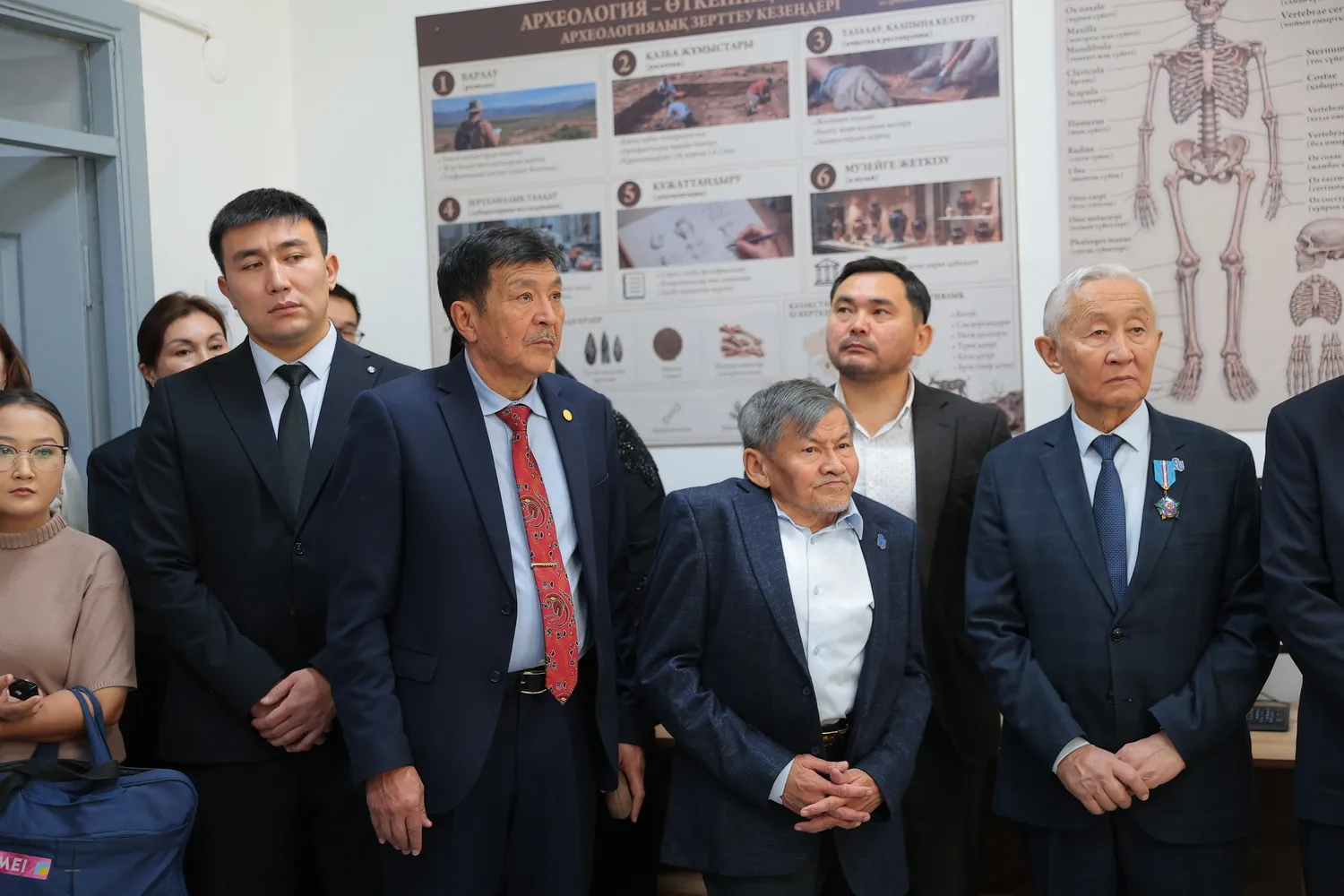
The opening ceremony was also attended by Kanat Yessenov, Candidate of Historical Sciences and Associate Professor at the Department of the Golden Horde at L.N. Gumilyov Eurasian National University. He noted that archaeological research at Shakarim University has a long-standing history.
"The opening of the Archaeological Laboratory at Shakarim University is certainly a welcome development. University lecturers have been involving students in archaeological expeditions since 1999. The first expedition was organised along the Shyngystau – Sarykol – Tekebulak route, followed by the Berel expedition in 2000. At that time, we worked alongside Doctor of Historical Sciences and Professor Abdesh Toleubayev, Zeynolla Samashev, Amantai Isin and Yerlan Sailaubay. Since then, archaeological expeditions have continued annually, yielding valuable results. The next important step is to bring these research findings together in a dedicated laboratory, ensure the preservation of the discovered artefacts, study them scientifically and introduce them to the younger generation. Amantai Issayevich Isin deserves great credit for his longstanding leadership in this field of archaeological research," the scholar noted.
Kanat Yessenov also emphasised that the historical and cultural heritage of the Semey region still requires extensive research, noting that the area has many sites with considerable potential for further archaeological exploration. In his view, the opening of the laboratory will make an important contribution to the development of archaeology in the region.
The establishment of the Archaeological Laboratory is also closely linked to the university's efforts to train specialists in archaeology and anthropology. Since 2025, the Department of History and Art has been offering the educational programmes "History and Archaeology" and "History and Anthropology", laying the foundation for professional training in these academic fields. In this way, Shakarim University is strengthening its position among Kazakhstan's higher education institutions that prepare specialists for the development of historical scholarship and archaeological research.
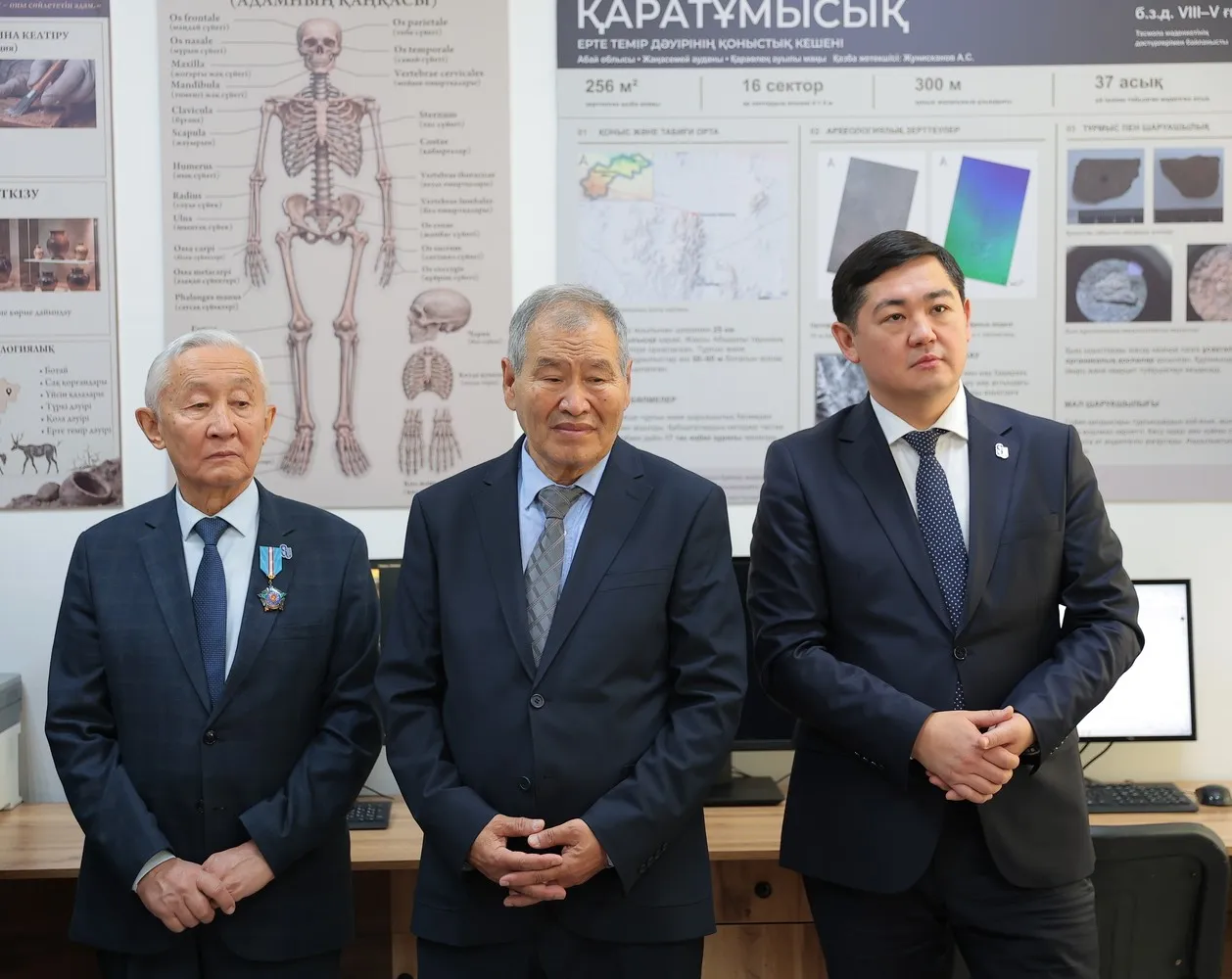
Over the past three years, university research projects have included archaeological excavations at the Karatumsyk settlement, recognised as one of the unique archaeological complexes in the Abai Region. The findings highlight the site's considerable research potential and indicate that further investigations will continue in the coming years. Today, the Karatumsyk complex is becoming a fieldwork and practical research site for the university's young historians and archaeologists.
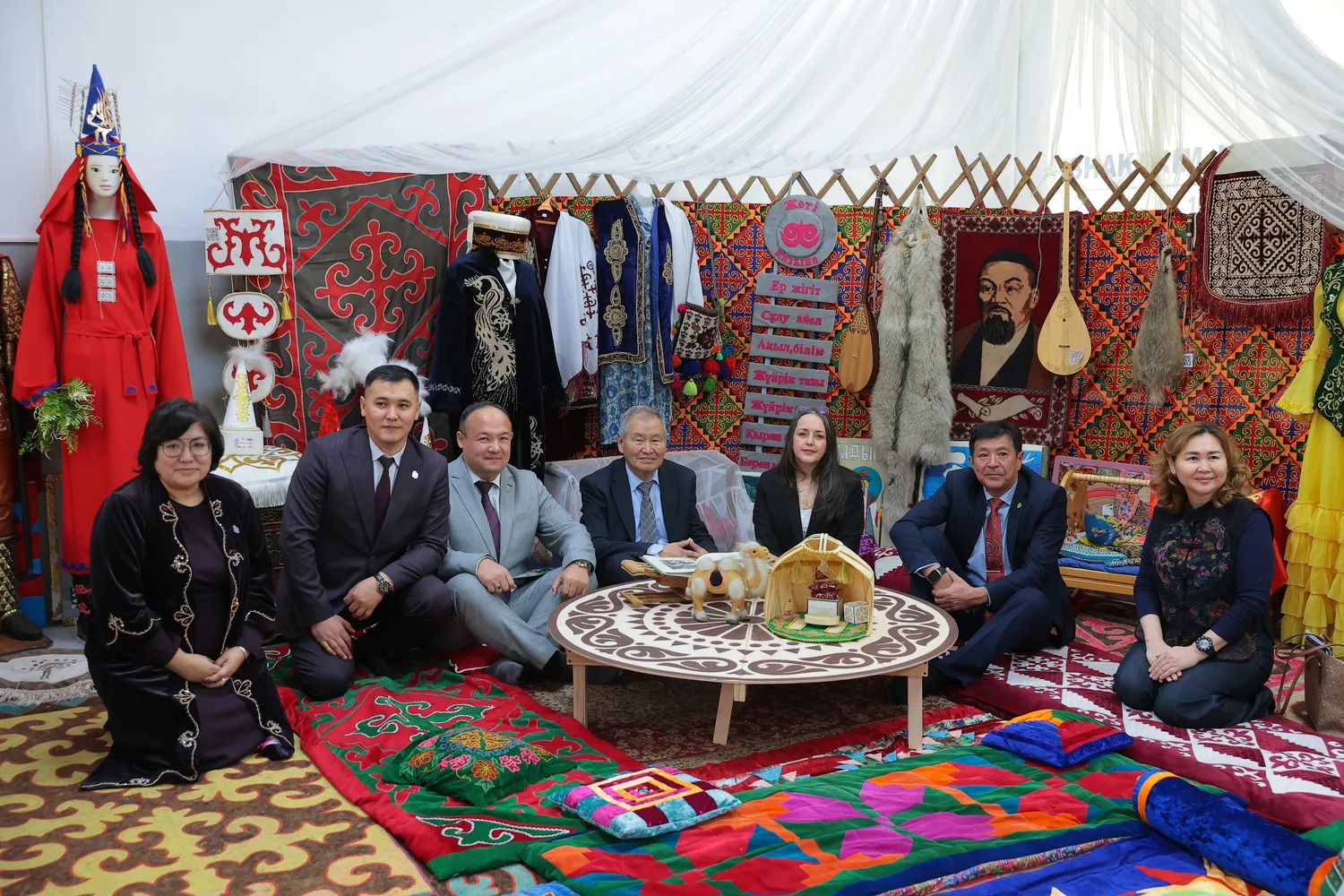
Following the opening ceremony, the guests, who had travelled from other regions and abroad, were introduced to the university's Ethnographic Museum. Established to promote national values, preserve the continuity of generations and showcase historical and cultural heritage, the museum houses a collection of historical and ethnographic artefacts. The guests explored the exhibits and learned about the university's efforts to preserve and promote the region's cultural heritage.