An educated nation is the basis of a just society
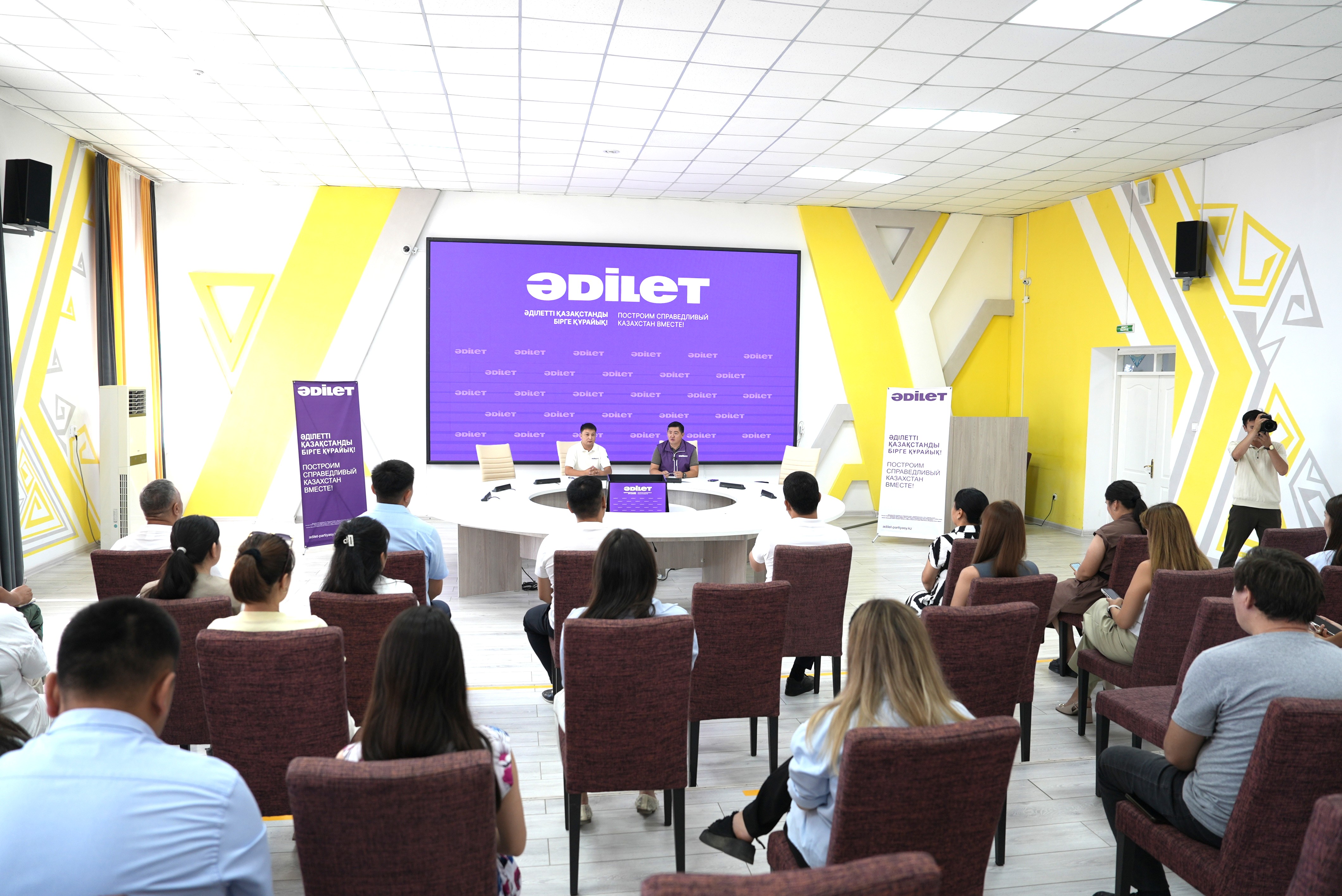
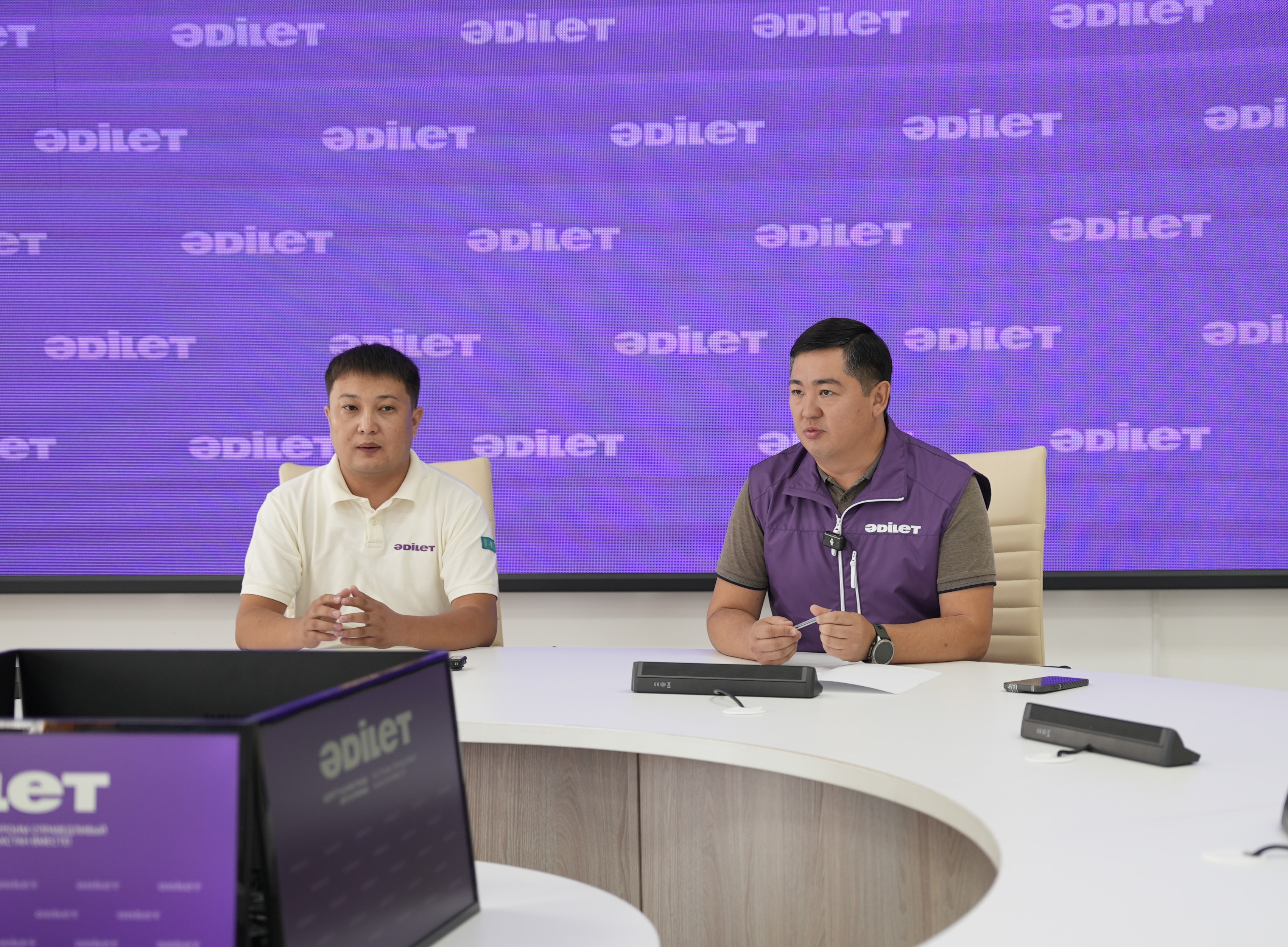
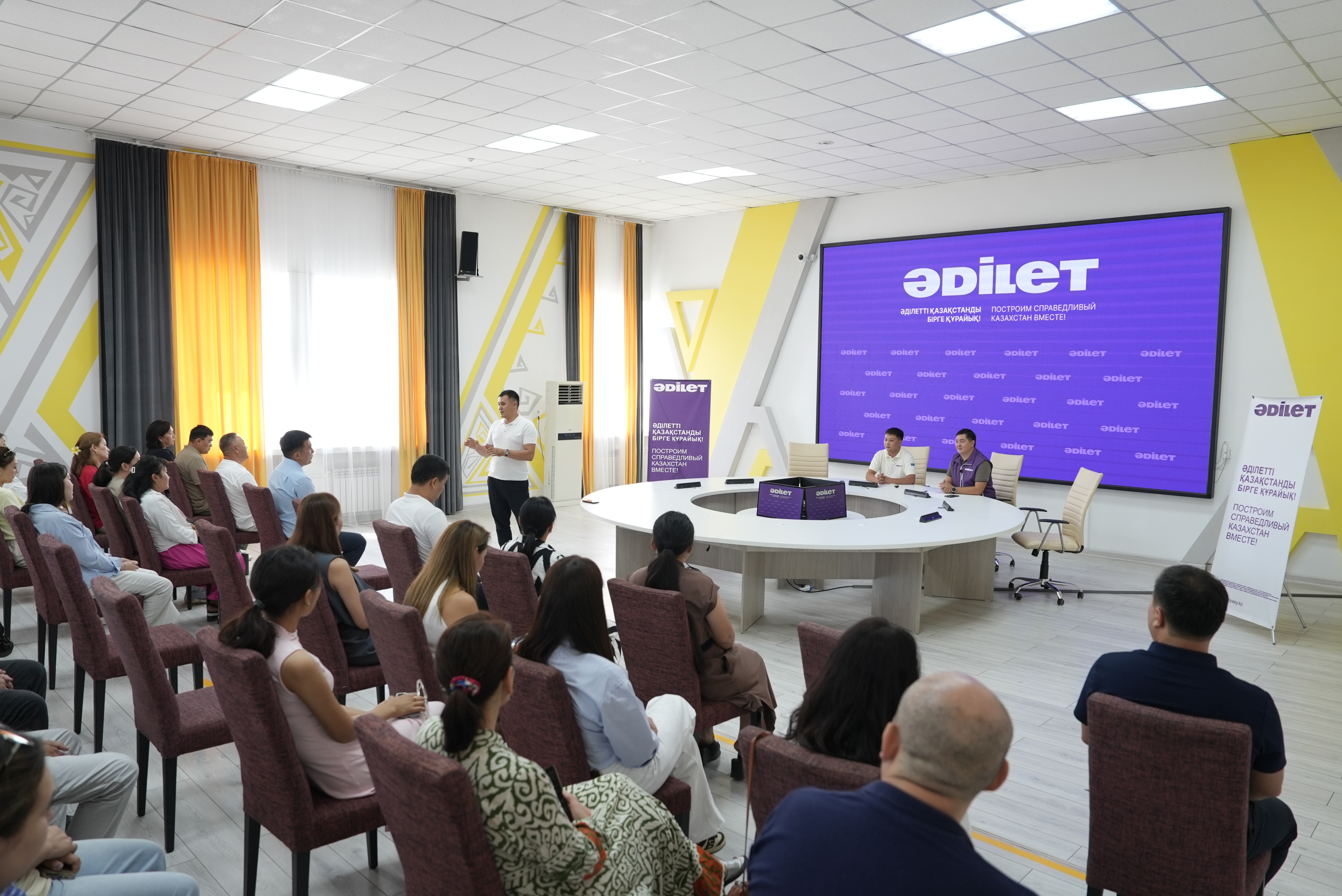
The team of Shakarim University was presented with the electoral program of the "Justice" party as part of the campaign for the election of the deputies of the Republic of Kazakhstan, and the main priorities for the upcoming period were discussed. Representatives of the election headquarters - Duman Orynbekov, rector of Shakarim University, and Yerkebulan Bolatkhanov, director of the Kamyshenka secondary school of the Borodulikha district education department of the Abay Region Education Department, spoke about the main directions included in the party's program.
The program includes seven strategic priorities for the next five years. If we stop individually:
Residential house. Tasks have been set to bring housing provision per capita up to 30 square meters, update dilapidated housing and complete problematic private construction facilities.
Health care. It is intended to increase the average life expectancy of the population to 77 years, and develop preventive medicine.
Employment. The party aims to create 1 million quality jobs with social guarantees and formal working conditions.
Economy. Issues of increasing the share of medium-sized businesses in the economy to 20 percent, reducing administrative barriers for entrepreneurs and expanding access to financing are included.
Development of villages. It is intended to increase the income of rural residents, expand the possibilities of the "Village Savings" program and increase the availability of simplified microloans.
Food and energy security. The tasks of increasing the amount of processing of products of the agro-industrial complex, maintaining the stability of oil production, developing renewable energy sources and forming the basis of nuclear energy are proposed.
The seventh direction of the program is related to the principles of strategic development of the country, increasing the efficiency of public administration and public institutions, strengthening the rule of law and forming a new social culture.
During the meeting, special attention was paid to the role of education and human capital in the country's development.
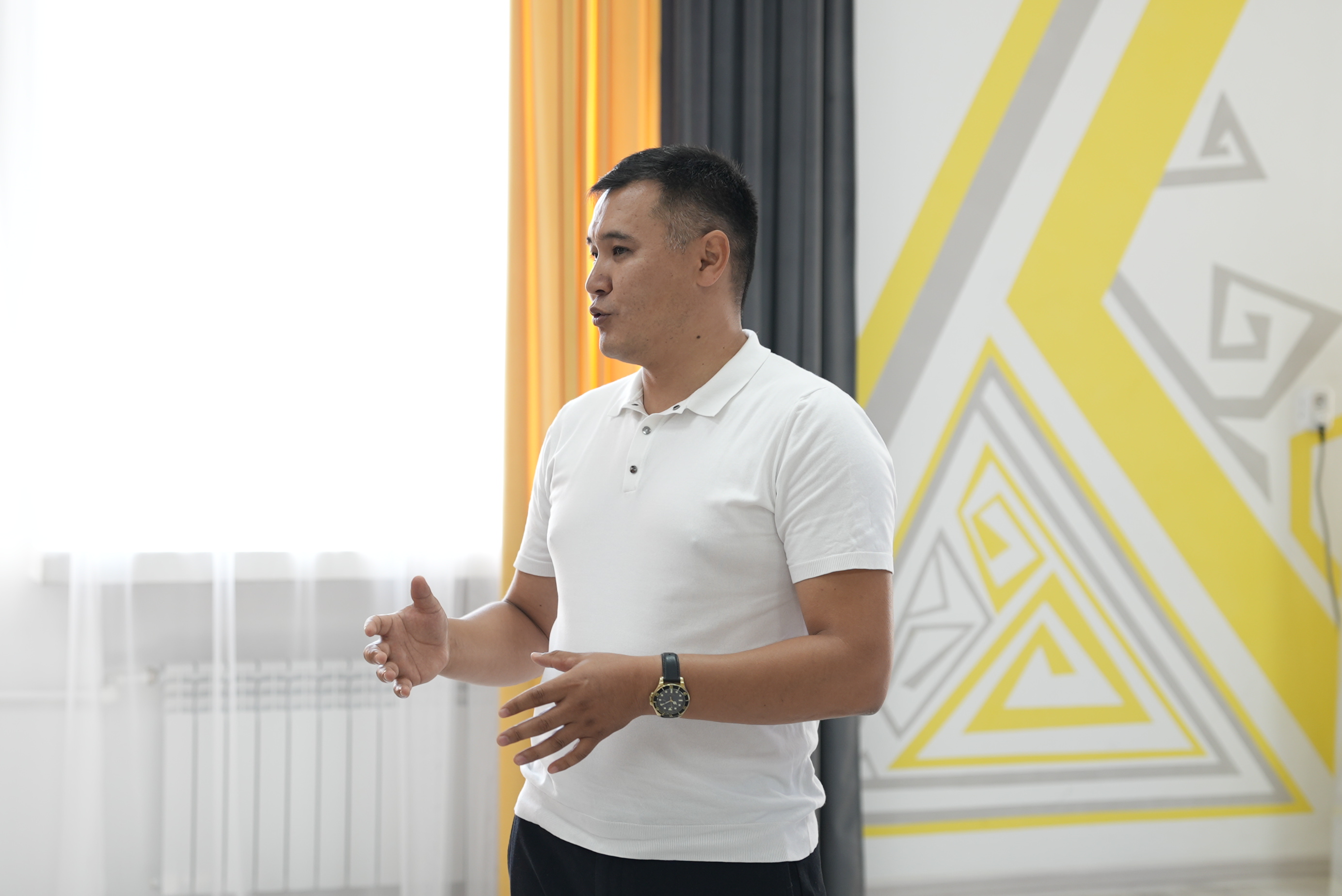
According to Duman Orynbekov, Rector of Shakarim University, the main directions of the program cannot be considered separately from each other. Because their ultimate meaning is related to the formation of human capital necessary for the sustainable development of society.
"Seven directions of the program can be considered as a coherent, unified system. At its heart is the human factor. The most important capital of any state is an educated, qualified and highly responsible citizen. After the family, the educational system has a special place in the formation of such a person.
Today, the task of the university is not only to train specialists and issue diplomas. A higher educational institution is an environment that shapes the future of the country. Therefore, issues of quality of education, scientific research, unlocking the potential of young people and formation of competences necessary for the labor market should always be in the focus," said Duman Orynbekov.
The rector also noted that the program "State that listens to the voice of the people", "Law and order" and the principles of meritocracy are also relevant for the field of education.
In his opinion, transparency and accountability contribute to the effective functioning of any organization. In particular, the transparency of decision-making processes can be increased by digitizing management and business processes. And where transparency and legal requirements are established, public trust will be strengthened.
"The principle of meritocracy should be clearly reflected in the education system. The share of young specialists in our university exceeds 50 percent. Allowing young people to grow functionally and professionally according to their professional knowledge, work and responsibility is a concrete manifestation of this principle," said the rector of the university.
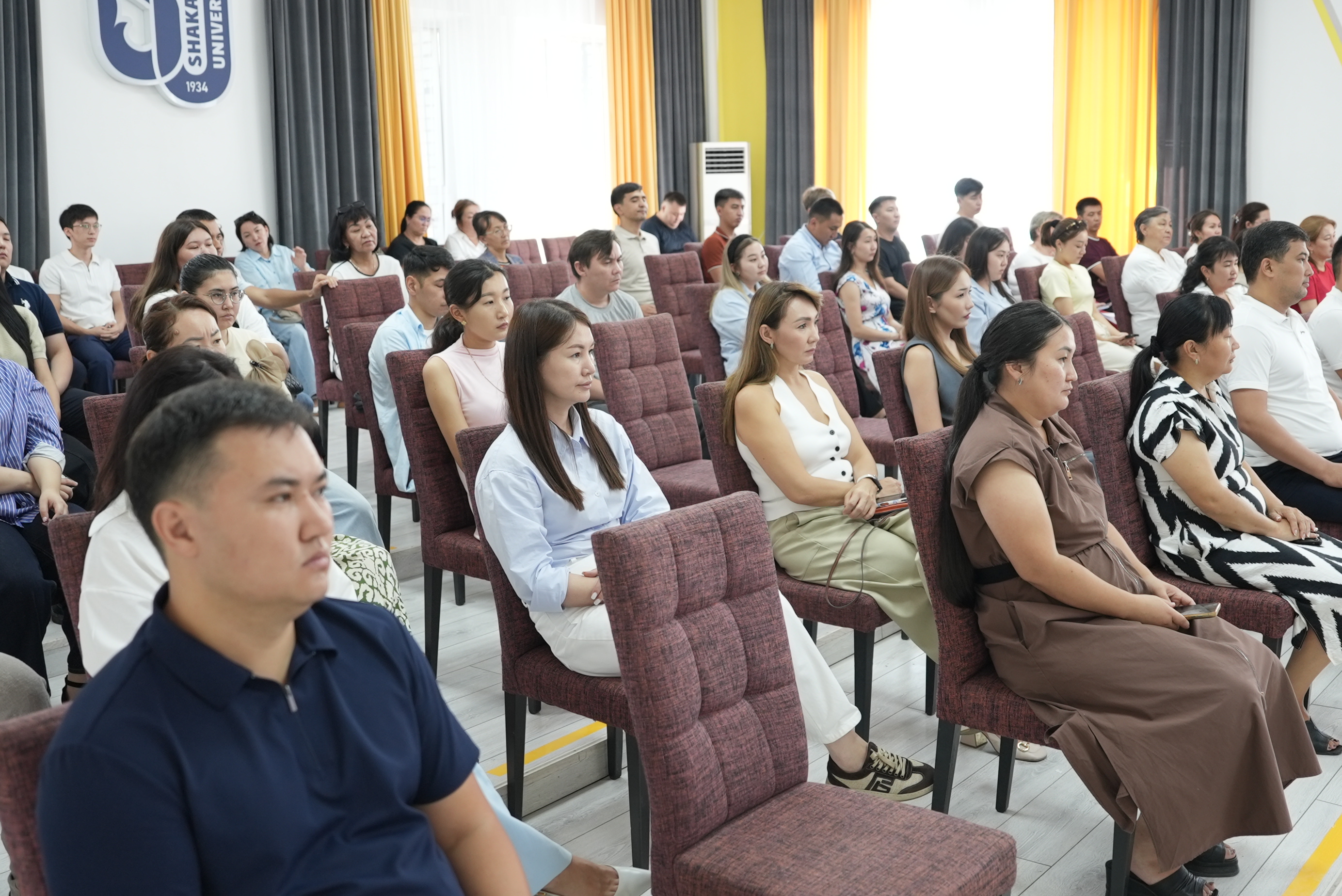
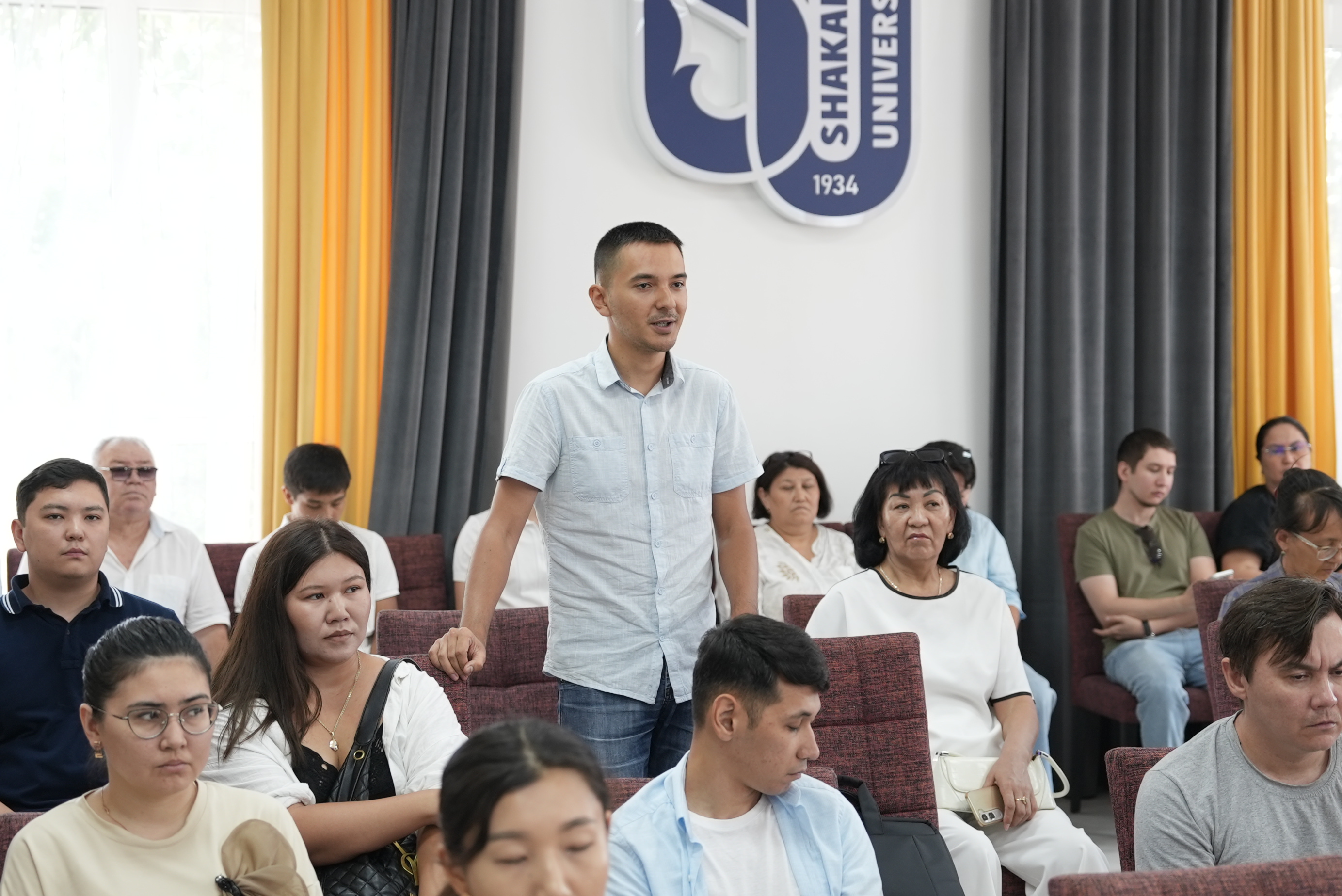
During the meeting, representatives of the university staff expressed their opinions on the issues that concerned them and presented their proposals. During the meeting held in the format of exchange of opinions, thoughts related to the issues of education, professional development of young people, employment and increasing transparency and responsibility in society were discussed.