The agro-industrial complex is developed by educated specialists
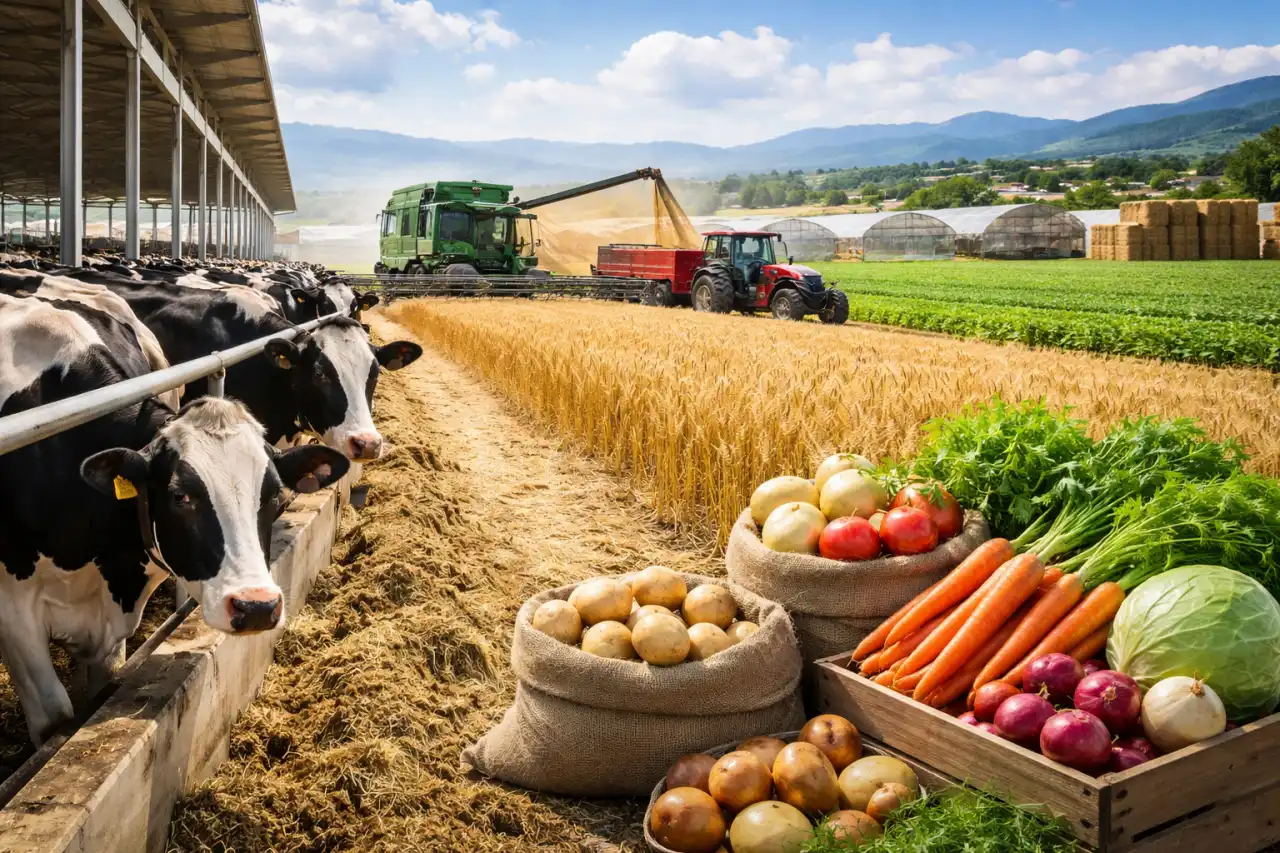
Kazakhstan's agriculture is entering a new period. This is evidenced not only by the rate of development of the country's agro-industrial complex, but also by the attention paid by international experts to the agrarian potential of Kazakhstan.
Just yesterday, the foreign publication The World Financial Review devoted a special article to the changes in the agrarian sector of Kazakhstan, highlighting the direction of the country's transformation from a state that produces agricultural raw materials into a full-fledged agro-food hub.
This is an interesting trend. Because for a long time, Kazakhstan has been recognized primarily as a country that exports grain, including wheat. Now the content of the agrarian policy has expanded, the task of in-depth processing of manufactured products, production of finished goods, creation of efficient logistics and offering competitive products to the foreign market has come to the fore.
The data provided by the publication also indicate the extent of this change. According to the results of 2025, the total agricultural output of Kazakhstan exceeded 18.2 billion dollars and increased by about 6 percent. Farmers of the country collected 25.9 million tons of grain, including 19.3 million tons of wheat. At the same time, the structure of agricultural production is gradually changing: wheat fields are decreasing, and the share of oil crops, corn and other crops is increasing.
However, today's task is not only to get abundant harvest. The most important thing is that the product is processed as deep as possible in the country and becomes a product with high added value. That is, the wealth of the Kazakh steppe should no longer be measured only by grain storage. Its true potential is in the formation of a whole chain of production of raw materials, its processing, introduction of new technology, production of finished products and presentation to the world market.
Such a large-scale task, first of all, requires a qualified specialist. The modernization of the agricultural sector depends not only on technology and investment, but also on modern education, science and new generation specialists. From this point of view, one of the leading higher educational institutions in the region - Shakarim University - training specialists in the field of agriculture becomes more important.
And the educational program "Water resources and transboundary security", which is being opened for the first time this year, is one of the important areas that arose out of the need of time. Effective use and safety of water resources is a very important factor for sustainable development of agriculture.
Today's agricultural sector needs not only a specialist who goes to the fields and produces products, but also an agronomist who knows new technologies, a technologist who controls product quality, a specialist who develops animal husbandry using modern methods, a veterinarian, and an expert who manages water resources efficiently.
That is why today's changes in the agrarian sector of Kazakhstan cannot be viewed separately from education and science.
The assessment of Kazakhstan as the future agro-food hub of Eurasia by The World Financial Review is not just an outsider's assessment of the country's potential in agriculture, but we should know that it is an indicator of the range of opportunities ahead of us.
The vastness of the Kazakh steppe is a natural advantage. And creating a powerful agro-industry that takes abundant produce from that space, processes it with quality, and puts it on the world market is a big task that requires knowledge, technology and qualified personnel.