May 31 - Day of Remembrance for Victims of Political Repression
This is the day when the people honor the fortitude of those who were and remain the conscience of the nation.
The Land of Abai became the point from which in the 20th century people rose up who wanted to see Kazakhstan free, fair, and enlightened. Alashites, representatives of the political and intellectual elite wrote, fought and dreamed here. The Land of Abai remembers their names. For them, education, national dignity and the future of the people were higher than personal destiny. They believed that the strength of a nation lies in the knowledge, dignity and enlightenment of the people. Akhmet Baitursynuly, Alikhan Bokeikhan, Mirzhakyp Dulatov, Zhusipbek Aimauytov - the greatest alarm bell of voices of that cruel time. They sought to build, to create order, to awaken consciousness.
Each of them understood: the path to freedom lies through education, culture, and inner maturity. And they walked this path, knowing how tragic the outcome could be.
The moral code “Alashtyn balasy – ultka kyzmet etui kerek” was an internal imperative, which meant living for the future, serving out of conviction, working for the nation meaning protecting its language, raising schools, defending the right to think. This phrase became a reference point for a generation that started with itself. It formed bearers of responsibility, those who believed that conscience is more important than fear, knowledge is stronger than power.
"Tiri bolsam, kazakhka kyzmet kylmay koimaimyn." ..The words of Alikhan Bokeikhan in personal correspondence became the choice of my whole life. Served the people. He worked when he was a deputy of the State Duma and continued to serve when he was unemployed. He wrote when they didn’t publish, he didn’t save himself when he could have left, he didn’t renounce when he could have avoided death. was silent when they killed. He knew the value of his position and remained faithful to it until the end of his life. He kept what he once said: while he is alive, he will serve the Kazakh. He left unbroken and a free man.
How many of them are recognized as enemies of the people? Those who were called strangers only because they thought differently, did not fit into the imposed scheme, did not agree to remain silent. For being faithful to their beliefs, they were crossed out of books, shot without trial, and forced to disappear from memory.
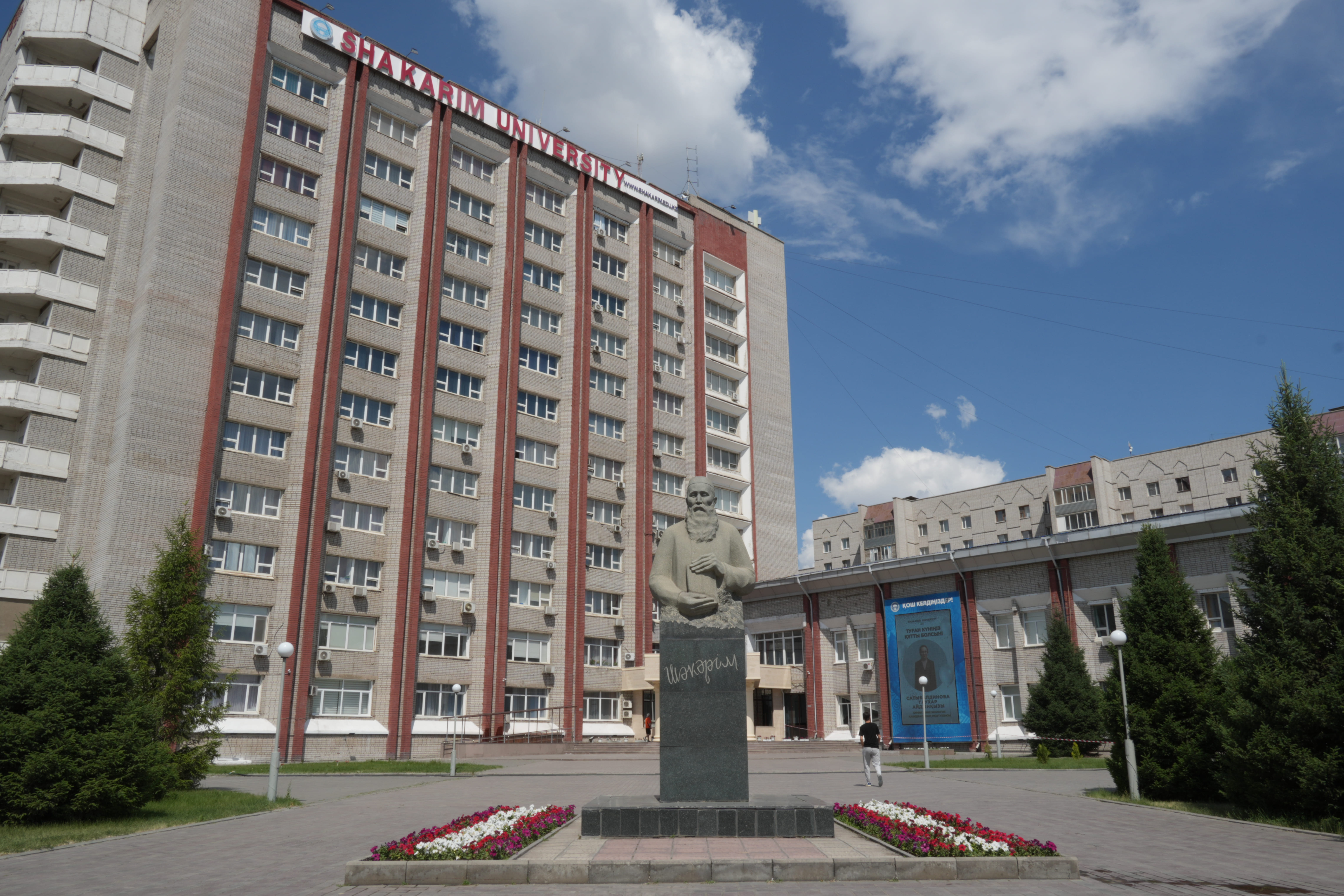
One of these names was Shәkarim Kudaiberdiuly. A student of Abai. Philosopher, poet, thinker. He did not enter into open struggle, but his dignity and inner clarity were more dangerous than any manifesto. Shakarim did not accept either destruction for the sake of a “new order” or violence in the name of the future. He chose the path of solitude, but did not give up the truth. And he was killed. No investigation, no charges.
They tried to return his name to the people more than once, but each time they resisted it out of the inertia of fear, because Shakarim spoke about what the bloody terror of that time was afraid of - about conscience, faith, culture, internal freedom.
“Ar ilimin taratkan Shakarim – zhadymyzda emes, zhanymyzda,” wrote Mukhtar Shakhanov.
And if the Alashites tried to build society through structure, then Shәkarim called for its purification through moral choice, through honesty with oneself. We admit: his path was no less decisive
The land of Abai remembers those who fought.
Today, when the country is building a new image, Abai bald was and remains a symbol of the philosophical, intellectual and political. From here rose personalities who changed the course of history. They didn’t speak loudly here, but accurately, harshly, honestly.
And today it is here that a new wave of those who think in terms of the value of memory, ethics and nation is growing. “Ulttyn tiregi - өtkenin Umytpagan keleshek,” and it is in this sense that May 31 is the day of sorrow, but more, the day of maturity of the nation.