Religious literacy is public safety
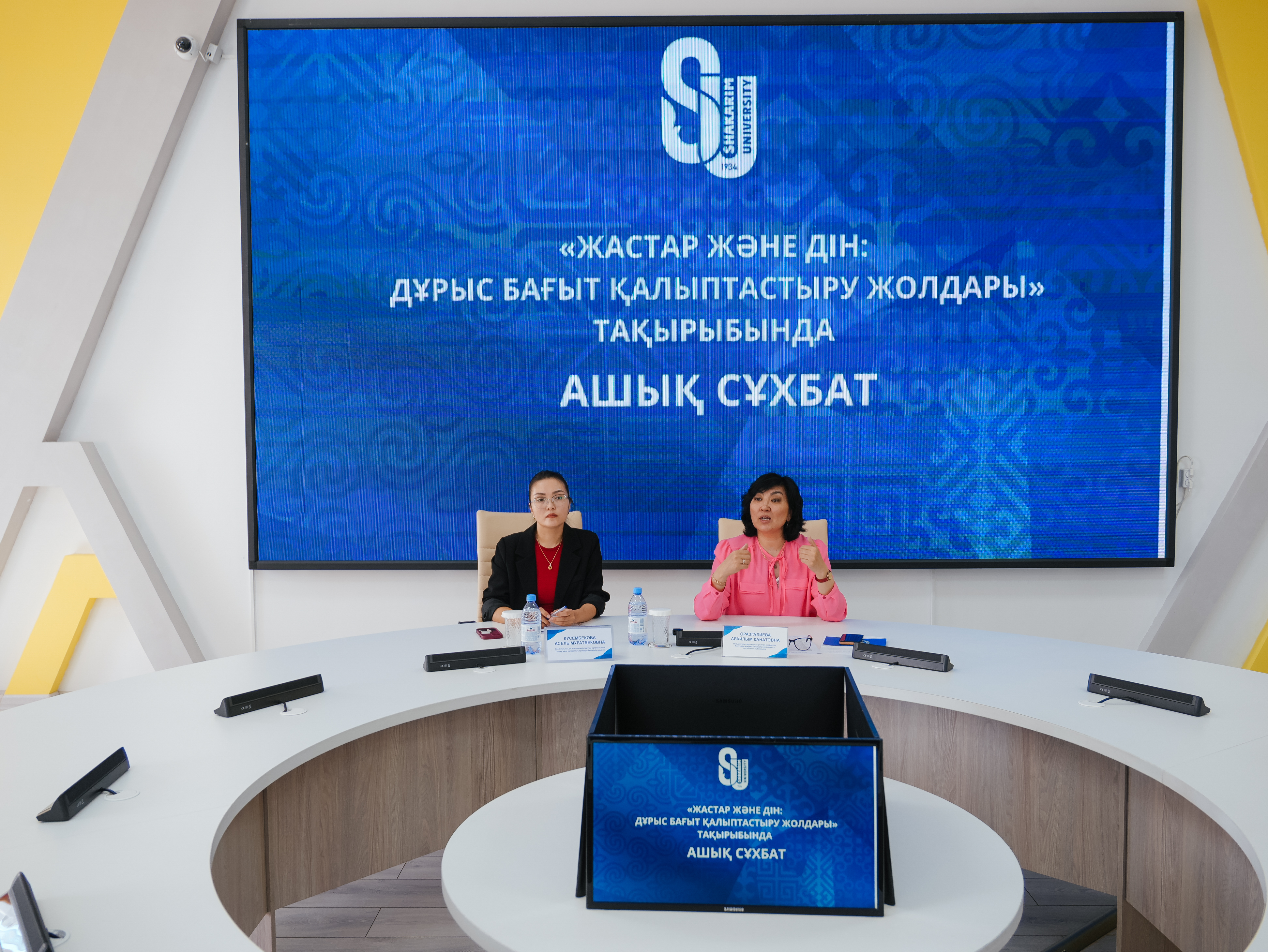
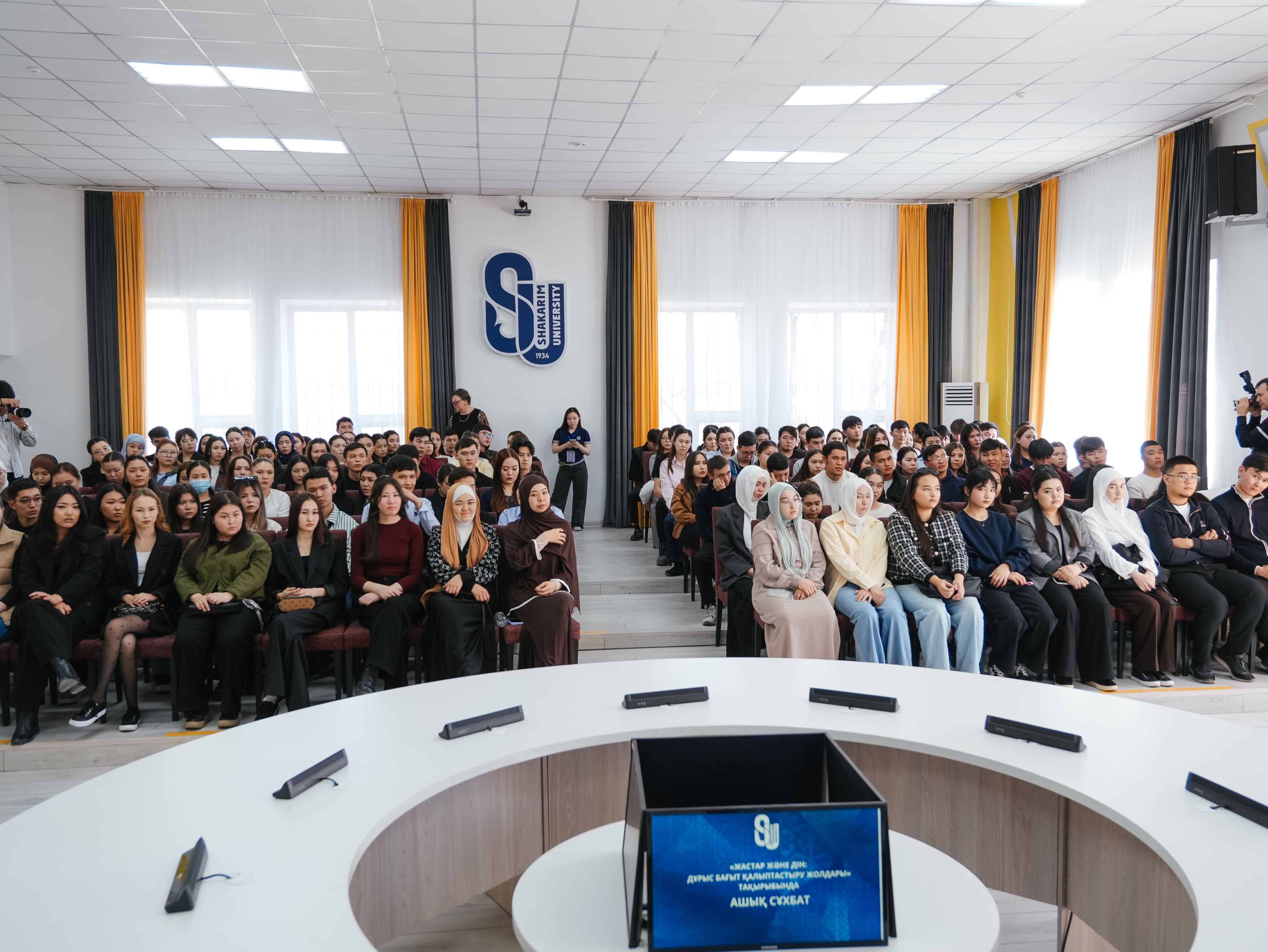
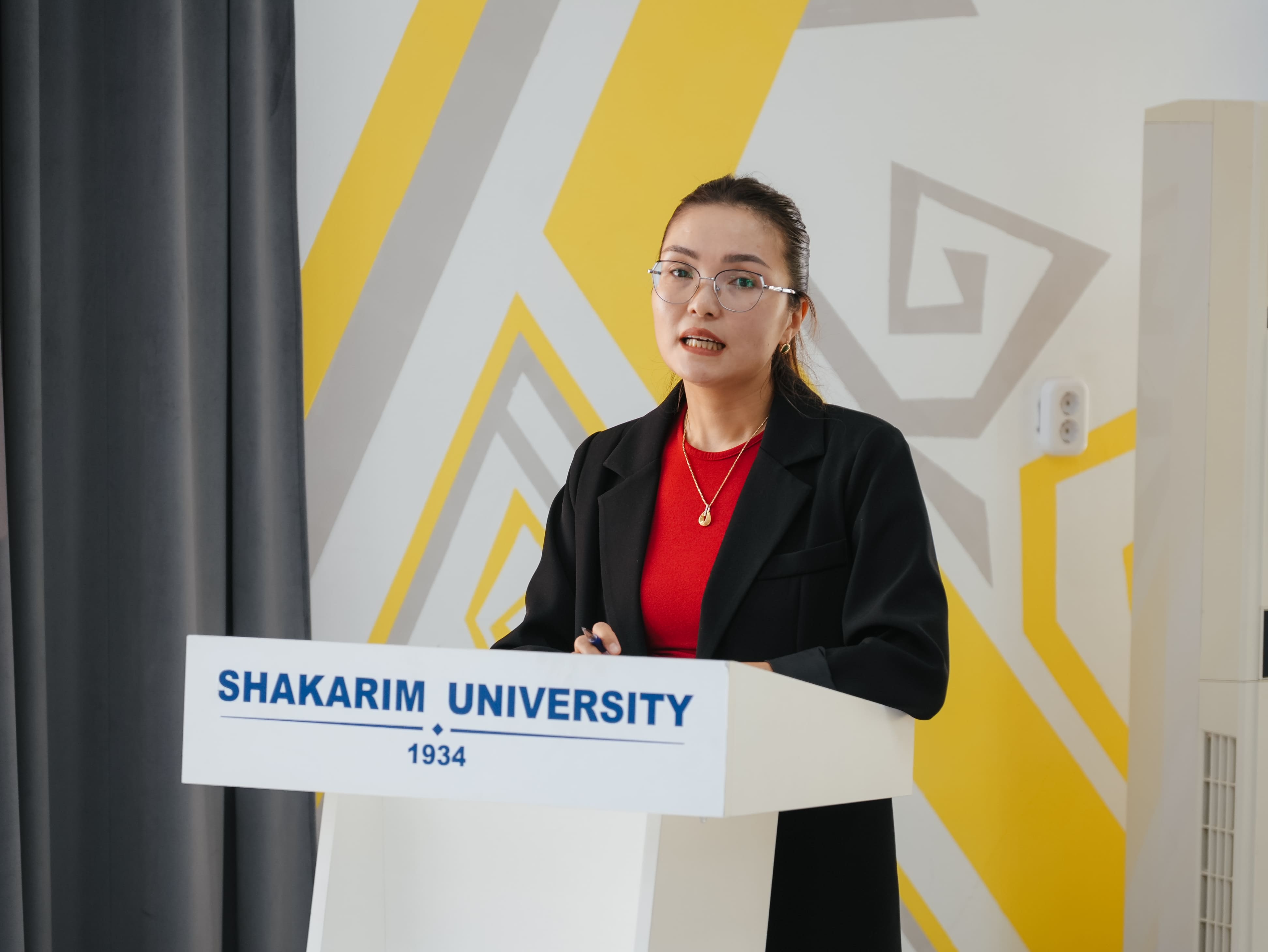
Nowadays, the spiritual and religious literacy of young people is one of the urgent problems. On this occasion, an open interview was organized at Shakarim University with Asel Kusembekova, a specialist of the Analysis and Information Interpretation Department of the Center for the Study of Religious Issues of the Abay region, on the topic "Youth and religion: ways of forming the right direction".
The main goal of the event is to increase religious literacy among young people, to promote traditional values, to prevent religious extremism and radicalism, to influence the formation of a correct worldview among young people.
First of all, the coordinator of the event, the head of the university's Center for Social Support and Development of Youth, Araylim Orazgalieva, emphasized the importance of the topic of an open interview and noted that in today's society, young people receive various information about religion through various sources of information, so prevention of false religious ideas and radical views is an urgent issue.
During the open interview, the main concepts related to religion were widely explained to the participants. In addition, despite the fact that Kazakhstan is a secular state, that is, religion and the state are separated, the importance of spiritual values in society was not overlooked.
At the meeting, it was emphasized that the Islamic religion does not contradict science and education, national traditions, as well as various directions of art. This was one of the important explanations aimed at forming a correct and broad view of religion among young people.
Also, one of the current issues - the issue of religious information on the Internet - was touched upon. Experts urged young people not to fall under the influence of questionable preachers on the Internet, but to rely only on official and reliable sources. Specific examples of the negative impact of banned religious movements and radical views on society were also given.
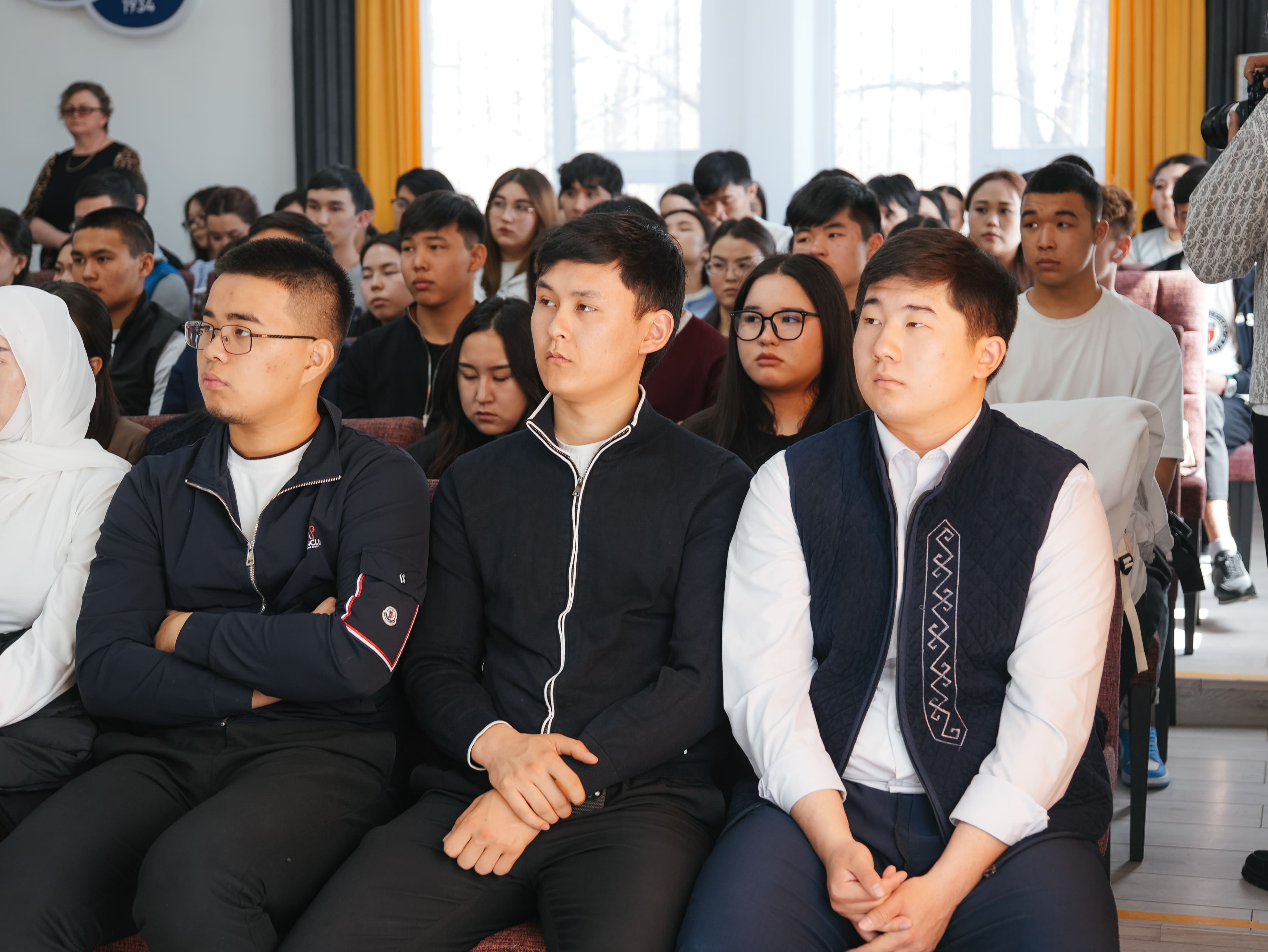
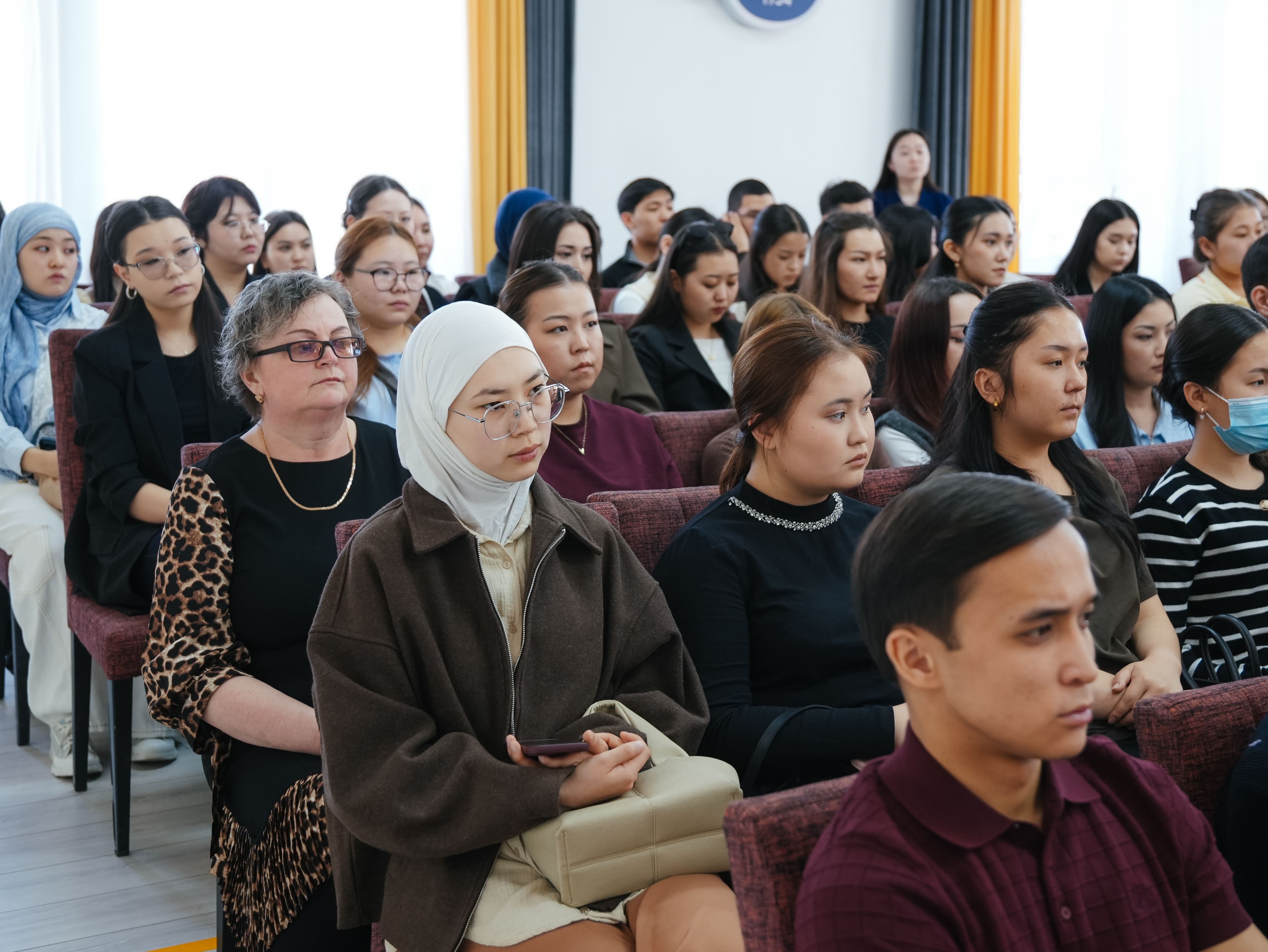
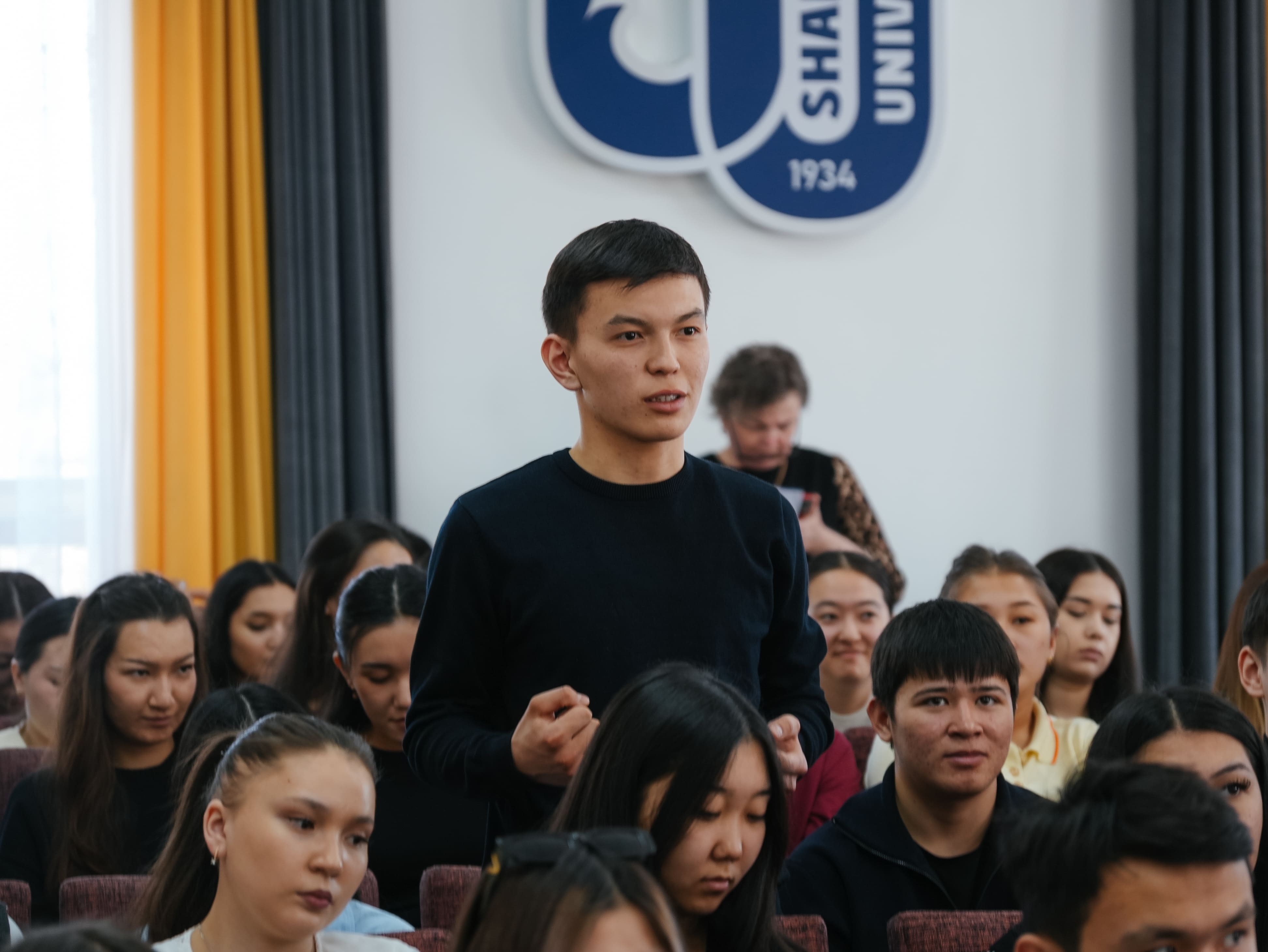
During the interview held in an open format, students asked the questions they were worried about and received sharp answers. Such meetings allow young people to develop their ability to think critically, increase their religious literacy and strengthen their spiritual stability.